
The Techno Evolution in K-Pop: How Girl Groups Are Shifting Their Sound
K-pop has long been recognized for its catchy melodies and chic visuals, but recent changes in musical direction signal an exciting new era. As girl groups pivot away from the traditional cutesy aesthetics, they are embracing harder, faster sounds—particularly techno. The growing trend reflects a broader evolution within the genre, responding to both audience preferences and the latest innovations in music consumption, particularly through short-form video platforms.
A New Sound for ILLIT
One of the most striking examples of this transformation is girl group ILLIT, whose recent release, “It’s Me,” has taken the K-pop scene by storm. Released on April 30, the track marks a bold departure from their previous style, characterized by softer melodies as heard in songs like “Magnetic” and “Cherish (My Love).” The shift to aggressive beats and dynamic choreography has been met with enthusiasm and positivity from fans and critics alike.
This evolution is further reflected in ILLIT’s fourth EP, “Mamillapinatapai,” which climbed to No. 26 on the U.S. Billboard 200 albums chart shortly after release. Domestically, “It’s Me” secured a spot as third on Melon’s Top 100 chart and sixth on Genie Music’s Top 200. Such achievements underline the appetite for more dynamic and high-energy content in K-pop.
IVE’s Club Aesthetic
Girl group IVE is also redefining its musical identity with tracks like “Bang Bang.” Featuring unmistakable techno influences—especially the four-on-the-floor kick drum patterns commonly found in club music—the song serves as yet another indication of the genre’s shift. Since its launch in late February, “Bang Bang” has maintained a strong presence in Melon’s Top 10 charts and ranked seventh on May 16.
Previously celebrated for melody-driven hits, IVE’s move toward an international club sound demonstrates an awareness of the evolving musical landscape and diaspora of K-pop audiences around the globe.
The Influence of Blackpink
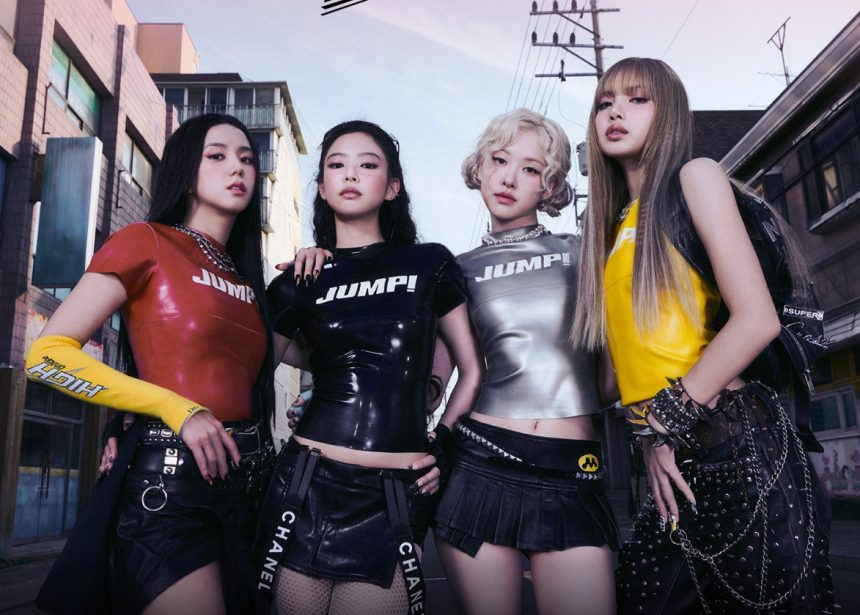
While many groups are exploring these new sonic territories, Blackpink remains a pivotal influence in the resurgence of techno within K-pop. The girl group achieved remarkable success with their single “Jump,” released in 2025, which prominently featured rapid kick drums, catchy synth hooks, and the addictive chant of “jump.” This track not only topped Spotify’s global weekly chart but also made history by being the first K-pop group to reach the summit of Billboard’s Global Chart.
The techno-driven trend draws heavily from the hard-edged sounds popularized in European cities, particularly Berlin. Characterized by fast tempos and sharp electronic intricacies, this genre resonates well with K-pop’s dynamic and visual storytelling.
Techno’s Place in K-Pop History
Interestingly, techno is not new to the Korean music scene. Over two decades ago, artists like Clon and Lee Jung-hyun experimented with electronic influences, albeit under a more generalized definition of the term “techno.” Back then, it was often seen as a blend of dance-pop or Eurodance rather than the pure electronic sound that defines contemporary techno.
Today, the genre’s distinctly electronic aesthetic aligns seamlessly with the bold and stylized images crafted by many K-pop girl groups. While many acts in the 2020s leaned towards hip-hop or house, the recent techno resurgence suggests a desire for more avant-garde sounds that captivate audiences.
The Future of K-Pop and Techno
Critics are weighing in on this exciting shift, recognizing that K-pop has always thrived on maintaining relevance in the ever-changing landscape of music. As highlighted by music critic Lee Dae-hwa, there’s a keen interest in underground genres, particularly from European techno scenes. This mirrors a growing trend of embracing dark, chic atmospheres that fit the edgy branding many K-pop girl groups are now aiming for.
Additionally, experts perceive this shift in sound as a response to changes in how music is consumed. With audiences spending less time listening and more time engaged with multimedia experiences—including short-form videos—the fast-paced, repetitive structure of techno fits perfectly into this paradigm. The simpler choreography associated with techno tracks also lends itself well to engaging visuals, making it a smart choice for marketing in today’s digital age.
As K-pop continues to evolve and embrace new genres, the increasing influence of techno marks an exciting chapter full of bold experimentation and artistic growth, reimagining how music intersects with visual storytelling and audience engagement.



