The Pulse of Techno: Movement Festival in Detroit
There’s nothing quite like listening to techno in its hometown. On May 25, Detroiters and global techno lovers alike gathered to celebrate the legacy of this vibrant electronic genre at the Movement Festival, hosted in downtown Detroit’s iconic Hart Plaza. This event marks not just a celebration of sound, but also a tribute to the city that birthed the genre.
A Legacy of Beat: The History of Movement Festival
Movement Festival originally launched as the Detroit Electronic Music Festival (DEMF) in 2000, aimed at bringing together musicians, fans, and industry icons under one roof—albeit one located in the open air of Hart Plaza. Now in its 20th year, the festival represents a significant evolution from its inception. What started as a modest gathering has transformed into a sprawling celebration of all things electronic. In recent years, it has drawn countless visitors from around the globe, proving its status as the beating heart of Detroit’s cultural landscape.
A Star-Studded Lineup
Each year, Movement Festival showcases a lineup that promises to delight even the most discerning fans. Founding artists like Kevin Saunderson, often hailed as one of the godfathers of techno, took to the stage alongside longtime musical pioneers such as Stacey Hotwaxx Hale. The festival also featured emerging global talents like Nia Archives and Boys Noize, illustrating both the genre’s rich heritage and its promising future.
The festival isn’t just about the main stage acts. The city itself comes alive, bursting at the seams with parties spread across various venues. Events like the perennial favorite, Return To The Source at Tangent Gallery, and Theo Parrish’s party at Lincoln Factory, which featured Detroit mainstay Delano Smith, create a rich tapestry of experiences that complement the main event.
A Cultural Exchange
As much as it’s a celebration of rhythm and beats, Movement Festival acts as a cultural exchange. The FADER spoke with Detroit legends and visiting artists to explore the festival’s profound significance. For many, it’s an opportunity to connect, to share stories and ideas about the evolution of techno music. It fosters a sense of community where both newcomers and longtime aficionados feel welcomed.
A focus on education and the legacy of Detroit techno permeates the festival’s fabric. Workshops, panel discussions, and artist meet-and-greets create a dialogue about the challenges and triumphs of artists in the electronic music scene. It’s an opportunity not just to dance but to learn about the roots of this influential genre.
Looking Ahead: The Future of Electronic Music
What does the future hold for electronic music, particularly for a genre so intricately tied to its birthplace? During interviews at Movement, many artists expressed excitement about the genre’s ongoing evolution. More artists are experimenting with cross-genre collaborations, bringing jazz, hip-hop, and even classical influences into their techno sounds.
As technology continues to advance, so too does the music. With the rise of AI-generated content and emerging digital platforms, the way we experience music is changing rapidly. This creates both opportunities and challenges for established artists and newcomers alike, setting the stage for a thrilling next chapter in electronic music.
The Heartbeat of Detroit
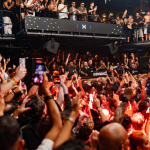
The impact of Movement Festival extends beyond just music; it encapsulates the essence of Detroit itself. The city is often seen as a symbol of resilience and innovation, and that spirit is palpable throughout the festival. From the hustle of the crowds to the thumping bass reverberating through the plaza, the energy is electrifying.
In the heart of Detroit, the Movement Festival serves not only as a celebration of the past but also as a beacon of hope for the future. It’s an event that encapsulates the ethos of a city that has been shaped by sound—where the beats of techno continue to inspire generations and reverberate worldwide.