
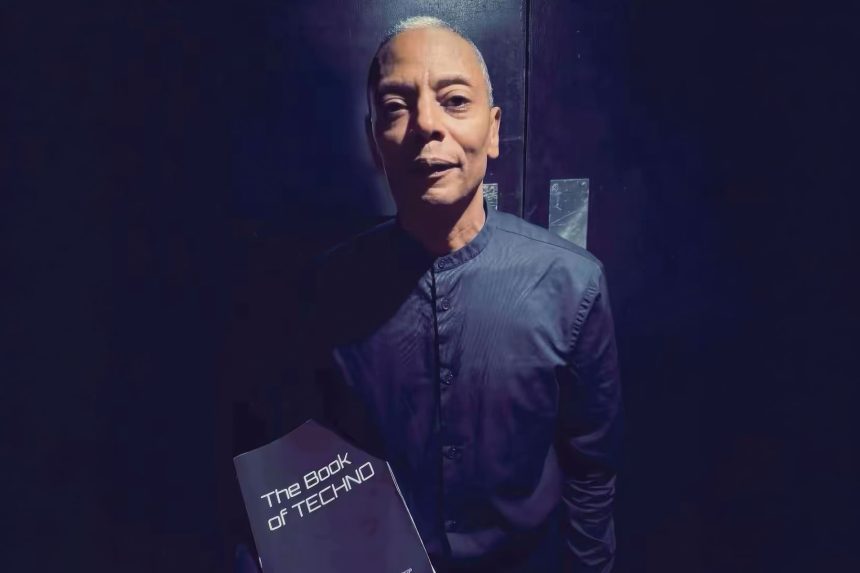
The Paperback Traces the Genre’s History from the Late 1960s to 2025
Overview of ‘The Book of Techno’
Mark Petes-Varga has unveiled an insightful exploration of techno culture with his newly published paperback, ‘The Book of Techno,’ now available on Amazon. Petes-Varga’s work serves as a comprehensive historical overview, tracing the evolution of techno from its foundational influences in the late 1960s up to its current status in 2025. This ambitious project highlights the genre’s rich tapestry, detailing its transformative journey from localized sounds to a global phenomenon.
Foundations in the Late 1960s
The roots of techno can be traced back to the late 1960s, a period that marked significant musical experimentation. Artists like Kraftwerk and Miles Davis were pushing the boundaries of sound and rhythm, setting the stage for the genre’s emergence. Petes-Varga underscores how early electronic music laid the groundwork for what would later evolve into techno. This initial exploration into synthesized sounds cultivated a burgeoning community of artists and producers who were eager to innovate.
The Birth of Techno in Detroit
A pivotal moment in the history of techno occurred in Detroit during the 1980s, a melting pot of musical influences. Here, pioneers such as Juan Atkins, often hailed as the “Godfather of Techno,” played a crucial role in shaping the sound. Petes-Varga intricately details the dynamics that allowed Detroit to become a hotspot for electronic music, examining the social and economic backdrop that influenced its unique soundscape. The emergence of the “Belleville Three”—Atkins, Derrick May, and Kevin Saunderson—is explored in-depth, showcasing how their individual contributions helped solidify the genre’s identity.
Expansion into Global Movement
As techno began to resonate beyond Detroit, it swiftly expanded to attract global audiences. Petes-Varga delves into the British rave culture of the late 1980s and 1990s, spotlighting how this movement further popularized the genre. Rave parties became synonymous with freedom and expression, allowing techno to permeate mainstream culture. The author examines the evolution of British techno, discussing key figures and events that played instrumental roles in its rise.
The Influence of Berlin Techno
Moving beyond the UK, Berlin emerged as a critical center for techno in the 1990s, a cultural hub that embraced the genre with open arms. Petes-Varga’s narrative captures the essence of Berlin’s underground scene, highlighting iconic venues such as Berghain and Sisyphos. He expertly discusses how Berlin’s unique environment fostered a sense of community among artists and fans alike, allowing for creative collaborations and experimentation that defined a new era in techno music.
Key International Events
The global spread of techno can also be significantly attributed to major international events. Petes-Varga dedicates substantial sections of the book to occurrences such as Awakenings and Amsterdam Dance Event (ADE). These festivals not only showcase emerging talent but also serve as networking platforms for established and budding artists. The author provides insights into their organizational structures, line-ups, and how they reflect the evolution of techno as a constantly adapting genre.
Spotlight on Influential Artists
‘The Book of Techno’ doesn’t just skim the surface; it dives deep into the contributions of key artists shaping the landscape. Besides detailing figures like Richie Hawtin and Oscar Mulero, Petes-Varga provides context regarding their stylistic evolutions and impacts on the genre at large. The book features personal anecdotes and critical analyses of their music, enhancing our understanding of the dynamics within techno culture.
Addressing Misconceptions about Techno
One of the central themes of Petes-Varga’s work is the desire to dispel common misconceptions that surround techno music. He critically engages with stereotypes and misunderstandings that may alienate newcomers or reduce the genre’s complexity. Through thorough research and a narrative approach, he seeks to provide a more nuanced perspective that highlights the depth and diversity of techno’s sound and culture.
Accessibility and Purpose
Order your copy of ‘The Book of Techno’ here. Petes-Varga’s engaging writing style makes ‘The Book of Techno’ an accessible read for both long-time fans of the genre and newcomers alike. With its vivid storytelling and comprehensive analysis, this book is poised to enrich the reader’s understanding of techno culture while celebrating its vibrant history.



