
As part of a collaboration with Amsterdam Dance Event (ADE) in anticipation of this year’s edition from October 21st to 25th, SceneNoise is thrilled to present CROSSFADE – a five-part editorial series that delves into the histories, challenges, and evolving identities of electronic music across the MENA region. This exploration highlights the influential figures who have shaped each local scene.
The first in this exciting series focuses on Egypt, a cultural powerhouse in the region. Here, experimental and grassroots movements in electronic music are evolving alongside an increasing number of large-scale international events, showcasing the country’s dynamic music landscape.
In the past decade, Egypt’s electronic music scene has transformed dramatically, reshaping the very fabric of its nightlife and cultural identity. Once relegated to niche circles and sporadic underground gigs, it has emerged as a vibrant ecosystem that juxtaposes internationally recognized festivals with intimate underground gatherings. From beach clubs along the North Coast to destination parties at the majestic Pyramids, Egypt stands as a captivating destination for music fans and artists alike.
At one end of the spectrum, large-scale events elevate Egypt to a status among the most exciting electronic music hubs in the region, attracting heavyweight DJs, renowned labels, and celebrated party concepts. Iconic locations, including the Pyramids, have hosted leading figures like Solomun, Black Coffee, and Adriatique. Festivals such as Sandbox have positioned Egypt as a centerpiece of electronic music tourism, while an expanding network of cultural venues integrates dance music into the nightlife experience.
However, beneath these glitzy events lies another narrative, built on community and shared experiences. A tapestry of independent collectives and promoters has emerged, dedicated to nurturing house, techno, minimal, electro, bass music, and experimental sounds. For many, this scene is not merely about entertainment; it serves as a vital space for expression and connection.
DJ, producer, and promoter Ramez describes electronic music in Egypt as a “counterculture,” noting that it resonates deeply with those seeking a refuge from the mainstream. “Electronic music has always been a form of protest,” says Ramez, emphasizing its role in offering a safe space for diverse voices and expressions in a society where traditional norms often dominate.
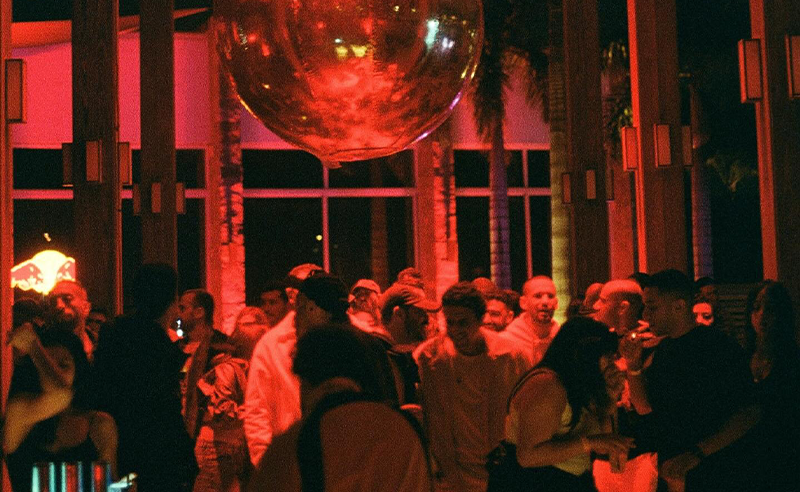
This coexistence of large-scale and intimate events is a hallmark of Egypt’s electronic music growth. The culture has flourished not around a single genre or venue but as a multifaceted ecosystem where commercial and underground scenes feed into one another. Over the past decade, the focus of nightlife has gradually shifted from commercial headliners and hotel rooftops dominated by radio-friendly hits to a flourishing underground culture.
A decade ago, prominent figures like David Guetta performing at shopping malls signified milestones; however, beneath the surface lay a treasure trove of talent and community waiting to blossom. Veteran DJ Aly B reminisces about a time when music was a collective experience rather than algorithm-driven. Rediscovering music meant scouring record stores and waiting for friends to return from abroad with hidden gems. The fan culture was built on shared experiences and meticulous curation.
“The whole world of clubs and dance floors felt pretty alien to me,” Aly B shares. “I only became interested in the dancefloor when I started hearing music that resonated with the emotion I found in the bands I loved.” His journey into electronic music aligns with a pivotal period defined by scenes like Nacelle’s House Sessions, which played a crucial role in cultivating the underground movement.
Ramez points out that Nacelle “led the way,” enabling a deep appreciation for music and curating experiences away from mainstream trends. For Aly B, it represented a fertile ground for artistic growth alongside like-minded individuals who valued sound quality and were willing to take risks.
-8075b01a-ee76-4609-853e-afc5fcbd0c8e.png "CROSSFADE: Egypt Presented at Amsterdam Dance Event by SceneNoise 13")
This ethos transformed how audiences engaged with music, shifting the focus from recognizable names to a commitment to discovery. Collectives like Nacelle and VENT fostered a culture of trust, where attendees would show up merely encouraged by the curation of the event rather than the specific artists performing.
DJ Zeina reflects on how passionate promoters have influenced the sound and vibrance of Cairo’s electronic scene. “VENT was ahead of its time, exposing us to electronic sounds long before they became mainstream.” Younger collectives like Jelly Zone and Dhamma now carry that legacy forward, introducing fresh sounds to eager audiences.
As a growing array of promoters and independent concepts emerge across Cairo, the narrative of music discovery is ingrained into the hearts of the audience, further uniting them with artists and the sounds created. Over the years, exposure to diverse genres has guided listeners toward appreciating not just who is on stage, but what they bring to the dancefloor—from melodic house to deep tech.
Ramez suggests that this openness is a hallmark of the local scene. “The beauty of our isolation is that it drove us to excel—we weren’t taking our opportunities for granted.” Tito El Khachab also speaks to the generosity and eagerness within the community, highlighting their drive for innovation and authentic regional sounds integrated into productions.
Today, Egyptian DJs and producers not only break ground in their own country but increasingly make strides internationally. Local collectives now shape their identity on an international stage, rather than conforming to existing trends.
-90fa268e-0816-4ab3-9796-fce8f29931e7.png "CROSSFADE: Egypt Presented at Amsterdam Dance Event by SceneNoise 14") (Pictured Tito El Kachab alongside Jess and Aly Goede)
(Pictured Tito El Kachab alongside Jess and Aly Goede)
As the scene grows, the importance of fostering local talent remains crucial. Mahmoud Zidan from KORD Agency recalls a time when trance music took the Egyptian scene by storm with iconic events like Sounds of Future. While trance nurtured a vibrant following, the landscape today embraces a broader spectrum of genres, thanks to a new generation of producers and audiences that are eager to explore.
International recognition has intertwined itself with local culture, creating a rich tapestry where the distinct sounds of Egypt meet global trends. Festivals at historical sites like the Pyramids have propelled Egypt onto the global electronic music stage, while growing attention from international audiences has only elevated its cultural identity.
As we look to the future of Egypt’s electronic music scene, the question shifts to sustainability and growth. Identifying potential points of expansion poses a challenge and an opportunity for the community.
To many in the industry, the core challenge lies not in the talent or the audience but significantly in the infrastructure. The past two decades have seen Egypt cultivate internationally recognized artists and festivals, yet the venues needed for continuity and consistency in performance opportunities remain limited.
“A thriving culture requires more than just seasonal festivals or one-off events,” notes Ahmed Ganzoury, pointing to the lack of sustained opportunities for artists throughout the year. He emphasizes that nurturing a vibrant artist community calls for spaces that are conducive to year-round musical exploration and growth.
Egypt’s electronic music scene has thrived through creativity and adaptability, yet maintaining this momentum relies on establishing permanent venues and addressing logistical challenges therein. Local promoters seek greater stability, clarity in licensing, and better sound systems that will elevate the quality of live performances.
Events organized in Egypt can be met with a labyrinth of permits and approvals. “For independent promoters who work on tight budgets, navigating these regulatory frameworks can be a considerable hurdle,” says Misty, a DJ and owner of Love Attack Records. The disparity between grand-scale events supported by tourism and the underground collectives remains a barrier to equitable growth in the scene.
Yet amidst these struggling conditions, artist-led initiatives are rising to fill the gaps. Spaces that provide mentorship and education, such as Groovin’ Hub, encourage young creatives to flourish. “We need environments where artists can develop, share experiences, and seek knowledge,” emphasizes Aly B.
Educational opportunities form the backbone of sustainability in Egypt’s electronic music landscape. Artists are increasingly turning inward for inspiration rather than seeking external validation. The richness of local sounds translates into unique musical experiences that reflect a genuine engagement with diverse influences.
-9789d0c6-0b3c-40d4-b920-bd790fc0e42e.png "CROSSFADE: Egypt Presented at Amsterdam Dance Event by SceneNoise 15")
Despite the challenges posed by rising costs, the creativity within Egypt’s artistic community remains unyielding. Aroussi posits that the real barrier lies in accessibility, not in talent. “Pressure spurs great art,” he states, emphasizing that nurturing awareness and discovery around local sounds is essential.
With many young listeners encountering electronic music through social media platforms, understanding of the genre can feel shallow and lacking depth. As Aroussi asserts, “Promoters must prioritize elevating local talents to help cultivate a thriving community rather than relying solely on big names.”
This sentiment highlights a pivotal narrative: Egypt’s electronic music scene has successfully garnered international attention. Now, the focus shifts to building a nurturing environment that supports the artists driving this cultural moment.
For that to happen, investment in year-round programming and infrastructure becomes essential. It is about developing permanent venues that enhance the listening experience through quality sound systems, supporting artists in their growth, and creating educational initiatives that boost cultural appreciation. Additionally, collaborative dialogue between policymakers and local promoters is essential to address the needs of the grassroots scene.
As Egypt’s electronic music culture progresses, it possesses all necessary elements for sustained success, from vibrant festivals to enthusiastic audiences eager for innovative experiences. What remains paramount is the establishment of a supportive ecosystem echoing the region’s creative ambitions.
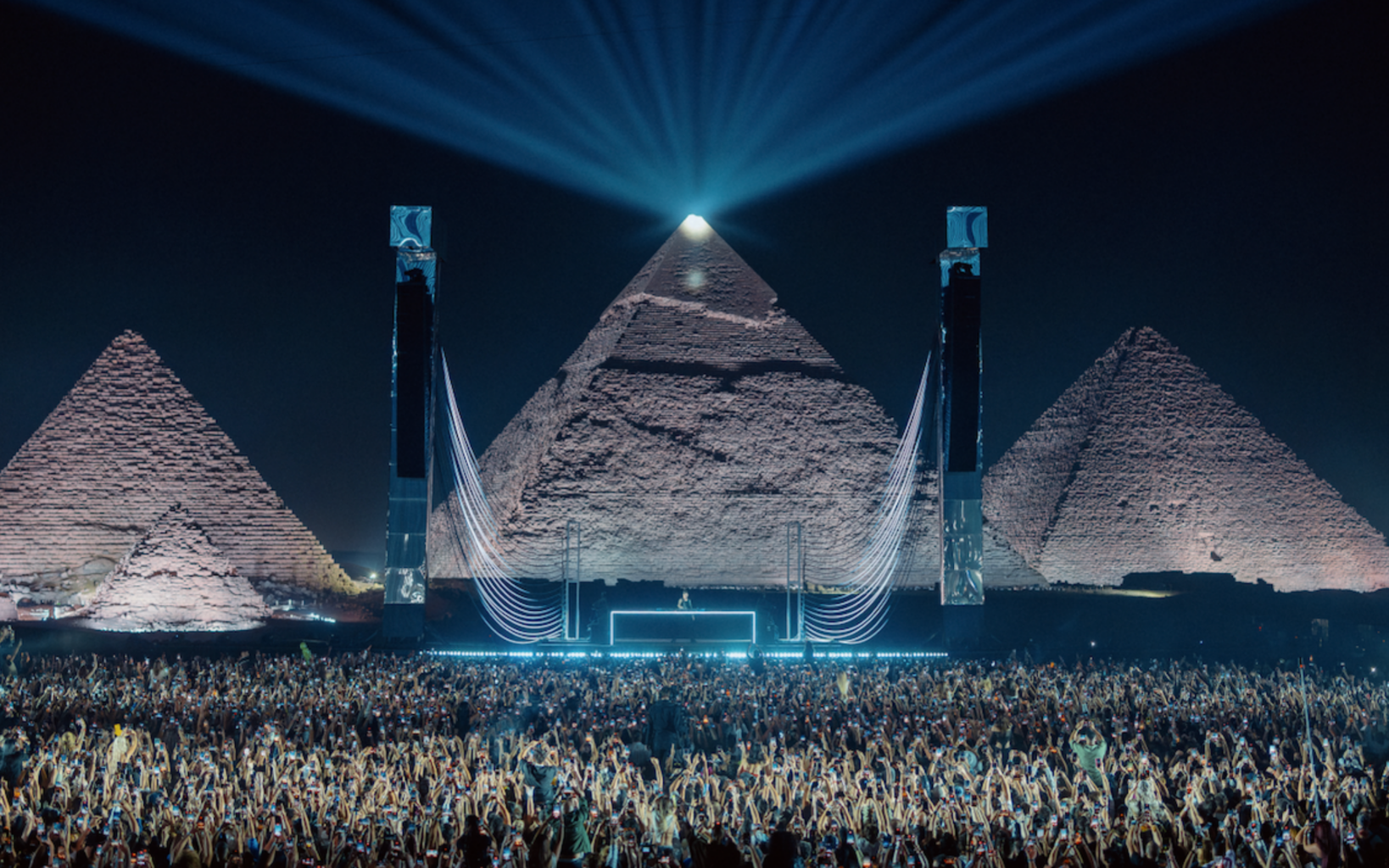 Image by Nicko Guihal
Through resilience and creativity, Egyptian artists and patrons have birthed one of the Arab world’s most dynamic electronic music ecosystems, often without the backing of robust infrastructure. The question now becomes: how can this ecosystem evolve to ensure the long-term vibrancy of its cultural scene?
Tito El Kachab, founder of Nacelle and Sandbox Festival, remains optimistic about the future. “Egypt and the region offer immense potential for defining new global sounds and cultivating a unique electronic music identity.” A sentiment echoed by many: against the odds, Egypt’s electronic music culture thrives, continually showcasing its depth and ingenuity.
It is evident that while festivals create spectacular moments, it is the fostering of communities that leads to lasting movements. The cultivation of spaces, initiatives, and individuals behind this burgeoning scene will ultimately define its future.