The Unraveling Tapestry of Underground Dance Pop: Hyperclash and Its Kin
What do we name the vibrant, chaotic, and often ephemeral sounds emerging from the underground dance pop scene over the past few years? “Indie sleaze” might just be the most recognizable tag, conjuring images of vintage nightclub glamour and neo-nostalgic aesthetics. However, today’s sonic universe is more complex and intriguing than this moniker serves to encapsulate.
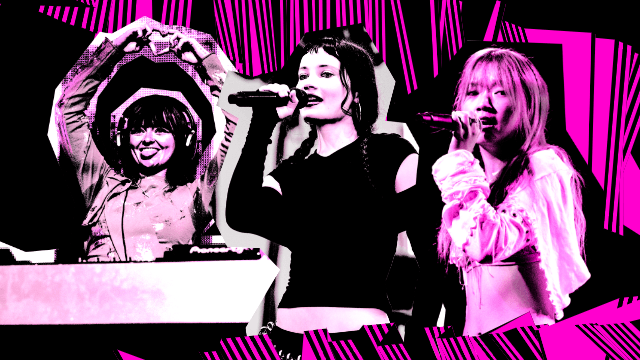
The latest underground dance pop artists are blending together threads from various genres, infusing elements of cloud rap, late-2010s EDM, and hyperpop to create something that feels simultaneously dirty and sweet, a textured and layered sound that is iconic in its own right. This sprawling sonic landscape is emblematic of emerging acts like Snow Strippers, Frost Children, MGNA Crrrta, and Fcukers, fueling a wave of innovation in alt-pop with disarming earnestness.
The New Wave of Alt-Pop
An increasing number of breakout stars, including Slayyyter, Ninajirachi, Six Sex, and Tiffany Day, are creating slushy, synth-heavy tracks that embrace irony while simultaneously pushing emotionality. Their sounds resonate deeply with listeners in a world that is navigating emotional turbulence, incorporating nostalgic hooks and electrified beats that hark back to early dance-pop while existing firmly in the present.
As we delve deeper into this genre’s characteristics, the underground is also rife with talents like Cannelle, Suzy Sheer, Joey Cash, Somewhere Special, and the Twins—artists whose eclectic approaches continue to proliferate this sonic evolution. This fragmentation and nomenclature dilemma is mirrored in social media playlists like the one curated by “more evil,” which highlights a growing conflict of categorization in contemporary music.
The Search for a Name: Defining the Indefinable
Listeners and musicians alike are grappling to solidify a name for this sound. Playlist titles such as “idk what to call this genre but you know what it is” expose a shared uncertainty. In a recent feature by artists known as Friends&, they posited that emerging acts like Snow Strippers and fakemink are exemplifying a “cloudier texture,” positioning them at the far end of the indie sleaze continuum.
Festival lineups like the Palomosa Festival in Montreal have begun highlighting this eclectic scene, where acts such as MGMT (in a DJ set) and Fakemink blur boundaries between genres. Michael Silver, from CFCF, described the event as a nearly experimental fusion of ideas, resonating with a generational zeitgeist. This is not a singular echo, but a chorus of diverse sounds that invite listeners into its fold.
A Nostalgic Reimagining: Electroclash Resurrected
At the core of this burgeoning scene is what can be termed a reimagination of the classic electroclash sound, breathing new life into a genre that meshed punk’s irreverence with the euphoria of dance club culture. Drawing inspiration from iconic electronic acts of the past like Daft Punk and Drain Gang, today’s underground artists craft narratives rooted in both nostalgia and innovation.
This revival is propelled further by the influence of figures like Charli XCX, whose recent works usher in a renewed interest in club classics, blending smooth pop production with harsh, bass-heavy experimentation. The resulting soundscape—characterized by nonsensical hooks, Jersey club influences, and glitchy elements—bridges the artistic gap, while allowing dance-pop to reclaim its place within contemporary music.
Unpacking Hyperclash: The New Aesthetic
So, what if we called this fresh line of sound “hyperclash”? It’s a fitting term—one that reflects the hybrid nature of the music today, harkening back to the very essence of electroclash when it arose in the mid-’90s. Larry Tee, a pioneer and participant in the electroclash movement, notes how the genre began with a limited selection of sounds, leading to a fun and creative mixing process.
This modern movement embodies the same spirit: taking elements from various genres to construct something that feels both familiar yet entirely new. Enhanced by the glittering textures and surveillance-like lo-fi aesthetics, hyperclash serves as a response to the digital age’s often overwhelming inundation of content. It speaks to the yearning for connection within a heavily mediated environment while embracing vulnerability and disconnection as part of the experience.
The Legacy of Electroclash Revisited
The meteoric rise of electroclash in the early 2000s was punctuated by memorable sounds and performances that resonated, albeit while remaining a niche entity. Larry Tee’s storied Electroclash Festival helped solidify its place in pop culture, showcasing the impact of alternative media on shaping musical landscapes. Kimya Dawson later introduced characters and styles associated with the genre to an even broader audience, solidifying the glossy yet gritty image of electroclash.
Today, as pop culture and music evolve alongside technology and social discourse, the lineage from electroclash to hyperclash exemplifies how sounds adapt and shift to meet the needs and experiences of new generations while still paying homage to their origins.
Herein lies an exciting moment in music—a transformational interplay of sounds that mirrors the way we experience life today. Whether we nail down a singular name or instead appreciate the genre’s multiple dimensions, the underground dance pop scene continues to thrive, reflect, and forward an exhilarating future in music.