
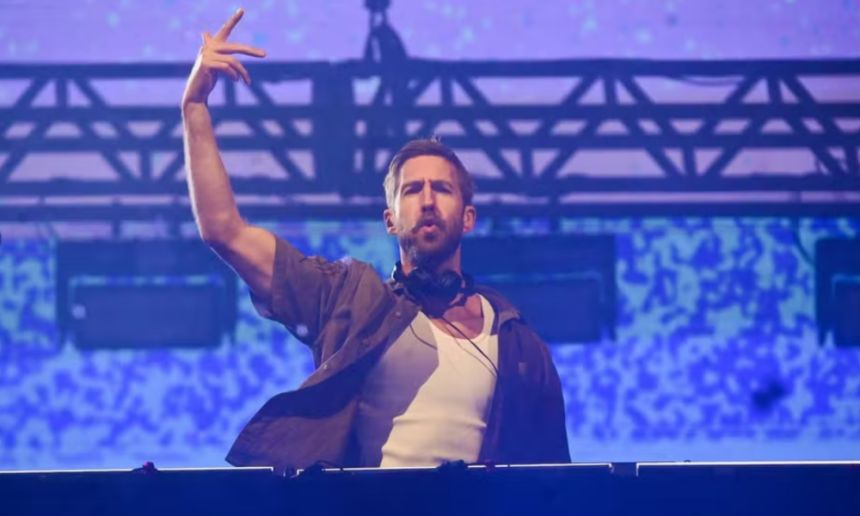
Calvin Harris Makes History at Rock in Rio
On September 6, 2026, Calvin Harris achieved a remarkable milestone in the history of Rock in Rio, stepping into the limelight as the first DJ to close the festival’s illustrious Palco Mundo stage. This landmark performance not only marked Harris’s debut at one of the world’s most celebrated music festivals but also coincided with the 25th anniversary of electronic music being featured at Rock in Rio.
The Evolution of Electronic Music at Rock in Rio
The journey of electronic music within Rock in Rio began back in 2001. That year, the festival introduced a dedicated tent for electronic music, a significant departure from its rock-centric origins. This move highlighted the growing influence and popularity of electronic genres, while providing a platform for DJs and electronic artists to shine within the expansive environment of Cidade do Rock.
As the years rolled on, the presence of electronic music at Rock in Rio strengthened, evolving into the dedicated New Dance Order stage. By 2026, this evolution had led to a massive electronic music stage that measured an impressive 56.5 meters wide and 22.5 meters high, festooned with over 500 square meters of dazzling LED panels. The metamorphosis from a simple tent to a grand stage illustrates not only the changes in the festival’s lineup but also the shifting cultural perspectives surrounding electronic music.
Influential Performers Preceding Calvin Harris
Before Calvin Harris took the closing slot in 2026, numerous other artists had laid the groundwork for DJs on the main stage. Iconic acts such as David Guetta, Alok, and Marshmello had graced Palco Mundo, showcasing how electronic music had started breaking through traditional barriers. These performances were crucial in shifting perceptions and demonstrating the genre’s compatibility with the festival’s diverse lineup. Despite electronic music’s gradual ascent to prominence, it still needed that pivotal headliner to encapsulate its journey—Calvin Harris was the answer.
In 2026, the event’s curation reflected a rich tapestry of music genres, intertwining rock, pop, hip-hop, K-pop, and, of course, electronic music. With other headliners like Foo Fighters, Elton John, and Twenty One Pilots gracing the stage, Harris’s slot as the end-of-night performer signaled a major endorsement of the electronic genre’s stature within the global music scene.
Calvin Harris’s Historic Performance
Calvin Harris’s first appearance at Rock in Rio was not merely a performance; it was a celebration of a genre that had grown and evolved dramatically over the years. Known for his extensive collaborations with pop icons like Rihanna, Dua Lipa, and The Weeknd, Harris brought a flicker of familiarity and excitement to his set. Tracks such as “One Kiss,” “This Is What You Came For,” and “How Deep Is Your Love” resonated deeply with both festival-goers and electronic music enthusiasts alike, serving as a potent reminder of his impact on the dance music landscape over the past two decades.
As he took to the stage, the atmosphere was charged with anticipation. Harris not only unleashed his pulsating beats but also bridged the gap between the festival’s rock roots and the soaring popularity of electronic music, showcasing how both genres can coexist and elevate each other.
The 2026 event emphasized the significance of Harris’s position during the festival, effectively recognizing the evolution and acceptance of electronic music within mainstream culture. By closing Palco Mundo, he represented not just his personal achievements but the culmination of a 25-year journey for electronic music at Rock in Rio—showcasing its transformation from a mere afterthought to a genre deserving of the spotlight.
The legacy of Rock in Rio and its commitment to featuring electronic music was well illustrated through Calvin Harris’s historic set—one that not only honored the past but also paved the way for the future of electronic music at this legendary festival.



