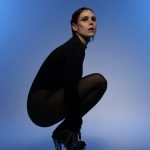

We sit down with Cumbiafrica to celebrate their new release on Universal France’s Decca. We discuss the story behind the music, their collaborations with HUGEL and of course their new release.
How has your year been so far?
This year has been a whirlwind of creativity and hard work for us. We’ve been busy collaborating with our label, Producciones Alé Kumá, which has allowed us to combine various musical styles and cultures effectively. Earlier this year, we released the single “Carmelita Adiós” featuring DJ Dean Mickoski. The excitement didn’t stop there; our EP titled “Sheel Sheel (Drone Song)” was a collaboration with Gaza Birds Singing, a talented children’s choir from Palestine. This project is part of our more extensive album titled “Canciones de Resistencia” (Songs of Resistance), which embodies the spirit of unity through music. As summer approaches, we’ve ramped up our schedule and planned to release a new single every three weeks, all culminating in an upcoming Afro-Latin house album.
How did you all meet? What’s the story behind Cumbiáfrica?
Our journey began in Colombia, where serendipity brought us together. Leo was already well-established as a producer, renowned for his collaborations with notable folkloric artists like Martina Camargo. I, Lina, had just completed my degree in acting and dramatic arts, but my musical roots run deep, having sung alongside my father and sisters throughout my life. Our artistic connection was solidified during a scholarship trip to an artistic residency in the Democratic Republic of Congo, a nation rich in Afro musical heritage and closely tied to Colombia’s own roots. This trip was pivotal; it laid the foundation for Cumbiáfrica, inspired by the vibrant local Afro house scene.
What inspired you to take this path sound wise?
At that time, Leo was leading an orchestra in Belgium named De Palenque a Matongé, featuring an array of talent, including legendary Congolese guitarist Dizzy Mandjeku. As the orchestra comprised both African and Colombian musicians, my involvement as a singer brought a unique fusion of cultures. However, when the pandemic hit, we had to pivot our format to a DJ set incorporating electronic sounds. Despite this change, our mission remained—to honor traditional instruments like the marimba and guitar, which connect both our musical heritages.
What have been your biggest influences on your current sound?
Our sound is enriched by a vast array of influences, primarily from Afro-Colombian and contemporary African music. There exists a vibrant dialogue between these genres, reaching across shared roots to encompass various styles such as soukous, champeta, cumbia, soca, amapiano, and both classic and modern Afrobeat. Artists like Ginton and Trinix, along with the Colombian group Bomba Estéreo, have significantly shaped our musical direction. However, we hold a profound admiration for Stromae, whose artistry continues to resonate deeply with us.
What inspired you to reimagine Batonga? What does that mean to you?
Reimagining “Batonga” was a deeply meaningful endeavor for us. This track, which holds a revered spot in Angélique Kidjo’s repertoire, is more than just a song—it’s a statement of African identity, female empowerment, and cultural resilience. We aimed to weave a conversation between Angélique’s voice and mine, bridging Fon (the language of Benin) and Spanish. Leo crafted original verses that reflect these themes, which resonate deeply with our vision. It’s an incredible honor for us, especially since Angélique Kidjo is a titan in contemporary African music and has won multiple Grammys. This collaboration was made possible through the invaluable support of Decca Records.
How did you come to land on Decca as a label?
Leo, with 25 years of experience in producing, started his project Alé Kumá in Colombia, evolving from ethnic music to contemporary and Afro house styles. It was this rich background that caught the attention of Decca Records, which sought to breathe new life into tracks from their classic catalog. “Batonga” stood out as a perfect choice for this collaboration, and we hope this partnership might extend to collaborations with more African artists from their renowned catalog.
Why did you use your Alé Kumá alias here alongside the Cumbiáfrica titled project?
To infuse a distinct “Latin house” identity into the track, Leo proposed incorporating elements from both Angélique Kidjo’s original sample and new verses and hooks in Spanish. This led to my involvement as the singer under the Cumbiáfrica name, which has gained recognition as a catalyst in the Latin house movement, particularly thanks to our collaborations with HUGEL. We wanted to create a piece that reflected both the essence of our collaborations and the rhythmical influences of Latin music.
Tell us about your work with HUGEL? How did that relationship come to be?
Our connection with HUGEL blossomed during the pandemic when he reached out, having learned of Leo’s work with Alé Kumá as a composer and producer for Martina Camargo. After recalibrating our version of “Morenita,” which had been recorded in the Democratic Republic of Congo back in 2018, HUGEL took our sound and reimagined it. To our surprise, this transformed into an anthem for the post-pandemic Latin house scene. We met face-to-face while filming the “El Sueño” music video, leading to further collaborations, including “Águila.” Leo even assisted HUGEL in coordinating the licensing for “La Verdolaga” alongside Colombian legend Totó la Momposina.
What has been your most memorable gig this year and why?
So far, our most notable performance was at the Carnaval de Vinaròs in Valencia, Spain. Playing before an audience of 10,000 and with the event broadcasted by the Valencian public television network made it feel monumental. What struck us most was learning that Cumbiáfrica’s songs have become a staple for newer generations attending the carnival, where so many audience members sang along, creating a vibrant, collective experience. The emotional weight of that moment is something I’ll carry with me forever, and we plan to share the full concert on our YouTube channel soon!
What is your studio setup like? Any rare equipment you like to use?
Today, we enjoy a well-furnished studio, complete with excellent acoustic treatment, providing the ideal environment for our recordings. Nonetheless, we have fond memories of our humble beginnings in a simpler home studio setting where many iconic tracks were born. Our first mic, a The t.bone RB 500 ribbon mic, holds sentimental value. While we’ve upgraded to more sophisticated equipment, we still utilize that old ribbon mic to capture the essence of Cumbiáfrica’s vocals.
What advice would you give to young aspiring producers?
Our enduring advice has always been to “listen to musicians.” We’re not just referring to those with formal training; traditional musicians who might not read sheet music yet possess innate talent hold a wealth of knowledge that many producers could learn from. Ideally, emerging producers should take the time to understand music theory or, at the very least, pick up an instrument or learn to sing. If time is a constraint, connect with a musician friend who can offer insights on how to refine your tracks and enhance the musical experience.
What more can your fans expect from Cumbiáfrica this year?
In addition to the exciting releases from our label, there’s much more on the horizon as we strengthen our collaboration with Decca Records. They house a fantastic catalog of artists in ethnic, jazz, and world music, all of whom serve as inspirations for communities worldwide. We are currently working on two new releases for Decca and hope to compile these and other future works into an album featuring collaborations with artists from Africa. This vision embodies the core essence of Cumbiáfrica.
Stream their latest single below and purchase here.
Follow: