The Pet Shop Boys: Dancing with Irony in Pop Music
When Neil Tennant and Chris Lowe, known to the world as the Pet Shop Boys, emerged in the 1980s, they tapped into a pop music landscape overflowing with larger-than-life personalities and euphoric rhythms. As synthesizers pulsed and lavishly crafted music videos captivated audiences, the duo emerged not just as participants in this joyous scene but as sharp observers, capable of infusing thought-provoking commentary into their glittering catalog. Pet Shop Boys understood something crucial about pop music: you can dance and think at the same time.
The Art of Irony
At the heart of their success was irony, a powerful instrument that permeated much of their work. Take, for instance, “Opportunities (Let’s Make Lots of Money).” On the surface, this song seemed like an anthem of ambition, celebrating capitalistic aspirations with catchy lines like “I’ve got the brains, you’ve got the looks.” Yet, when viewed against the backdrop of 1980s consumer culture, the cheerful facade reveals a satirical edge. The Pet Shop Boys took the very essence of greed—something many were eager to embrace—and packaged it in a catchy chorus, allowing even those who were being poked fun at to join in the sing-along. This ability to blend satire with infectious melodies created a fundamental tension in their music, one that resonated deeply with listeners.
Themes in Urban Life
Pet Shop Boys adeptly paired their electronic sound with sharp social observations. “West End Girls” melded cool electronic production with commentary on class and urban aspirations, while “Shopping” transformed consumerism into a compelling pop anthem. The lyrical depth didn’t stop at social critique; “Rent” explored the uneasy relationship between romance and financial dependence, revealing complexities that were often glossed over in mainstream pop. This duality left room for various interpretations, inviting listeners to engage with the songs beyond the surface level while still enjoying the beat.
The Balance of Delivery
One of the duo’s signature strengths was their delivery. Tennant’s detached, almost sardonic vocal style allowed him to sing lines that could appear romantic, tragic, or absurd, all while leaving listeners to decide which emotions to embrace. Chris Lowe’s electronic production provided a punchy counterbalance, delivering something euphoric and danceable, contrasting with the often thought-provoking, sometimes sobering lyrics. This interplay not only made their music accessible but also demanded attention: it was a delicate dance between melody and message.
Visual Minimalism and Restraint
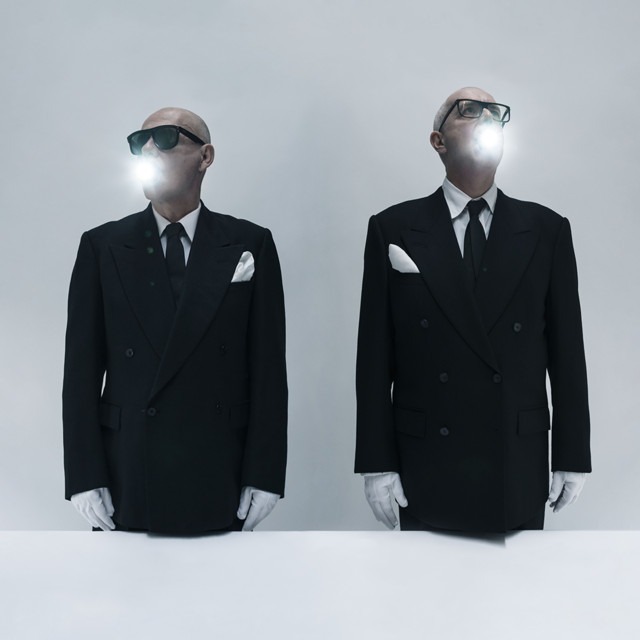
In an era when pop stars often projected exuberance and excitement, Pet Shop Boys seemingly basked in a sphere of understated cool. Lowe’s iconic image—standing behind keyboards in sunglasses—coupled with Tennant’s composed stage presence, allowed the duo to create a brand that was both intriguing and enigmatic. Their indifference to the overt theatrics of pop stardom became a part of their allure, suggesting that one could succeed in the industry without conforming to its overwhelming pressures.
Reimagining the Familiar
Their cover of “Always on My Mind” illustrates how the Pet Shop Boys could take relatively familiar material and transform it into something entirely new. By wrapping a well-known song steeped in romantic regret with an energetic electronic soundscape, they demonstrated a profound understanding that feelings of sadness and melancholy could thrive in uplifting contexts—an audacious move that left a lasting impact on the genre. Through such reinterpretations, they beautifully intertwined the emotional with the celebratory, showing that joy and sorrow could coexist within the framework of pop music.
Big Themes, Grand Productions
The duo didn’t shy away from addressing weighty subjects in a grand style. “It’s a Sin” tackled themes of guilt and religious repression while serving up colossal synth-pop beats, creating a theatrical experience that was as entertaining as it was profound. “Being Boring” examined friendships and memories without feeling overly sentimental, and “Left to My Own Devices” masterfully combined orchestral elements with a narrative about the mundanity of daily life, elevating a simple occurrence to extraordinary heights.
Pop Culture Commentary
Arriving at a time when the 1980s were rife with advertising, materialism, and hyper-stylized image-making, Pet Shop Boys offered a clever critique of their environment. Tennant’s background in journalism provided him with unique insights into culture and language, which he adeptly transformed into songs that commented on the very pop culture they were a part of. They distinguished themselves by immersing themselves within the commercial landscape yet strikingly managed to comment on it as well, creating a rich, compelling narrative through their work.
The Commercialization of Irony
What set the Pet Shop Boys apart was their ability to marry irony with commercial appeal. They understood the essential components of a successful pop song: strong melodies, infectious rhythms, and relatable themes. Their clever use of irony never felt exclusionary or distant; rather, their meticulously constructed tracks invited audiences to revel in both the music and the layered meanings. Their songs became hits not just because they were catchy, but because they resonated with a generation seeking both joy and insight—a testament to the duo’s remarkable talent for balancing entertainment with thoughtfulness.
In crafting a distinctive and enduring legacy, the Pet Shop Boys made a profound statement: pop music could flourish with intelligence and irony, demonstrating that sometimes, the best way to express deeper truths is through the irresistible lure of a dance beat.