
New York Attorney General Sues Evolutions Festival Over Failed Refunds
New York’s attorney general has initiated legal action against the organizers of Evolutions Festival, an electronic dance music event that was abruptly canceled just days before its scheduled start. The significant aspect of this legal battle hinges not only on the festival’s cancellation but also on the organizers’ failure to issue any refunds to consumers, raising questions regarding consumer rights within the entertainment industry.
Background of the Evolutions Festival
Planned for September 2025 in upstate New York, the Evolutions Festival was set to be a three-day event featuring high-profile artists such as Alison Wonderland, Of The Trees, and Ganja White Night. However, the festival was abruptly called off less than two weeks ahead of its commencement. The organizers cited difficulties with the venue, Sugar Mountain Performing Arts Center, claiming that the venue failed to secure the necessary permits for the festival.
The Legal Framework and Allegations
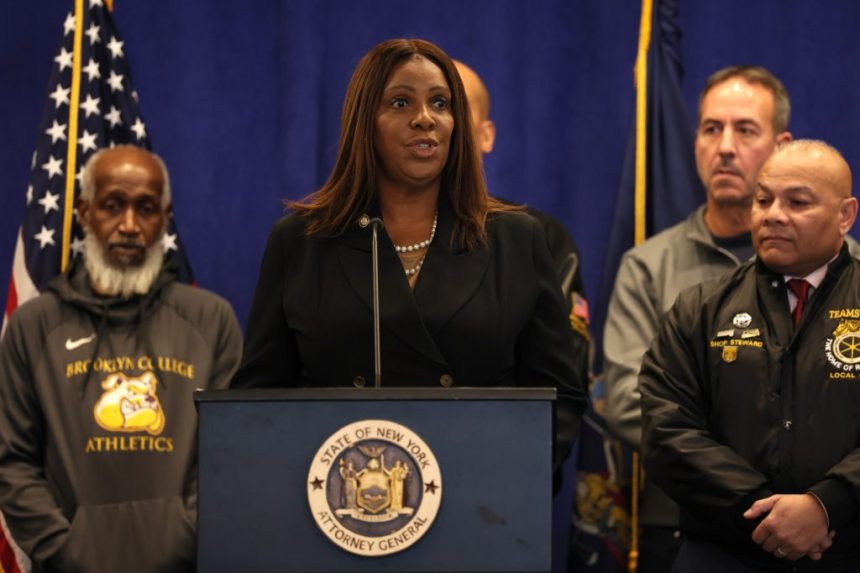
On Tuesday, September 29, Attorney General Letitia James filed a lawsuit against Evolutions Festival, aiming to recover over $243,000 in advanced ticket sales from more than 500 consumers. James stated, “Concertgoers and vendors who spend their hard-earned money in New York should know that my office has their back.” This declaration underlines the commitment to protect consumers from unscrupulous promoters and the financial fallout that often accompanies poorly managed events.
The legal suit comes amid rising concerns over consumer protection, particularly as ticket sales bring in significant sums from attendees. The AG’s office pointed out that Evolutions Festival organizers had promised refunds contingent on the outcome of ongoing litigation against the Sugar Mountain venue. However, this approach contradicts New York’s Arts and Cultural Affairs Law, which mandates that promoters keep ticket funds in escrow or have an established means of processing refunds—regulations that Evolutions allegedly failed to meet.
Disputed Claims Between Organizers and Venue
The narrative surrounding the cancellation has been complicated by conflicting statements between Evolutions organizers and Sugar Mountain. The venue quickly countered the festival’s claims, asserting that it had all the requisite permits and that it was, in fact, the festival’s failure to submit vital paperwork, including signed contracts and proof of liability insurance, that led to the cancellation.
In response to their financial disputes, the Evolutions organizers have initiated a separate lawsuit against Sugar Mountain, blaming the venue’s alleged failures for the cancellation. They claim that the venue lacked adequate permits for the expected crowd and failed to secure the necessary permissions for serving alcohol. Sugar Mountain has categorically denied these allegations, and legal proceedings surrounding this dispute are still unfolding.
Consumer Complaints and Refund Issues
According to the attorney general’s lawsuit, the organizers of Evolutions Festival have reportedly remained unresponsive to refund requests from attendees, leading to numerous complaints to her office. Consumers who had paid for tickets are still waiting for restitution, while the organizers have also allegedly withheld over $21,000 that was collected from vendors associated with the event.
The legal ramifications for Evolutions Festival are significant, as the AG’s lawsuit seeks not only to facilitate refunds for ticket buyers but also to impose fines of $5,000 for each violation of the law. This could result in nearly $6 million in potential fines if the court fully awards the penalties. Additionally, the lawsuit includes a request to ban the festival organizers from holding future events in New York state unless they post a $500,000 bond to guarantee compliance with relevant laws.
Organizers and Their Future
The entities named in this lawsuit—Evolutions Festival LLC, 845 Vibrations LLC, and the festival’s organizers Michael and Justin Brown—have yet to respond officially to the allegations. The unfolding situation has brought to light crucial conversations around consumer protection, festival organization accountability, and the complexities involved in producing live events, particularly during a tumultuous era for the entertainment industry.
As this case continues to evolve, it serves as a poignant reminder of the responsibilities that promoters hold toward their audience, particularly in ensuring that financial transactions and event planning adhere to established legal frameworks designed to protect consumers.



