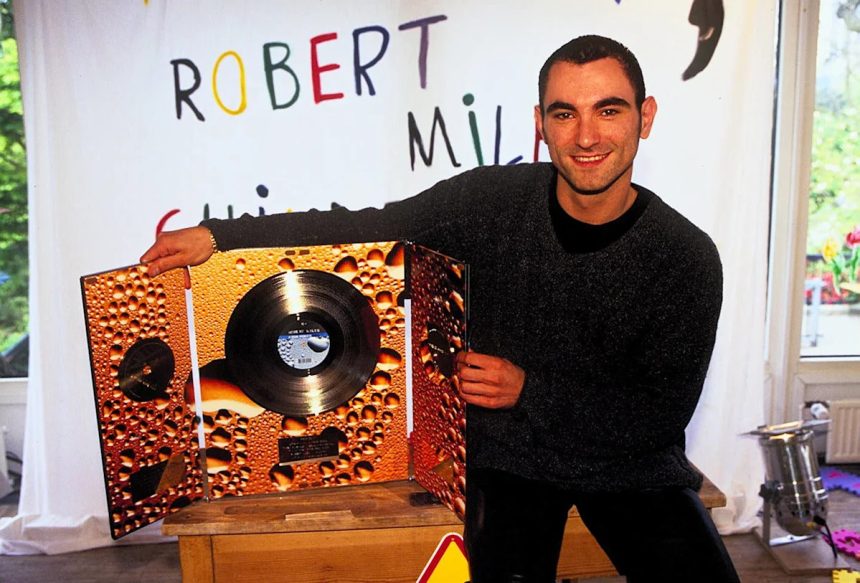
The Timeless Melody of “Children” by Robert Miles
One of the standout tracks of the 1990s, “Children,” is known for its enchanting electronic melody and emotional resonance. Released in November 1995 by Italian producer Robert Miles, whose real name was Roberto Concina, this instrumental masterpiece became the leading single from his debut album, Dreamland. This track not only carved a niche in the annals of global dance music history but also captivated audiences with its distinctive sound, which continues to resonate decades later.
Origins in a Dark Era
The context in which “Children” was created is as compelling as the melody itself. During the mid-90s, Italy’s rave and club culture faced a grim reality with a wave of late-night driving accidents, particularly involving young partygoers returning home after nights of dancing. This phenomenon, dubbed the “Saturday night slaughter” (stragi del sabato sera), became so prevalent that it garnered attention across the media and prompted discussions about the safety of the nightlife lifestyle.
In this environment, Robert Miles sought to craft a song that would serve as a calming denouement for club-goers. He envisioned “Children” as a closing anthem for DJ sets, using its euphoric yet haunting piano melody to foster a sense of tranquility as revelers made their way into the night. Miles aimed to offset the high-energy tracks that preceded it, creating a more contemplative atmosphere for the journey home.
An Emotional Inspiration
The title of the song also hints at deeper meanings. Miles drew inspiration from personal experiences, particularly his father’s humanitarian work in the former Yugoslavia. Witnessing the devastation brought by war, including the suffering of child victims, left a profound impact on him, influencing the emotional depth of the track.
Reflecting on his debut performance of “Children,” Miles recounted a powerful moment: “I lifted my gaze and saw a sea of hands reaching up high and a smile stamped on every face.” This visceral connection to his audience showcased the song’s ability to evoke feelings of joy and relief amidst the chaos of nightlife.
Rise to Global Stardom
Following its release, “Children” built momentum and quickly became a global phenomenon by 1996. Topping the charts in over a dozen countries, it was heralded as one of the biggest dance singles of the decade. In fact, it was recognized as the eighth best-selling single of the year. Few instrumental tracks have managed to penetrate mainstream charts to such a degree, making Robert Miles a distinctive figure in a landscape often dominated by vocal hits.
In the UK, it peaked at No. 2, while in the United States, it climbed to No. 21 on the Billboard Hot 100 and topped the Dance Club charts, showcasing its widespread appeal across different markets. BBC Radio 1’s Pete Tong named it the Essential Tune of the Week for three consecutive weeks, further bolstering its visibility and significance within the music culture of that era.
Enduring Legacy
As time passed, “Children” became a defining anthem of the electronic genre, contributing to the evolution of “dream trance” and “dream house” sounds. Its unique blend of melancholy and euphoria made it a staple in DJ sets and playlists worldwide, ensuring it stayed relevant long after its initial release. In 2025, Billboard recognized it as one of the 100 Best Dance Songs of All Time, awarding it the No. 59 spot, a testament to its lasting impact on the music scene.
Tragically, Robert Miles passed away from cancer in 2017 at the age of 47, but his legacy lives on through “Children.” The melody continues to evoke emotions and memories, influencing a new generation of music. In 2023, the song found new life when Switch Disco and Ella Henderson sampled it for their single “React,” which reached No. 4 on the charts, proving the song’s timeless allure.
Through “Children,” Robert Miles not only created a hit but also subtly addressed the deep-rooted issues within his culture, all while delivering a melody that connects with listeners on a universal level. This track remains a poignant reminder of how music can both entertain and inspire, leaving an indelible mark on the landscape of dance music.