
A Night of Liberation: The Rise of Group Therapy Raves in Lagos
A Unique Gathering in Lekki
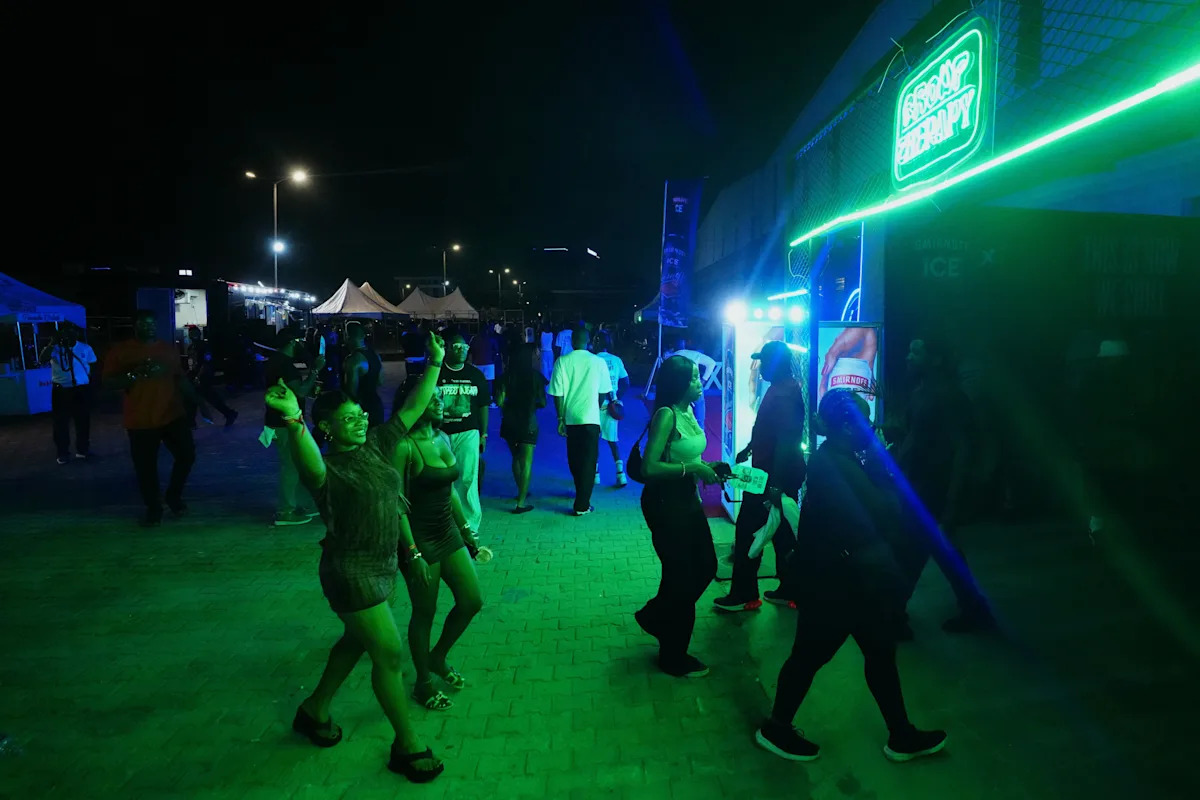
On a recent Friday night in Lekki, an upscale neighborhood in Lagos, thousands of young people poured into a vast auditorium, buzzing with expectation. Amid the dimly lit space, illuminated only by strobe lights casting a vibrant green hue, revelers gathered not just to dance, but to engage in a form of collective therapy that goes beyond the confines of traditional nightlife.
This event, dubbed Group Therapy, represents a significant departure from the conventional Lagos party scene. Here, the focus isn’t on extravagant table service or bottle popping; rather, it’s centered on unity, freedom of expression, and a shared love for music and dance.
The Table Culture vs. Rave Scene
For decades, Lagos’ nightlife has been dominated by a fierce table culture, where patrons are encouraged to compete over expensive drinks and prime seating. This system has essentially created an exclusive atmosphere, leaving many young people feeling marginalized—especially in a country grappling with soaring inflation and socioeconomic pressures.
DJ Aniko, the visionary behind Group Therapy, articulates this sentiment: “In raves, the dance floor is present. You go to a usual Lagos party, and there is no dance floor.” This lack of space to simply dance has made Group Therapy appealing; it strips away the societal pressures that usually accompany nightlife. Instead of the multi-tiered table system—VVIP, VIP, and regulars—revelers enjoy a shared experience standing shoulder to shoulder on a dance floor, creating an atmosphere of camaraderie and uninhibited joy.
Affordable Fun in a Challenging Economic Climate
The pricing structure at Group Therapy reflects its ethos. While a single bottle at a conventional club might set patrons back between 100,000 to nearly a million naira (around $70 to $1,400), tickets to this rave cost a mere 21,000 naira ($15.19). This significant price difference allows younger attendees, many struggling with the high costs of living, to join without the pressure of extravagant spending.
As Oluwamayowa Idowu, founder of Culture Custodian, notes, raves like Group Therapy are flourishing because people are seeking more accessible and enjoyable nightlife experiences. “What this says is that people don’t have the purchasing power to sustain a club lifestyle,” he explains. The focus has shifted from showcasing wealth to promoting genuine enjoyment.
The Vibe of Connection and Community
Among the buzzing crowd, Yetunde Onikoyi, 28, shares her experience of discovering raves: “Ever since then, I have been hooked by the neck; it is like a chokehold. I always want to be here.” The ambiance at Group Therapy fosters not just a sense of community, but an emotional escape from the everyday struggles, making it a hotspot for young people seeking relief and connection.
As attendees dance without the pretense of exclusivity, Dayo Williams, a consultant, emphasizes the importance of this focus on human interaction: “Finding a place that still focuses on the human aspects of things, as against the materialism… is always a blessing.”
The Heartbeat of House Music
What’s a rave without music? Each DJ spins energetic loops from late night until dawn, a barrage of high-tempo beats that echoes the pulsating energy of the crowd. House music, a subgenre of electronic dance music, has emerged as the genre of choice for these gatherings, drawing inspiration from African sonic elements and propelling the excitement higher with every drop.
Zia Yusuf, a content creator who attended the event, articulated a universal truth about the music: “House music evokes feelings. You just connect to the music and to the people around you who connect to the music, too.” This emotional connection fosters a sense of belonging, vital for young people navigating a conservative Nigerian society.
A Break from the Mainstream
Interestingly, Group Therapy is not just a reaction to the existing nightlife culture but also a conscious decision to sidestep mainstream influences. Aniko deliberately ensures that the space is free of the pressures associated with the music industry, where artists often dominate the experience by previewing new tracks or dictating the vibe of the night. “Once you are reliant on the mainstream industry for the music, the mainstream creeps into the space,” says Aniko.
This proactive approach allows revelers to enjoy a raw, unfiltered experience devoid of commercial intrusion, highlighting the allure of the rave culture that is resonating deeply with Nigeria’s youth.
As Lagos continues to pulsate with a unique blend of tradition and modernity, events like Group Therapy showcase the city’s evolving nightlife landscape. In a world filled with barriers, these raves create a space where young people can reclaim their narratives and find joy amid the chaos.