Embracing Freedom: The Rise of Group Therapy Raves in Lagos
A New Nightlife Experience
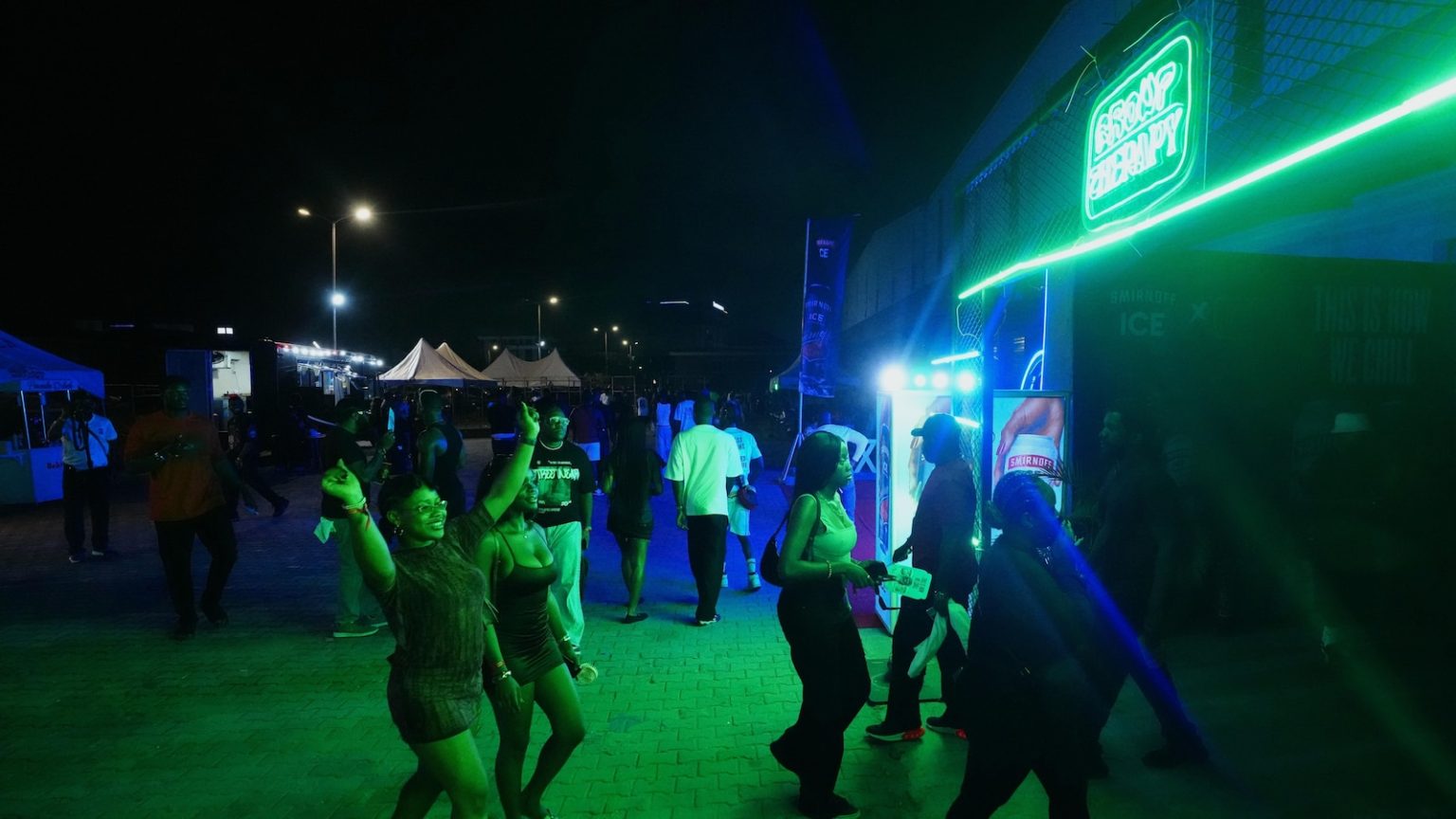
On a pulsating Friday night in Lekki, Lagos, a large auditorium filled with thousands of mostly young partygoers came alive with energy and excitement. Inside this dimly lit venue, the atmosphere vibrated with the beats of electronic music as flashing green strobe lights pierced the darkness. This gathering wasn’t your typical club scene; it was a raucous yet liberating experience known as Group Therapy. Here, revelers sought refuge from the traditional nightlife culture that had long dominated Lagos.
The Transformation of Lagos Nightlife
Lagos has cultivated a nightlife identity heavily influenced by what is known as “table culture.” This exclusive club experience elevates spending and prestige, encouraging a competitive environment where the most extravagant drink purchases dictate social status. Young people, particularly in a country grappling with soaring inflation, feel increasingly alienated. In this landscape, Group Therapy presents a refreshing alternative, stripping away the hierarchy and elitism usually associated with nightlife in Nigeria’s commercial hub.
Breaking Down Barriers
During Group Therapy, attendees find themselves dancing shoulder to shoulder, free from the constraints of reserved tables and expensive drink minimums. Instead of extravagant bottles hovering around VIP sections, there’s one modest bar offering reasonably priced drinks, making the night accessible for all. DJ Aniko, the founder of Group Therapy, emphasizes this commitment to inclusivity. “We barely have spaces to just dance,” he noted, clearly highlighting the need for venues where music and movement reign supreme over materialism.
An Escape from Materialism
Yetunde Onikoyi, a 28-year-old regular at raves, captures the essence of this new experience beautifully: “Ever since I started coming last year, I have been hooked. It’s like a chokehold. I always want to be here.” In contrast to typical nightclubs, where the buzz revolves around who buys the most expensive drinks, Group Therapy fosters a communal spirit. Patrons are relieved from the pressure of table service, allowing them to focus solely on engaging with the music and each other.
A Shift in Culture
Experts note that the rise of raves like Group Therapy signals a cultural shift among young Nigerians. Oluwamayowa Idowu, founder of the influential culture publication Culture Custodian, describes raves as a more democratic form of nightlife. “People don’t have the purchasing power to sustain a club lifestyle,” he explains. While traditional clubs remain relevant, the modern climate emphasizes enjoyment without the pressure to perform wealth.
Prioritizing Human Connection
The desire for meaningful connections extends beyond the dance floor. Dayo Williams, a consultant attending the event, reflects on the importance of finding spaces focusing on human experiences rather than material gain. “Finding a place that still focuses on the human aspects of things is always a blessing,” he shared. This sentiment resonates deeply within the crowd, as they share laughter, dance moves, and an unspoken understanding of the significance of their gathering.
The Sounds of Change
As the music unfolded from late night into the early morning hours, a roster of DJs played continuous loops of high-tempo beats, crafting an electric atmosphere. The sea of heads bobbing in unison showed the intoxicating unity of the crowd—a community brought together through a shared love for rhythm and movement. Since 2022, the infusion of South African genres into house music has carved out a unique identity for these raves in Lagos, appealing especially to the younger generation embracing this cultural crossroad.
Connecting Through Music
Zia Yusuf, a content writer and attendee, beautifully articulates the emotional power of music in such spaces. “House music evokes feelings,” she explains. It enables individuals to connect deeply with the sounds and rhythm, fostering an even stronger sense of community. This cultural exchange is reflective of a broader trend, where musicians from Nigeria and beyond actively influence each other’s work.
Challenging the Norm
DJ Aniko’s intention behind Group Therapy extends beyond simply providing an alternative to clubbing. He seeks to reclaim space from mainstream music that often dictates what artists play in clubs. “Once you are reliant on the mainstream industry for the music, the mainstream creeps into the space,” Aniko pointedly remarks, stressing the importance of remaining true to the essence of the rave experience.
The emergence of events like Group Therapy not only provides young Nigerians with an escape from societal pressures but also redefines nightlife in a way that prioritizes authentic connections and genuine enjoyment above ostentation. In Lagos, this fresh approach to revelry represents a vital cultural movement, inviting all to dance freely—together, united by the power of music.