Transforming Uranium Measurement with RISCC: A Modern Approach to Safety and Efficiency
In the realm of nuclear decontamination and decommissioning, ensuring the safety of workers while efficiently measuring hazardous materials is paramount. Traditionally, Non-Destructive Assay (NDA) crews faced the challenging task of measuring equipment to ascertain the presence of uranium deposits and determine necessary handling protocols. This process often involved multiple measurements across various components, leading to a labor-intensive and resource-heavy operation. Enter the revolutionary RISCC (Radiation Imaging Scanning and Characterization) method, which promises to redefine how these measurements are conducted.
The Challenges of Traditional NDA Measurements
In the past, NDA crews grappled with a cumbersome workflow. Each component required extensive gauging, often demanding that workers partially disassemble equipment or relocate it to obtain accurate measurements. This step not only consumed significant time but also escalated the costs associated with project timelines. Moreover, moving equipment increased the risk of exposure to hazardous conditions, putting personnel at unnecessary risk. Such challenges necessitated a more efficient and safer approach—a gap that RISCC seeks to fill.
How RISCC Enhances Safety and Efficiency
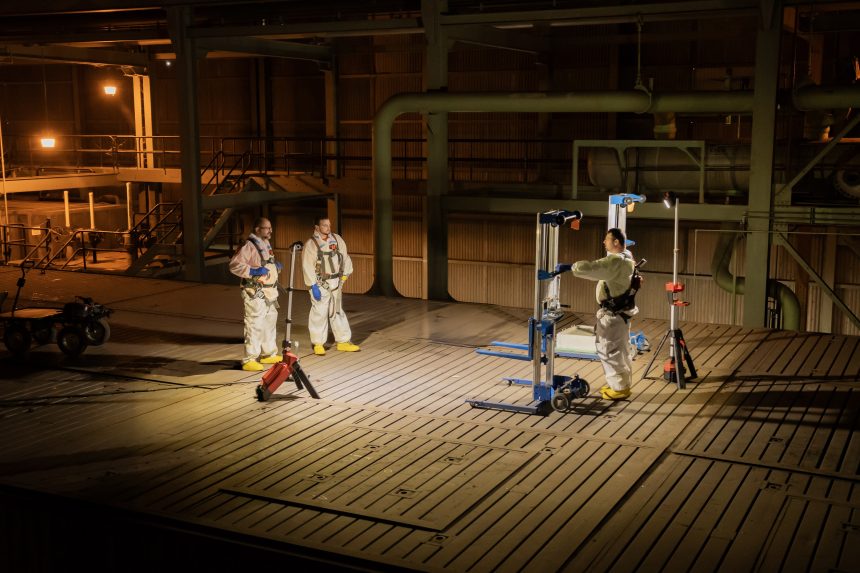
The RISCC method allows for the scanning of nearly 1,000 components within the C-337 Process Building at the Paducah Site without the need for disassembly. This innovative technique serves as a game changer by enabling in-situ measurements that eliminate the need to alter or relocate surrounding systems. Consequently, workers can glean vital data on the potential presence of uranium deposits while significantly reducing the time and resources traditionally required for the task.
By employing the RISCC approach before dismantling process gas equipment, analysts can set baseline criteria for the materials involved. This pre-emptive evaluation is crucial, as it might lead to the elimination of special handling requirements that often bog down removal and transportation processes. In essence, RISCC minimizes delays while maximizing safety.
Real-World Application in C-337
The deployment of the RISCC method at the C-337 site stands as a testament to its effectiveness and adaptability. Through harnessing lessons learned from previous methodologies, the approach streamlines operations to uphold the utmost safety. The shift to RISCC translates into a significantly reduced timeline for project completion—an improvement that Ladd, a project manager at the Paducah Site, has ardently highlighted.
As RISCC is applied more broadly, it is poised to become increasingly accurate, leading to enhanced predictability regarding uranium deposit assessments and accompanying risks. This growing reliability promises not just to improve current operations but to also inform future methodologies in similar hazardous measurement environments.
Lessons Learned and Ongoing Improvements
The evolution of the RISCC technique represents a collective effort to learn from the past and shape a safer future. Each new scan contributes to refining the methodology, cementing its reputation as not only a solution but a continuously evolving tool in the industry. The collaborative nature of the teams involved in its development ensures that innovations are swiftly integrated, enhancing performance and safeguarding personnel.
Through the lens of RISCC, the landscape of uranium measurement is undergoing a transformative shift. By reducing the complexities and dangers associated with traditional NDA measurements, workers can proceed with enhanced confidence and efficiency. The focus now rivets on collecting comprehensive data that will pave the way for further advancements in safety protocols and operational excellence.
This pioneering approach embodies the spirit of innovation, as it seeks to balance operational demands with the critical necessity of worker safety. In doing so, it underscores a commitment to improving methods in handling nuclear materials—an aspiration vital not only for the present but for future generations engaged in similar endeavors.