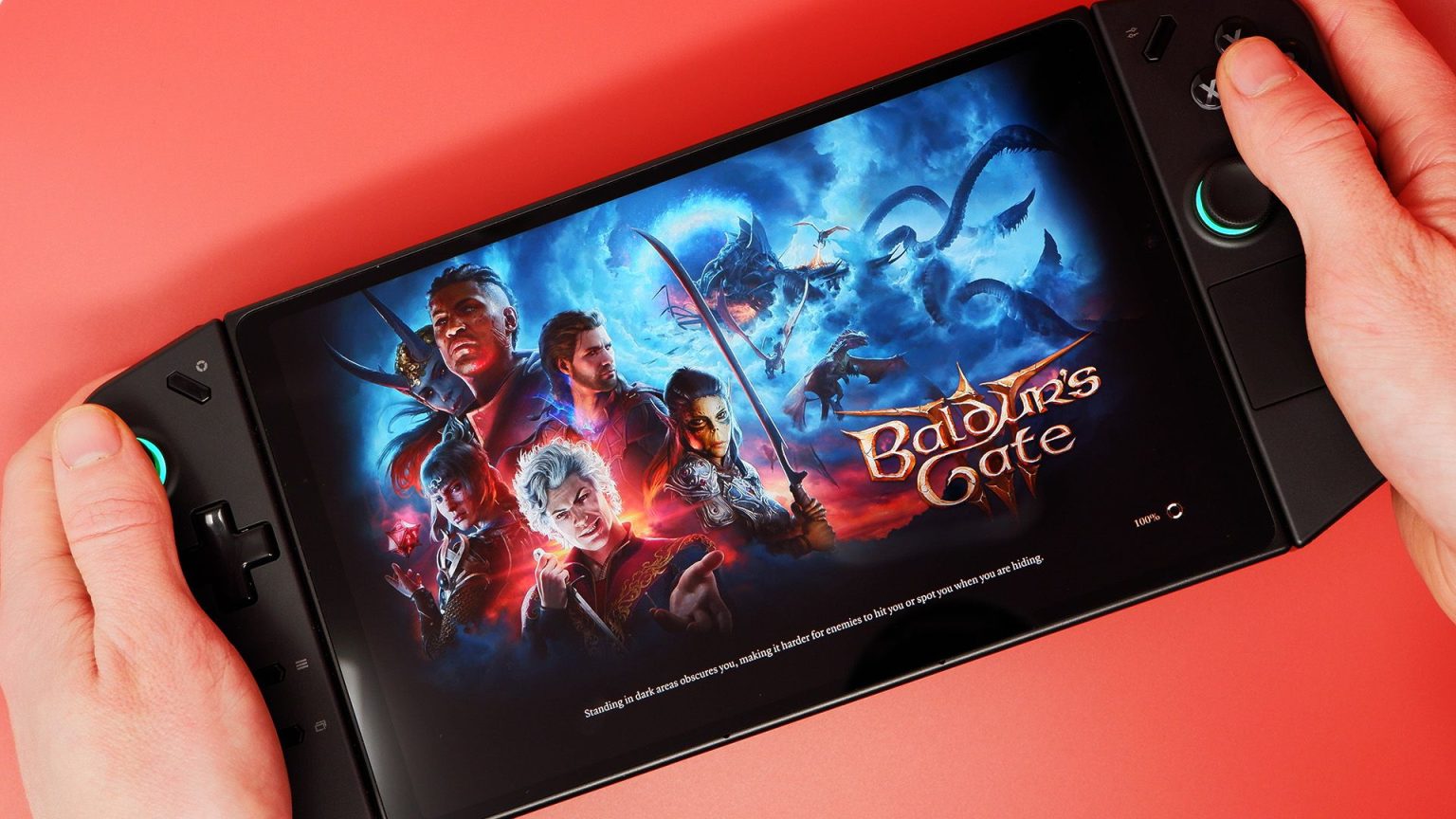
The Promising Future of Handheld Gaming: Lenovo Legion Go and Long-Term Support Insights
As the gaming landscape continues to expand, more and more players are intrigued by the prospect of handheld gaming PCs. While the idea of enjoying gaming experiences from the comfort of your bed or on-the-go is enticing, many enthusiasts, including myself, find ourselves hesitating to invest in this technology. The sticking points often revolve around pricing and the crucial question of long-term hardware support.
Lenovo’s Commitment to the Future
Lenovo, known for its innovative approach in various tech sectors, has officially entered the handheld gaming arena. One of the key players in this segment is the Lenovo Legion Go, which operates on the AMD Ryzen Z1 Extreme processor. The company has made an impressive pledge—promising to support the Legion Go until at least 2029. This announcement brings a wave of relief to concerned consumers who worry about the lifecycle of their gaming devices.
According to an official statement from Lenovo, “Support for the Lenovo Legion Go… has not been discontinued.” Lenovo stressed its ongoing commitment to providing necessary driver and BIOS updates up until October 2029 in collaboration with AMD. This partnership allows for a steady release of updates, reviewed rigorously by Lenovo to ensure quality and performance.
Addressing Support Concerns
Not too long ago, doubts regarding long-term support for the Legion Go began circulating. A machine translation of a Lenovo Korea customer service response hinted that no further driver updates would be made for the device. This created a climate of uncertainty, especially given that users had not seen a GPU driver update since the previous September.
In a rapidly evolving tech world, where software support can significantly affect performance, these concerns aren’t unfounded. Competitors like the Asus ROG Ally, which also features the Ryzen Z1 Extreme chip, have faced similar scrutiny over support and update cadence. While the ROG Ally manages to roll out driver updates, performance has still left players wanting, particularly in demanding games like Resident Evil Requiem.
The Competition: Asus ROG Ally
As we delve deeper into the handheld gaming market, comparing rival products sheds light on Lenovo’s bold promises. The Asus ROG Ally’s performance has raised eyebrows, especially when tested against the well-established Steam Deck. Although it is equipped with powerful hardware, the execution has not always met expectations.
The recent updates for the ROG Ally did not bring significant improvements to performance either, casting some doubt on AMD’s commitment to driver support for its Ryzen Z1 chips. This only amplifies the significance of Lenovo’s clear and assertive commitment to support its Legion Go.
Consumer Considerations in the Handheld Market
For anyone contemplating the purchase of a handheld gaming PC, these elements are paramount. The price point is a major factor; a device like the Legion Go still commands a handsome price tag, even on the second-hand market. However, the knowledge that Lenovo is going to support the device for several more years may persuade potential buyers.
Moreover, long-term hardware support is crucial for anyone who wants to maximize their investment in technology. Gaming is an ever-evolving platform, and without regular updates, devices can quickly become obsolete or fail to run new titles effectively. A robust support system fosters consumer confidence—a crucial element in tech purchasing decisions.
Lenovo vs. Asus: A Performance Outlook
As we look toward the future of handheld gaming PCs, Lenovo’s commitment stands as a high-water mark against which competitors like Asus must measure themselves. With genuine concerns about long-term support and performance maintaining their prominence in consumers’ minds, Lenovo’s pledge to continue supporting the Legion Go for another six years underscores its belief in not just the product but also in the overall gaming experience.
This landscape promises to evolve, and both companies must strive to assure gamers that their devices will remain relevant and performant far beyond the initial purchase date. For now, Lenovo’s proactive stance provides a reassuring beacon in a market wary of obsolescence.
The path to handheld gaming remains vibrant, with constant competition prompting innovations and advancements. As more players enter the market, Lenovo’s decisive positioning may well set the standard for reliability and ongoing support in the handheld gaming sector.