
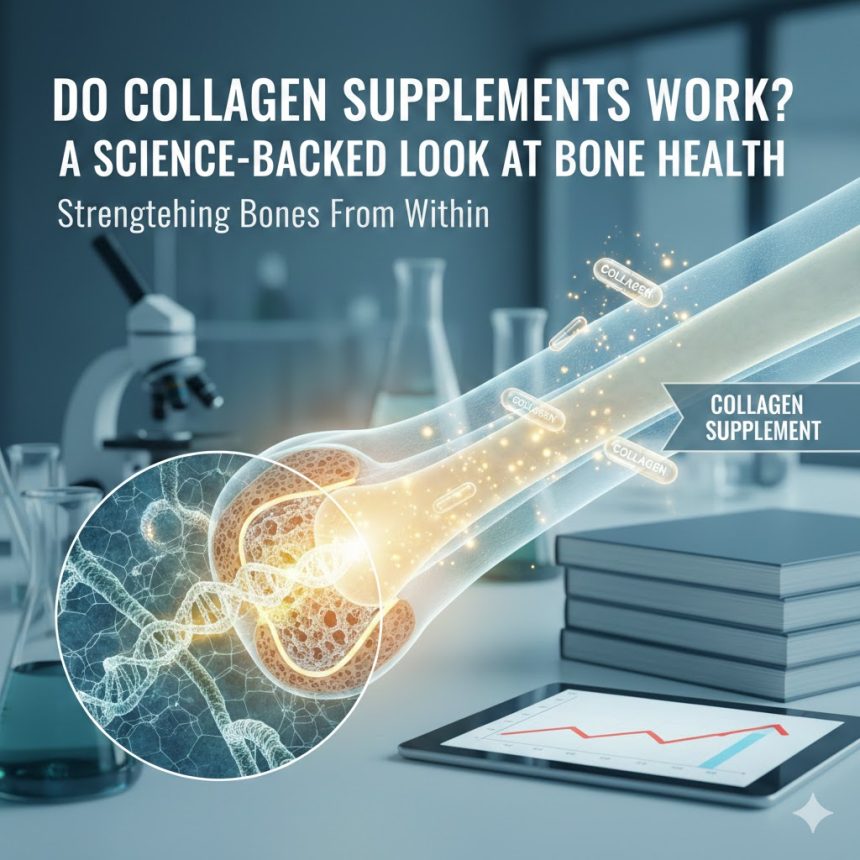
Collagen, the most abundant protein in our bodies, serves essential roles in maintaining the structure and integrity of bones, joints, and various connective tissues. As we age, our natural collagen production begins to decline, prompting many individuals to seek collagen supplements, particularly those concerned about bone strength and the risk of osteoporosis. The crucial question arising is: do collagen supplements actually work?
Understanding the Role of Collagen in Bone Health
Bones are complex structures composed not only of minerals like calcium but also of a protein matrix primarily made up of collagen. This protein provides bones with the flexibility and resilience needed to withstand pressure and trauma. Collagen aids in binding minerals, thus supporting bone regeneration, which helps in maintaining overall bone density and strength. Given this structural importance, researchers have explored whether collagen peptides can effectively bolster bone health or slow the rate of bone loss over time.
Research Insights on Collagen and Bone Health
Evidence Supporting Potential Benefits
Emerging studies indicate that collagen supplementation may offer measurable benefits, particularly for individuals at increased risk of bone loss. Some key findings include:
- Research indicates that collagen peptides can enhance bone mineral density (BMD) in crucial areas such as the spine and hip.
- Trials have reported noticeable improvements in bone formation markers following sustained daily supplementation.
- When combined with other nutrients like calcium and vitamin D, collagen appears to enhance results more effectively than these nutrients alone.
These investigative efforts suggest that collagen supplementation could play a significant role in fortifying the organic framework of bones, aiding in fracture prevention, especially among older adults.
Where the Evidence Is Still Limited
Despite the promising results, the scientific understanding of collagen’s effects on bones is not entirely conclusive:
- Some reviews highlight that the existing evidence remains inconsistent and often stems from small-scale studies.
- Experts note that while supplements do provide essential amino acids, our bodies can synthesize collagen naturally from dietary proteins.
- Major health organizations caution that the observed benefits are modest and that comprehensive research is needed to determine long-term effects.
In essence, while collagen supplements exhibit potential, they should not be seen as a replacement for traditional, evidence-backed strategies to maintain bone health.
Identifying Those Who May Benefit Most
Research suggests that certain groups may experience greater benefits from collagen supplementation:
- Postmenopausal individuals who are at an increased risk of bone density loss.
- Older adults experiencing a natural decline in collagen production.
- Individuals who combine collagen supplementation with an active lifestyle and appropriate nutrient intake.
Moreover, collagen may also aid in joint comfort and support connective tissue health, which can indirectly enhance mobility and overall skeletal function.
Supporting Bone Health Beyond Supplements
Even if someone opts for collagen supplementation, it works optimally as part of a holistic approach that includes:
- Ensuring adequate intake of calcium and vitamin D.
- Engaging in regular weight-bearing exercises to build bone strength.
- Maintaining a balanced protein consumption to support growth and repair.
- Adopting healthy lifestyle habits, including refraining from smoking and limiting alcohol intake.
Experts universally recognize these factors as foundational to strong bones and overall skeletal health.
Exploring the Landscape of Collagen Supplements
As interest in collagen supplements continues to surge, it’s essential to navigate this landscape thoughtfully. With an influx of products claiming various benefits, individuals should approach supplementation with informed skepticism. Consulting healthcare professionals can provide personalized recommendations based on individual health profiles and needs.
As more research unfolds, the conversation surrounding collagen and bone health will continue to evolve, making it an area worth monitoring for those passionate about maintaining strong, resilient bones throughout their lives.