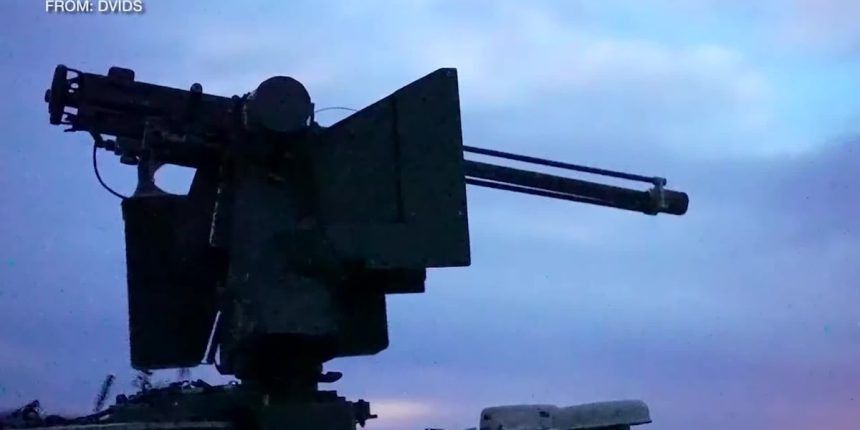
The 11th Airborne Division and the Joint Pacific Multinational Readiness Exercise
Overview of the Exercise
In the frosty embrace of Fairbanks, Alaska, the 11th Airborne Division is currently engaged in its annual Joint Pacific Multinational Readiness Exercise (JPMRC). This exercise is not just a routine military drill; it represents a crucial simulation of warfare in an Arctic environment. Here, soldiers are pushed to their limits, adapting to challenging conditions characterized by double-digit subzero temperatures, all while testing advanced technological solutions designed for extreme cold.
Unique Arctic Challenges
The severe Arctic climate poses specific challenges for military operations. Temperatures dip drastically, reaching levels that can impair the function of essential tools and equipment used by soldiers in the field. Lt. Col. Pearl Christensen, the 11th Airborne Division’s Director of Innovations, notes the importance of addressing these issues. “We work with the Army laboratories to look for those new solutions or new technologies that might help us solve those problems and still accomplish our mission,” she explains. This collaborative effort is vital for ensuring that soldiers can perform effectively, even in the harshest conditions.
Innovation Through Technology
A key component of the JPMRC is the evaluation of unmanned aerial systems (UAS). These drones have revolutionized modern warfare but face unique challenges in an Arctic setting. “We have identified some problem areas where UASs might not necessarily work as effectively in the super cold as they do in regular temperatures,” Christensen states. As a result, this year’s exercise involves a significant increase in UAS trials. Troops will integrate these aerial systems more intensively, gathering invaluable data on their performance in extreme conditions.
Collecting Feedback for Improvement
The significance of the JPMRC extends beyond a mere simulation; it is an opportunity for active learning and adaptation. As soldiers engage in realistic combat scenarios using modern technologies, they provide crucial feedback that informs future innovations. Improvements in technology and strategies gleaned from this exercise will enhance the Army’s preparedness for real-world applications. “I hope we can take that learning and change it to something positive into the future,” Christensen adds, highlighting the exercise’s potential for long-term benefits.
Looking Ahead
With the exercise scheduled to wrap up on February 26, those focused on technological innovations for the Army will begin their work based on the insights gathered. The JPMRC equips military personnel with the necessary tools and strategies to face challenges unique to Arctic warfare, ensuring that they are prepared for any situation.
In a world where climates are changing and military operations must adapt, the 11th Airborne Division’s commitment to innovation and readiness is an essential part of maintaining national security. Through exercises like JPMRC, the Army is not only testing the limits of current technology but also paving the way for future advancements that can enhance operational effectiveness in some of the world’s most challenging environments.