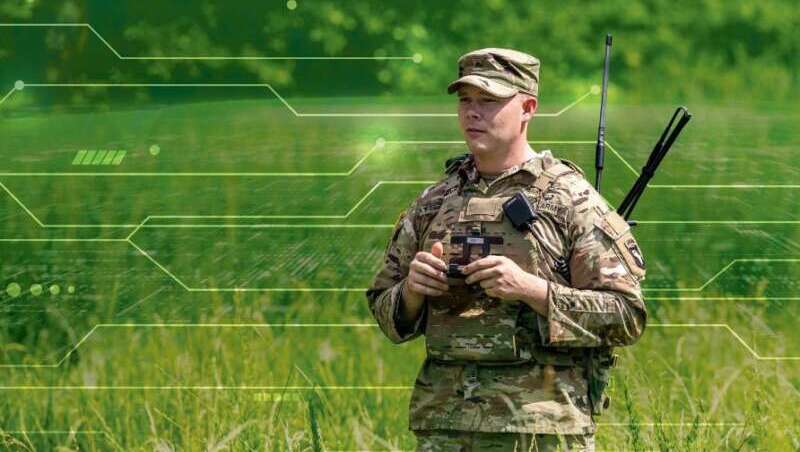
Streamlining Innovation: The U.S. Army’s Pathway for Innovation and Technology (PIT)
In an era marked by rapid technological advancements, the U.S. Army is stepping up its game to harness cutting-edge technologies more efficiently for its personnel. On February 20, Army officials unveiled their new initiative, the Pathway for Innovation and Technology (PIT), designed to simplify the acquisition process and deliver innovative solutions directly to soldiers. This initiative is a critical part of a broader push to reform the Army’s acquisition landscape, aimed at breaking down traditional silos and enhancing collaboration across various innovation units.
Breaking Down Silos
PIT aims to create a seamless flow of communication and coordination among the Army’s innovation units, including the six program acquisition executives (PAEs) who oversee funding and authority. Col. Shermoan Daiyaan, the director of PIT, emphasized the initiative’s role in consolidating efforts that have previously been fragmented. By facilitating direct discussions with PAEs, PIT cultivates a more integrated approach to turning ideas into actionable programs. “I sit at the table with the PAEs. I communicate directly with them to express what we are seeing. I also serve as a tech scout for them,” said Daiyaan. This collaborative framework allows for faster decision-making and implementation of technological solutions that can be tested in real-world settings.
Elements of the PIT Framework
At the heart of the PIT are various programs and initiatives aimed at fostering innovation. The Army’s FUZE program, Joint Innovation Outpost, and Global Tactical Edge Acquisition Directorate (G-TEAD) have established direct channels with acquisition offices. These connections enable quicker partnerships and more streamlined processes for bringing new technologies into the field. Chris Manning, the deputy assistant secretary of the Army for research and technology, stated that past approaches often involved extensive discussions about how technology would be utilized before any tangible work began. With PIT, however, the focus shifts to deploying technology into operational formations much faster, allowing soldiers to assess its practicality and effectiveness.
Engaging Innovators and End Users
Another pivotal aspect of PIT is its focus on collaboration throughout all stages of the development process. By ensuring that both innovators and end users are involved from the outset, the Army facilitates clearer communication regarding its specific needs. This inclusive strategy not only enhances the relevance of the solutions developed but also speeds up the acquisition timeline. For example, through competitions like the xTech series, companies are challenged to develop solutions that align with specific Army requirements. Winning teams receive funding and the opportunity to field prototypes with soldiers for preliminary testing, lasting anywhere from 30 to 45 days. If successful, these technologies can quickly scale through established programs, expediting the procurement of critical equipment.
Addressing Key Challenges
One of the primary areas PIT is tackling is the integration of power generation systems, particularly for unmanned aerial systems (UAS). Col. Daiyaan highlighted the necessity of a universal charger to address the ongoing challenge of incompatible batteries across various UAS vendors. Such innovations are crucial for enhancing operational efficiency and interoperability among different systems.
Collaborating with Nontraditional Contractors
Furthermore, PIT emphasizes the importance of partnering with nontraditional defense contractors and small tech startups. Col. Chris Hill, director of G-TEAD, expressed the importance of allowing the industry to address challenges without overly prescriptive solutions. “One of the things that’s key to us is unleashing the power and ingenuity of industry,” Hill noted. This approach opens the door for fresh ideas and solutions that may not emerge within traditional defense contracting paradigms, thereby enriching the Army’s technological landscape.
The Road Ahead
As PIT continues to develop, officials have indicated that there are numerous programs currently in the pipeline, though specifics remain under wraps. This ongoing evolution reflects a commitment to adapt and respond to the dynamic needs of modern military operations, ensuring that soldiers are equipped with the best resources available to meet their missions successfully.