Revolutionizing Search and Rescue: Drones in Colorado’s Backcountry
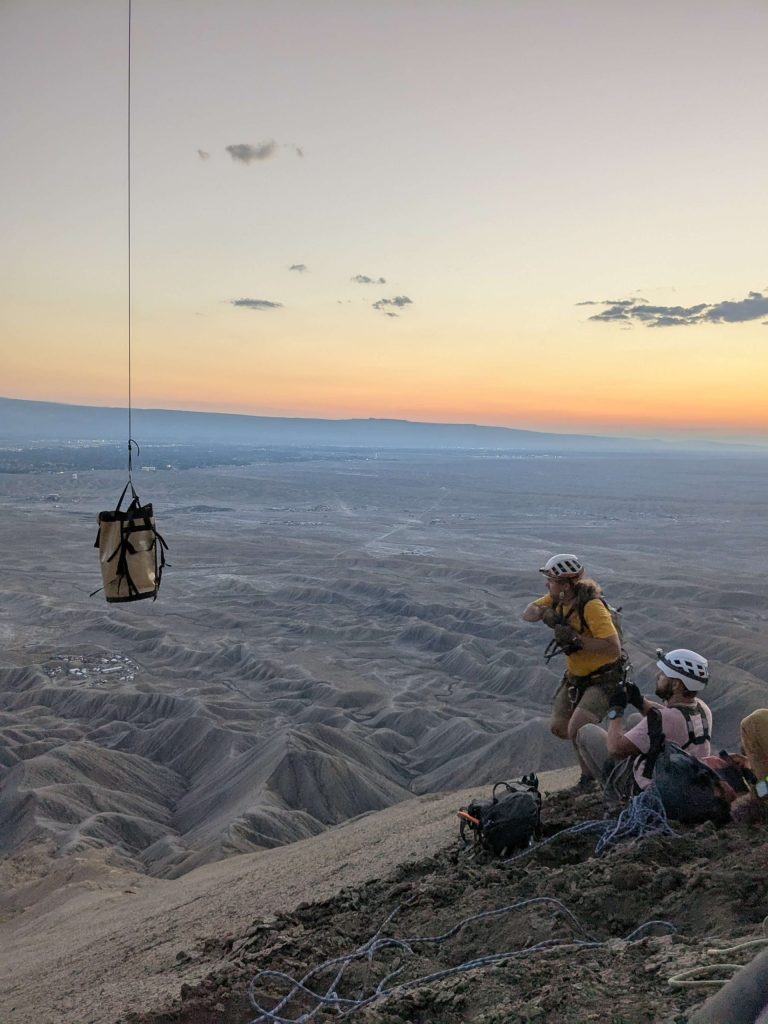
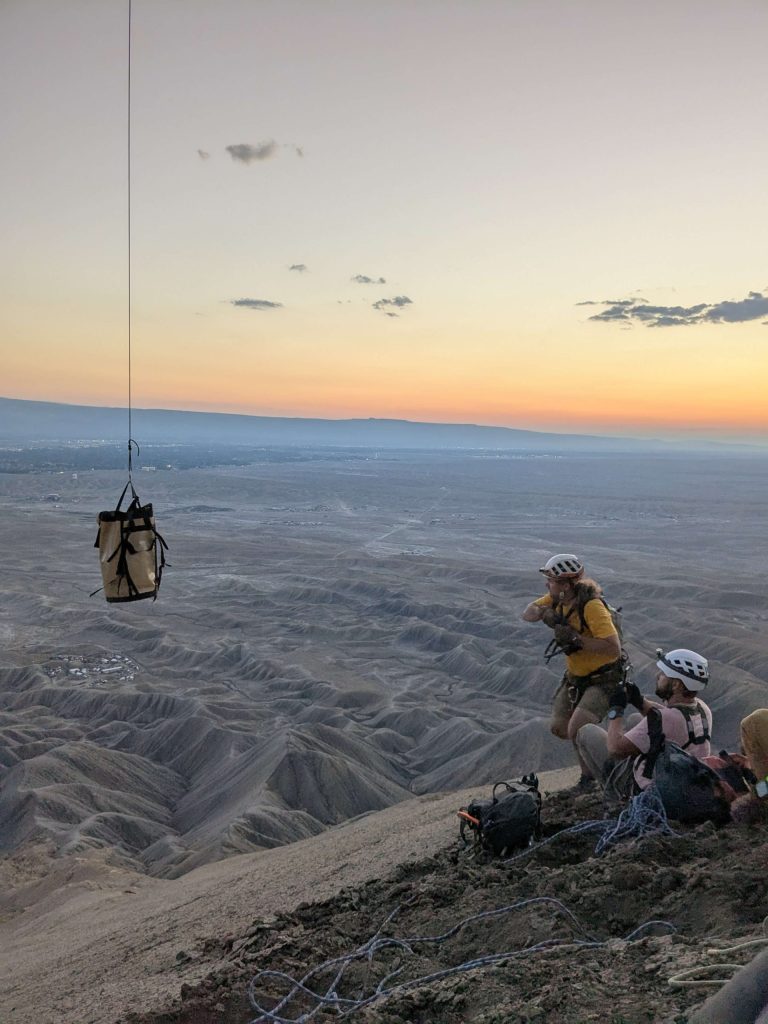
A Mesa County Search and Rescue volunteer prepares to receive a drop bag with equipment during a rescue in precarious terrain on Mount Garfield on Aug. 31, 2025. The mission involved the use of a DJI FlyCart 30 drone from the Colorado Center of Excellence for Advanced Technology Aerial Firefighting.
— Mesa County Search and Rescue/Courtesy photo
In recent years, Colorado’s search and rescue operations have undergone a profound transformation due to the integration of drone technology. These flying marvels are not merely tools for locating missing persons; they have also become crucial for delivering supplies, scouting potentially hazardous routes, and even lifting heavy equipment to challenging terrains.
Evolution of Drone Technology in Rescue Missions
Brent Cartwright, the head of Vail Mountain Rescue’s drone program, reflects on the changes in drone technology over the last five years. Initially, drones were cumbersome and complex to operate in the backcountry. Cartwright recalled the anxious moments he felt trying to assemble a bulky drone, likening it to an intricate IKEA project with multiple parts to connect.
As technology evolved, so did the operations of Vail Mountain Rescue. The organization expanded from four drone pilots to fifteen, each skilled in utilizing these gadgets across various rescue missions. This growth reflects a broader trend among Colorado’s volunteer rescue groups that have adopted drones not just to locate individuals but to enhance overall mission effectiveness and safety.
Advanced Features Enhancing Operations
The modern drone is equipped with infrared cameras and AI software, streamlining the quest to find missing individuals. Drones can provide situational awareness for mission coordinators, significantly reducing risks for rescue volunteers while also offering comfort to those awaiting help in the wilderness.
For instance, the Douglas County Search and Rescue team successfully used a drone to deliver food and water to a lost ten-year-old boy, showcasing how drones can intervene in life-threatening situations effectively.
A Technological Leap in Search Efficiency
Drones have proven incredibly effective at searching avalanche debris, mountain ridges, and riverbanks faster than human teams on foot can manage. This speed is critical in emergency situations. For instance, when a senior citizen went missing near the Colorado River, drone technology allowed Vail Mountain Rescue to locate him immediately, validating the advantages these devices bring to rescue operations.
Moreover, the introduction of AI technologies such as the Eagle Eyes Search program allows drone operators to identify color anomalies and motion within aerial images, honing in on individuals’ specific clothing colors, which aids in locating them in visually challenging terrains.
Speed and Accessibility in Rescue Operations
The expediency of drone deployment is one of its most remarkable features. Where it might take rescue personnel hours to reach a specific location, drones can swiftly traverse miles over treacherous ground in mere minutes. This capability was particularly useful in finding an 80-year-old man who was lost, demonstrating how drones can cover ground inaccessible to traditional rescue methods.
Whether responding to lost hikers or assessing potential avalanche zones, drones offer a crucial advantage without putting additional strain on human resources.
Reducing Risks for Rescuers
One primary advantage of using drones in search and rescue operations is the ability to minimize risks for rescue teams. For example, during a grueling body recovery on Mount Garfield, rescuers faced precarious conditions that made it impossible for them to carry necessary equipment. By collaborating with the Colorado Center of Excellence for Advanced Technology Aerial Firefighting, they utilized a heavy-duty DJI FlyCart 30 drone. This innovation allowed them to transport essential gear directly to the scene, greatly enhancing both efficiency and safety for the rescuers involved.
Training and Integration Efforts
As drones become a staple in the toolkit of search and rescue organizations, dedicated training sessions have been organized statewide. Collaboration among teams occurs regularly, with platforms like Discord being utilized to streamline the sharing of experiences, techniques, and troubleshooting solutions.
Training not only helps in using the drones accurately but also fosters better communication amongst rescue teams. With the high stakes of their work, these courses are essential in ensuring that everyone is prepared to face the challenges of mountain rescue missions.
Looking Ahead: The Future of Drones in Rescue Operations
As drone technology continues to improve, the potential applications for these gadgets in search and rescue contexts only seem to expand. Rescue groups expect to develop and refine techniques that could further enhance their operations. For instance, the prospect of drones carrying litters or ropes directly to rescue sites remains an exciting development on the horizon.
The successful use of drones in various missions has already inspired imagination and innovation in the field. Drones could be integrated with real-time location tracking systems and video livestream capabilities to enhance mission coordination dynamically.
In conclusion, the integration of drones in Colorado’s search and rescue operations marks an essential step forward in combining technology with lifesaving efforts. As organizations evolve to embrace these innovations, they are not only increasing their efficiency but are also poised to save more lives in the face of adversity.