
A Shaky Debut: The Launch of Club Darc
Hopes High, Sound Low
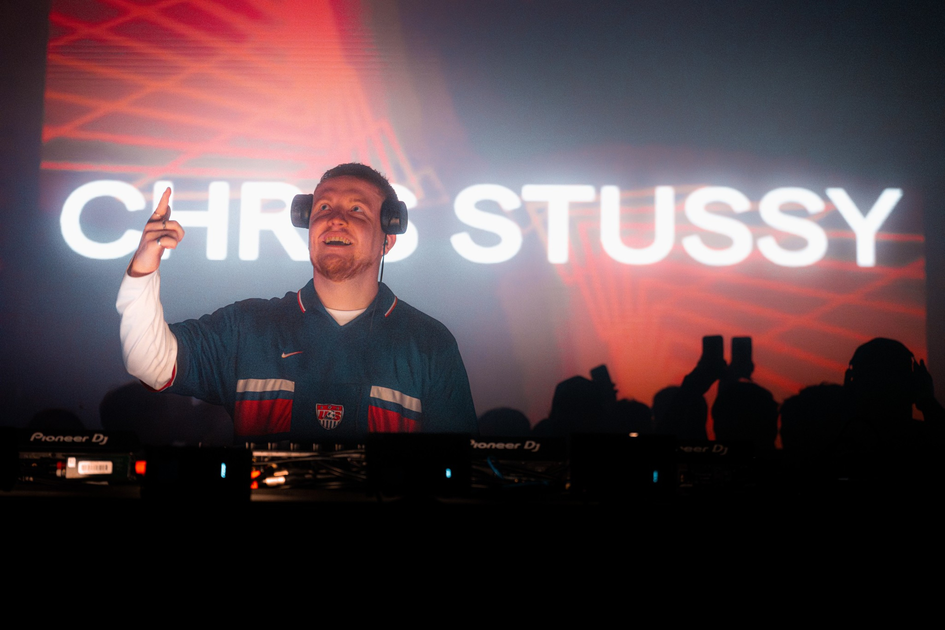
Club Darc burst onto the electronic music scene recently, boasting a lineup that included industry heavyweights like Chris Stussy, DJ Tennis, and DJ Seinfeld. Promoted by Coachella’s Goldenvoice, the event took place at Shed A, a vast warehouse located at Pier 48 in Mission Rock. With tickets sold out and the shimmering allure of significant names on the bill, anticipation hung in the air. Notably, Mayor Daniel Lurie expressed his excitement for the event, a testament to its expected impact on the local music culture.
However, the enthusiasm quickly turned sour by Saturday morning. Word spread like wildfire that the sound quality at the debut event was severely lacking. This feedback coming from an audience eager to revel in a vibrant electronic atmosphere was particularly disheartening.
Echoes of Discontent
Attendees like Lukasz Jagiello voiced their frustrations, candidly describing their experience as a major letdown. “It was like listening to a concert from blocks away,” he lamented, revealing that even standing near the DJ booth didn’t guarantee a clear connection to the music. Instead of the immersive auditory journey expected at an EDM event, concertgoers found themselves surrounded by a chaotic blend of crowd noise, causing a discordant backdrop to the beats.
“Basically a money grab,” Jagiello concluded, capturing a sentiment felt by many. The expectation that sound quality would at least meet a standard threshold had turned into a glaring disappointment for the passionate audience.
Lost in the Mix
The echoes of dissatisfaction resonated among other attendees as well. Jordan, a fellow partygoer, reported a cacophony that compromised the overall experience. He noted the bass was virtually non-existent, while the higher frequencies became piercingly harsh. Mids—the essential bridge that brings tracks to life—were mysteriously swallowed up, leaving attendees feeling as if they were surrounded by an indistinct wash of noise rather than a carefully curated soundscape.
Caleb, another frustrated fan, shared his struggles. After just two and a half hours, he had managed to grasp only a hint of one song. “When people are locked into good music, they shut up and dance,” he observed. Instead, the sparse melodies were drowned out by chatter, detracting from the intended energy of the performance.
Social Media Outcry
The outpouring of discontent didn’t just stay within the warehouse walls. Social media erupted with complaints, with many users bombarding Club Darc’s Instagram page to voice their displeasure. “You won the worst show,” read one comment, while others demanded immediate sound adjustments. For many, attending the event was more than a one-off experience; they had invested in multiple evenings of the series that runs through mid-May, and they wanted assurance that improvements would be made.
As some began seeking refunds for their pricey tickets—priced around $70 to $80—others found themselves reconsidering their future attendance plans. Caleb, who had tickets for a forthcoming event, indicated he would rather sell than risk another disappointing evening.
Expert Insights on Acoustics
Concerns voiced by the audience aren’t uncommon for the inaugural events in large, unfamiliar venues. Audio engineer Gavin Smith explained that first-night sound calibration is often a major hurdle. Particularly in warehouses, the acoustics can present significant challenges due to their reflective surfaces, which can cause unpredictable sound bouncing.
Smith emphasized that achieving the right sound in such settings demands special attention: “You can have a great sound system in a good space, but if the room doesn’t support the sound, you’re in trouble.” A warehouse with concrete floors and metal ceilings amplifies sound reflection, complicating the mix, and turning an ideal dance experience into an unintelligible muddle.
A Learning Curve Ahead
The issues at Club Darc could be chalked up to the steep learning curve that comes with new venue setups. Smith narrated a similar experience from the early days of the Portola Festival, another undertaking by Goldenvoice grappling with sound issues in a warehouse setting. “It’s almost like being in a cave,” he elaborated, explaining how echo can mask the clarity required for a vibrant show.
Still, there’s hope for improvement. Audio engineers often learn the nuances of a venue over time and adapt the sound systems accordingly. Smith suggested that as the series progresses, the sound quality at Club Darc should improve, allowing Goldenvoice to continue its legacy of providing high-quality musical experiences.
Conversations Echoing in San Francisco
Audience members like Jordan drew parallels between the Club Darc opening and other recent San Francisco events that left attendees feeling let down, such as the highly publicized Red Bull F1 showrun. Both events had sparked immense public interest, only to have expectations fade amid disappointment. Yet unlike those fleeting spectacles, Club Darc may still have the chance to transform its first impressions into a lasting, high-energy experience for future attendees.
A Growing Pains Retrospective
Navigating through the complexities of sound in a new venue can be daunting. For Club Darc, the feedback received from its opening night may serve as a crucial stepping stone. As organizers address the complaints and implement corrective measures, attendees hope that future events will deliver the electrifying experience they anticipated. The question remains whether Club Darc can transform initial disappointment into a shining beacon of San Francisco’s electronic music scene.

![Carl Cox Reveals All Night B2B Set with David Guetta at Ibiza’s [UNVRS]](https://beatmag.tv/wp-content/uploads/2026/03/20250914_UNVRS_Carl_Cox_0063_5000x4000px_-scaled.webp-150x150.webp "Carl Cox Reveals All Night B2B Set with David Guetta at Ibiza’s [UNVRS]")