
Bypassing Hormuz: How Technology, Not Territory, Will Win the New Energy War
The Strait of Hormuz has long been a crucial chokepoint in global oil supply, with a significant portion of the world’s oil passing through its narrow waters. Control over this maritime gateway has historically equated to power. However, as we step into a new era defined by technological advancements and the evolving energy landscape, the old adage that owning geography means owning power is increasingly under scrutiny. Instead, technology—particularly in energy production and distribution—is set to redefine the dynamics of power in the energy sector.
The Geopolitical Significance of the Strait of Hormuz
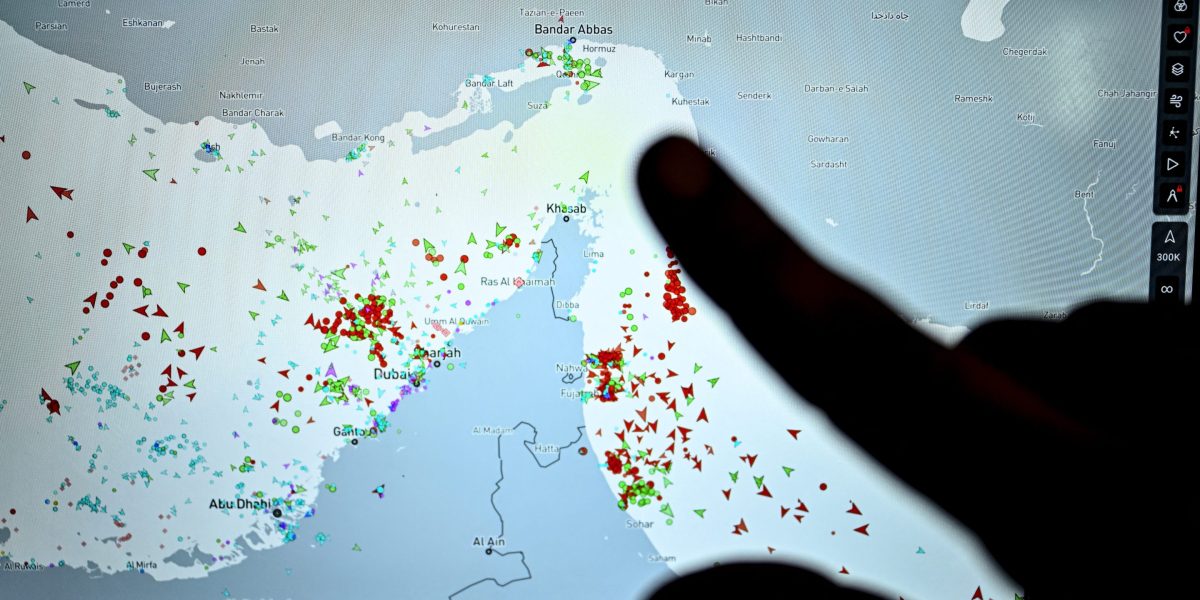
The Strait of Hormuz connects the Persian Gulf to the Arabian Sea and serves as the conduit for about 20% of the world’s oil supply. Its geopolitical significance cannot be overstated, as nations both near and far have vested interests in the flow of oil through these waters. When tensions rise, such as in recent conflicts involving Iran—a country that exerts considerable influence over the waters of the Strait—there is a ripple effect across global markets. Yet, this reliance on a geographical point for energy security is beginning to falter as new technologies emerge.
The Rise of Renewable Energy Technologies
One of the most impactful shifts in the energy sector has been the rapid growth of renewable energy technologies. Solar power, wind energy, and battery storage are revolutionizing how we think about energy production and distribution. Unlike oil, which is limited by geography and often requires complex infrastructural networks for transport, renewables can be harnessed in diverse locations, freeing them from traditional geopolitical constraints.
Countries are investing heavily in energy independence via sustainability initiatives. For instance, nations like Saudi Arabia and the UAE are diversifying their energy portfolios beyond oil, focusing on large-scale solar and wind projects. This trend disrupts the control narrative dictated by the Strait of Hormuz, as nations no longer need to rely solely on oil transported through narrow maritime routes dependent on geopolitical stability.
Digital Transformation in Energy Management
Digital transformation is another pivotal aspect of this new energy war. Technologies such as blockchain, IoT (Internet of Things), and AI (Artificial Intelligence) are reshaping how energy is managed, distributed, and consumed. Smart grids powered by AI improve efficiency by predicting energy demands and automatically adjusting supply accordingly. Blockchain technology enhances transparency and security in transactions, enabling peer-to-peer energy trading. This shift from centralized to decentralized energy systems reduces vulnerabilities traditionally linked to specific territorial controls.
For example, community-based solar programs allow neighborhoods to generate, consume, and trade energy amongst themselves. This localized production diminishes the strategic importance of traditional supply routes, including those through Hormuz.
The Emergence of Hydrogen Fuel
Hydrogen fuel technology is gaining traction as a clean alternative to fossil fuels. It offers the potential for energy storage and serves as a fuel source that can power everything from vehicles to industrial processes without carbon emissions. Given that hydrogen can be derived from various feedstocks, including water and natural gas, its production can be decentralized. Countries rich in renewable energy may produce hydrogen locally, again diminishing reliance on specific geographical locations like the Strait of Hormuz.
Several nations, including Japan and Germany, have laid out comprehensive plans to develop hydrogen economies. Their goal is to create systems that allow for the easy transport of hydrogen directly to energy markets, sidestepping the challenges associated with global oil transport through geopolitically sensitive regions.
Investment in Energy Technologies Over Territorial Control
Investment trends reflect a shift from traditional energy infrastructures tied to territorial power dynamics. Companies and governments are increasingly pouring resources into the development of advanced energy technologies and infrastructure.
Private sector innovation in energy technology is prolific. Companies are working on advanced materials for solar panels, next-gen wind turbines, and efficient battery technologies to support the energy transition. This ongoing technological evolution signals a profound shift in how energy will be produced, distributed, and consumed in the future.
Moreover, technologies such as carbon capture and storage (CCS) are being developed to mitigate the impacts of fossil fuels while transitioning to greener alternatives. As countries prioritize sustainability and energy security, the focus is gravitating toward technological prowess that transcends territorial limitations.
Future Energy Security and Technology
As we look ahead, energy security will likely be defined less by geographical dominance and more by technological innovation. Companies and countries that lead in energy technology will wield influence and negotiation power in the global arena.
Given the volatile dynamics in the Persian Gulf, including ongoing tensions with Iran, the strategic importance of places like the Strait of Hormuz will endure. Still, the old adage equating geographic control with power is becoming less relevant. The future is leaning toward tech-driven energy independence that will allow countries to thrive, irrespective of traditional territorial disputes.
In this new energy war, success will depend on investment in technology rather than the manipulation of geography. As the world moves towards focusing on sustainable and renewable energy, the complex interplay of geopolitical power dynamics is set to be rewritten fundamentally, illuminating a future where technology—not territory—will reign supreme in energy discussions.