
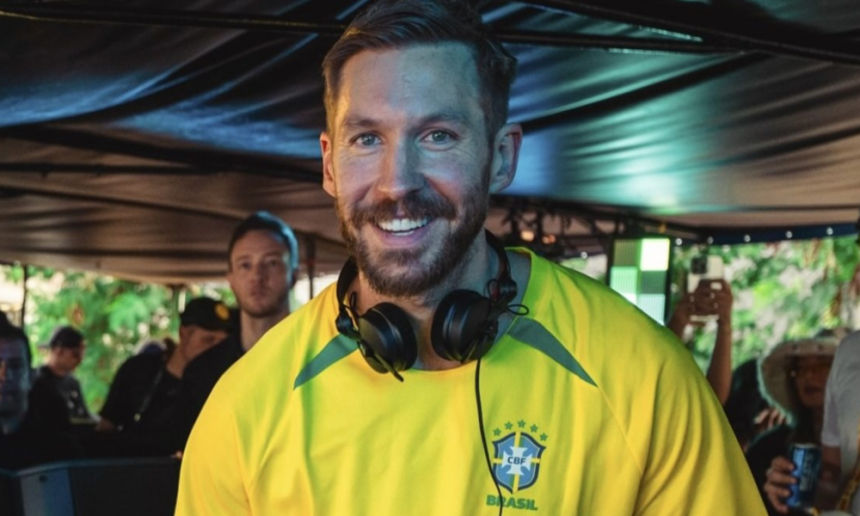
Calvin Harris Makes History at Rock in Rio 2026
On September 6, 2026, Calvin Harris etched his name into the annals of music history by becoming the first DJ to close Palco Mundo as the headliner at Rock in Rio. This significant milestone coincided with his inaugural appearance at the festival, taking place exactly 25 years after Rock in Rio first introduced a dedicated area for electronic music. What began as a simple electronic music tent in 2001 has now evolved into a robust celebration of electronic sound, culminating in this groundbreaking performance at one of the world’s most renowned music festivals.
The Evolution of Electronic Music at Rock in Rio
Rock in Rio’s journey into the realm of electronic music began modestly in 2001 when it launched a dedicated electronic music tent, allowing DJs and electronic artists to showcase their talents amidst the festival’s broader rock-centric lineup. Over the years, electronic music has consistently returned, gradually building its presence until the establishment of the New Dance Order stage, which became the hallmark of the festival’s electronic offerings.
Fast forward to 2026, and the New Dance Order stage has transformed dramatically. Now boasting impressive dimensions—56.5 meters wide and 22.5 meters high, complete with over 500 square meters of dazzling LED panels—it stands as a testament to the genre’s monumental growth in popularity. Electronic artists are not relegated to a single stage; they appear throughout the festival, with prominent figures like Alok even gracing the main Palco Mundo stage.
The Pioneers of Electronic Music at the Festival
Before Calvin Harris claimed the prestigious closing slot, several notable artists had already adorned Palco Mundo with their electronic magic. Icons like David Guetta, Alok, and Marshmello had paved the way, demonstrating the genre’s capacity to draw large crowds and dominate the festival scene. Yet, until Harris’s performance, the role of a DJ as the final act had not been fulfilled, making this an unprecedented moment in festival history.
A Diverse Musical Lineup
The 2026 edition of Rock in Rio showcased a rich tapestry of musical genres over its seven-day run, featuring a lineup that integrated rock, pop, hip-hop, K-pop, and electronic music. With headliners such as the Foo Fighters, Elton John, and Maroon 5, the festival maintained its eclectic nature while embracing a broad spectrum of musical tastes. In the midst of this diverse lineup, Calvin Harris emerged to deliver electronic music’s first-ever closing headline slot on Palco Mundo, summoning a wave of excitement among fans eager for his energetic and crowd-pleasing beats.
Calvin Harris’ First Rock in Rio Headlining Set
Calvin Harris’s much-anticipated set reflected his extensive portfolio, seamlessly merging electronic music with global pop influences. Throughout his career, he has collaborated with powerhouses like Rihanna, Dua Lipa, Ellie Goulding, and The Weeknd, yielding some of chart history’s most enduring dance tracks.
During his electrifying performance, he revisited some of his most popular hits, including “One Kiss,” “This Is What You Came For,” and “How Deep Is Your Love.” Each song resonated with the charged atmosphere of the festival, connecting deeply with the audience and creating a memorable experience. The charismatic display reminded everyone why Harris is one of the foremost names in contemporary electronic music.
Bridging the Past and Present
The significance of Calvin Harris closing Palco Mundo on that historic night extends beyond mere statistics. His performance symbolically bridged a gap between 2001 and 2026, connecting the initial humble beginnings of electronic music at Rock in Rio with its current status as a vital part of the festival’s identity. In celebrating the 25 years since the festival’s first electronic music tent, Harris’s set affirmed how far the genre has come, solidifying its integral place in the Rock in Rio legacy.
As fans danced under the electrified sky, this milestone performance did not merely mark a passing moment in time; it was a celebration of community, music evolution, and the exhilarating journey of electronic music at one of the most iconic festivals in the world.