
China’s Ambitious Path Forward: Analyzing the Upcoming Five-Year Plan
Innovative Groundwork: A Prelude to Transformation
In recent years, China has devoted significant resources to cultivating innovation and advancing technology domestically. As the nation looks ahead, the upcoming five years will be pivotal for deploying these innovations to transform its economy and global standing. The first significant announcement of these ambitions is anticipated during the “Two Sessions” in Beijing, where thousands of delegates will converge to outline the government’s priorities for the year ahead.
This annual meeting is not just a formal political gathering; it represents the core of China’s tightly controlled political process. It’s a moment when Beijing’s leadership reaffirms its agenda at a time when the U.S. finds itself grappling with partisan strife and international conflicts. The ceremonies surrounding the event symbolize the authoritarian nature of China’s governance and its intent to present a stable face to the world.
The Blueprint Ahead: The 15th Five-Year Plan
At the forefront of this year’s agenda is the endorsement of the 15th “Five-Year Plan,” a comprehensive strategy that will dictate the direction of China’s economic growth for the next decade. Crafted by Xi Jinping’s inner circle, this plan represents a consensus on how to harness the country’s technological advancements to foster economic resilience.
During the meeting, nearly 3,000 members of the National People’s Congress will approve this strategic document, likely incorporating feedback from lawmakers. The ceremonial vote is often broadcasted nationwide, emphasizing its importance in affirming governmental unity and direction.
Trends in Technology and Economic Dynamics
Emboldened by recent achievements, such as the rise of AI startups and the success of EV manufacturers on the global stage, China aims to further integrate these innovations into its economic framework. Beijing recognizes the critical juncture at which it stands—poised between risks and opportunities defined by a shifting world order, evolving technologies, and domestic economic challenges.
The geopolitical landscape is in flux, with the U.S. demonstrating increasing unpredictability in its policies. Simultaneously, China’s economy shows signs of slowing growth amid a shrinking population. As trade frictions with the U.S. continue, worrying developments in the Middle East add layers of complexity to the international context that will influence China’s strategic decisions.
Historical Context: The Legacy of Five-Year Plans
China’s five-year planning system, rooted in Soviet strategies, has been essential for aligning its extensive bureaucracy and the aspirations of its 1.4 billion citizens. Since the last plan in 2021, China has experienced significant challenges, including stringent Covid-19 regulations and a protracted property sector crisis, which has hampered consumer confidence.
Despite facing these hurdles, recent initiatives have fostered considerable advancements in homegrown technologies. The focus on self-sufficiency, particularly in the tech sector, is indicative of a broader effort to reduce reliance on foreign innovations.
Navigating Technological Challenges and Aspirations
Experts note that while China faces challenges in high-tech areas like semiconductors, its overall confidence in innovation is palpable. Xi’s next Five-Year Plan seems poised to shift from a reactive stance to a proactive one, prioritizing breakthroughs in critical technologies that are instrumental for industrial advancement.
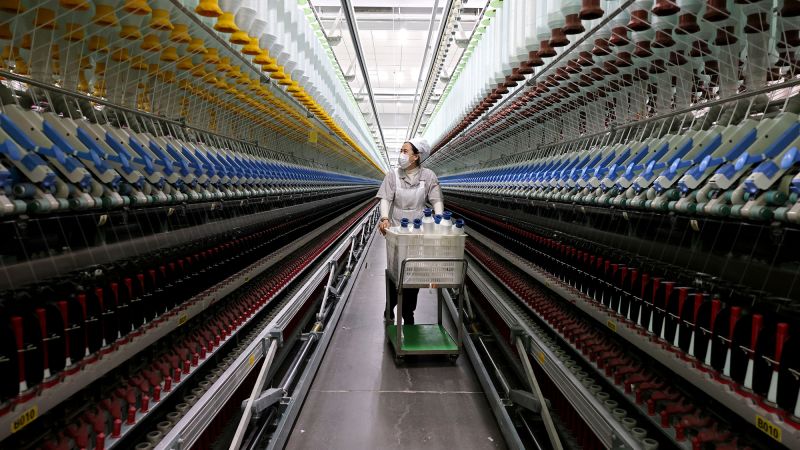
China’s ambitions include focusing on future industries such as quantum technology, biomanufacturing, and hydrogen energy. Observers expect this plan to emphasize not just fostering innovation but also implementing it on a grand scale across the country’s manufacturing landscape.
Workforce Considerations and Socioeconomic Dynamics
As China implements these ambitious goals, government officials recognize the need for a skilled workforce capable of adapting to new technologies. This acknowledgment hints at an investment in education and training essential for realizing a domestically driven, high-tech future.
Moreover, the plan must contemplate economic vulnerabilities like weak domestic consumption and the implications of a declining birthrate, which could hinder long-term growth.
Shifting Economic Perspectives: Domestic and Global Roles
The plan aims to bolster domestic demand while also enhancing China’s global economic role. Rather than merely being a manufacturing hub, Beijing intends to position China as a supplier of technological expertise and innovations to other nations.
In doing so, the focus will likely shift from exporting finished goods to providing countries with advanced technologies that they can integrate into their economies. This encompasses a broader geopolitical strategy, positioning China not just within the global market but as a leader in technological innovation.
Addressing Global Concerns: The Image of Chinese Innovation
In the wake of concerns regarding China’s authoritarian governance and its implications for global technology adoption, this upcoming plan may present a counter-narrative. Beijing will strive to project an image of its innovations as beneficial contributions to the global community, seeking to reshape perceptions while reinforcing its technological prowess.
These ambitions underscore China’s desire not only to transform its own economy but also to shape its role within an international landscape increasingly defined by rapid technological transformation and geopolitical rivalry.
Through these multifaceted strategies, China stands at a significant crossroads, where the fusion of innovation and economic policy will define its trajectory on the global stage for years to come.