Understanding the Call for Greater Vigilance in Cancer Prevention in China
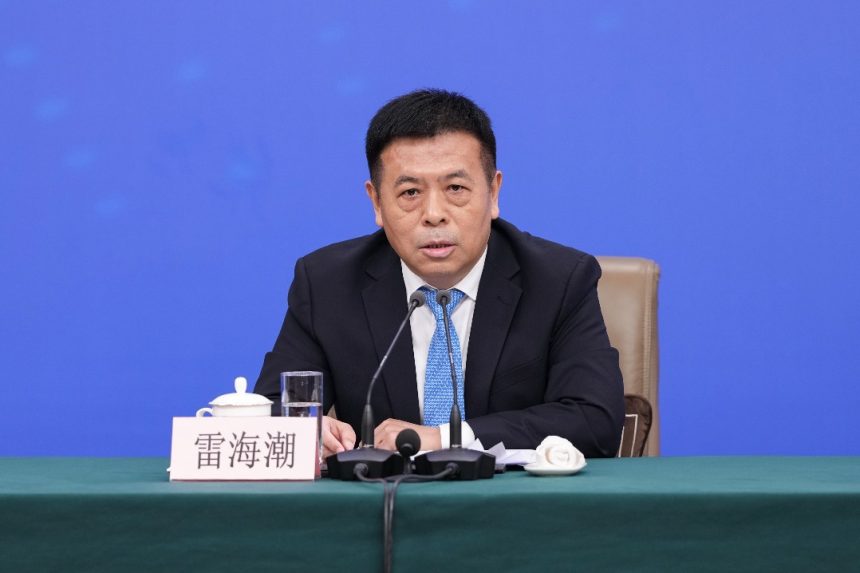
In recent discussions surrounding public health, cancer prevention has become a focal point, particularly in China. During a news conference tied to the fourth session of the 14th National People’s Congress, Lei Haichao, the Minister of the National Health Commission, emphasized the urgent need for citizens to adopt healthier lifestyles and engage in regular screenings. His messages resonate not only with health professionals but also with everyday individuals seeking to protect their well-being.
The Importance of Early Detection
At the heart of Lei Haichao’s address was a crucial message: cancer, while a significant health concern, is much more manageable when detected early. Unfortunately, many patients often find themselves diagnosed only after the disease has advanced to mid- or late stages. This delay poses substantial challenges for effective treatment, leading to poorer outcomes and skyrocketing medical costs. The minister highlighted that the key to managing this daunting disease lies firmly in prevention and early screening.
The Role of Healthy Lifestyles
A pivotal aspect of cancer prevention lies in our everyday choices. Lei pointed out several unhealthy habits that significantly increase the risk of developing cancer. Smoking, excessive alcohol consumption, poor dietary choices, and a sedentary lifestyle were flagged as major contributors to the rising incidences of various cancers. Thus, citizens are encouraged to adopt self-regulation in their lifestyles, recognizing that proactive steps can substantially decrease their risk and lessen the overall disease burden on society.
Personalized Screening Recommendations
In his effort to provide actionable advice, Lei Haichao outlined specific screening protocols tailored to different risk categories. For example, individuals aged 50 and older who have a history of smoking or a familial risk of lung cancer should consider undergoing annual low-dose CT scans. Similarly, those at risk for colorectal cancer are advised to schedule colonoscopies every three to five years. Additionally, individuals over 45 who have a history of heavy alcohol consumption or persistent gastric issues should think about regular gastroscopy procedures.
These recommendations underline the importance of personalized health care strategies, encouraging individuals to consult with medical professionals to determine the best course of action based on their unique health backgrounds.
Understanding Genetic Factors
A particularly poignant part of Lei’s address was the emphasis on family history concerning cancer diagnoses. He remarked on the hereditary characteristics that tumors often exhibit. If there’s a history of tumors among grandparents, parents, or even peers, this should be viewed with utmost seriousness. The recognition that cancer can be influenced by genetics underscores the importance of personalized monitoring and screening, serving as an essential reminder for families to discuss their health histories openly.
The Collective Responsibility
The message from Lei Haichao extends beyond individual responsibility; it underscores a collective duty to foster a healthier society. By raising awareness about cancer prevention and encouraging early screening, the health commission aims to cultivate a culture where citizens actively engage in their health battles. This is not merely a one-time call for action but a push towards a sustained commitment to health and wellness.
Engaging the Public
In an age where health information is readily available, public engagement in preventive measures is vital. The National Health Commission’s focus on education around cancer risks and preventive strategies is commendable. Initiatives that resonate with the public can lead to healthier choices and, ultimately, lower cancer rates. Engaging citizens through outreach programs, community health events, and informative campaigns can help bridge the gap between medical advice and public action.
Conclusion
The conversations led by health officials like Lei Haichao serve as a significant catalyst for change. They remind us that proactive health measures, informed decision-making, and awareness are keys to combating cancer effectively. As citizens, embracing these recommendations can help us pave the way to a healthier future—not just for ourselves but for generations to come.