China’s Urgent Call for Cancer Prevention: The Importance of Early Detection
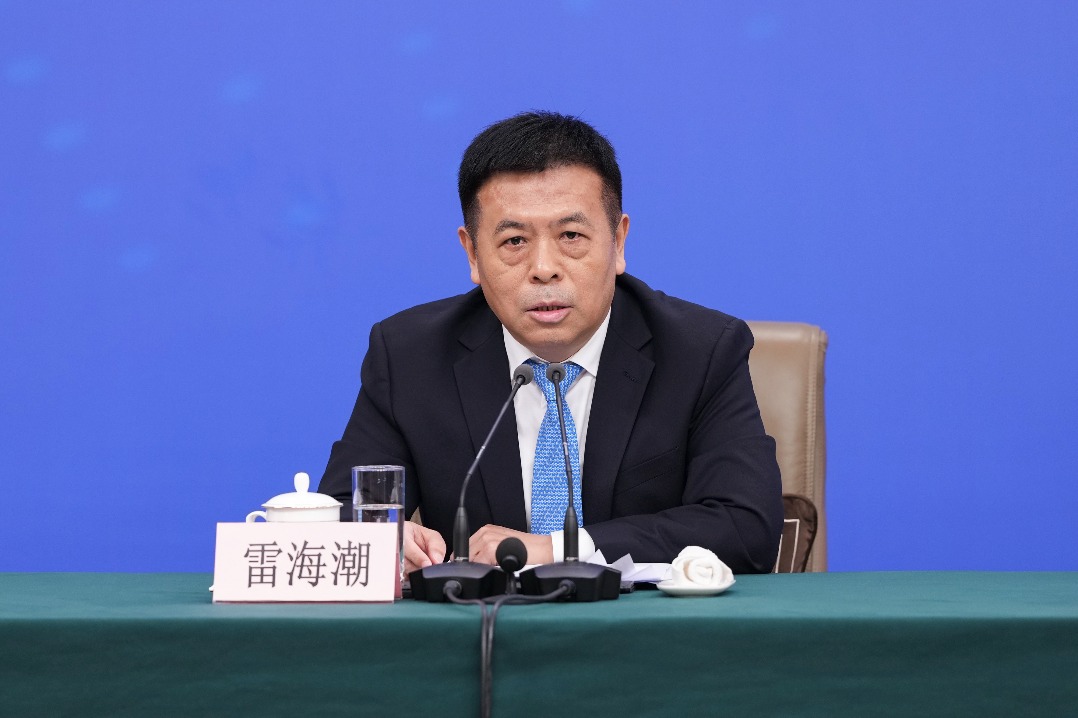
China’s top health official has issued a compelling message regarding cancer prevention, urging citizens to take proactive steps in their health. During a recent news conference at the fourth session of the 14th National People’s Congress, Lei Haichao, Minister of the National Health Commission, emphasized the significance of adopting healthier lifestyles and undergoing regular screenings, stating that early detection is vital in addressing cancer effectively.
The Landscape of Cancer in China
Cancer has emerged as a critical health concern across the globe, and China is no exception. It has become one of the leading causes of mortality in the country, with millions diagnosed each year. However, Lei reassured the public that while cancer can be daunting, its threat diminishes significantly when detected early. He aptly noted, “The key lies in prevention and early screening,” highlighting the necessity for more people to become aware of their health risks.
The Need for Public Vigilance
Despite the increasing incidence of cancer, many patients find themselves diagnosed only when the disease has progressed to mid or late stages. This late detection not only complicates treatment but also escalates costs and reduces the likelihood of successful outcomes. Therefore, Lei’s call for greater public vigilance is both timely and crucial. By embracing a proactive approach to health, individuals can significantly lower their risk of developing serious health conditions.
Identifying Risk Factors
The Minister pointed out several unhealthy habits that contribute to cancer risk, including smoking, excessive drinking, a poor diet, and physical inactivity. These lifestyle choices can profoundly impact one’s risk profile, underscoring the importance of self-regulation and personal accountability in health. By steering clear of known risk factors, individuals can not only improve their overall well-being but also contribute to a decrease in the national cancer burden.
Screening Recommendations: A Targeted Approach
To combat cancer effectively, Lei also provided tailored screening advice for various demographics. These recommendations are aimed at identifying and addressing potential problems before they escalate:
-
Smoking History and Lung Cancer Risk: For individuals aged 50 and above with a history of smoking or a family history of lung cancer, annual low-dose CT scans are recommended. This early intervention can lead to the timely detection of lung anomalies that may develop into cancer.
-
Colorectal Cancer Screening: Those at risk for colorectal cancer should consider having a colonoscopy every three to five years. Regular screenings can help identify precancerous polyps and early-stage tumors, increasing the chances of successful treatment.
-
Gastric Health Monitoring: Individuals aged 45 and over with heavy alcohol consumption or known gastric issues would benefit from regular gastroscopies. This approach allows for close monitoring of the stomach and surrounding tissues, providing a safeguard against potential malignancies.
Understanding Hereditary Risks
Another critical aspect Lei emphasized was the hereditary nature of certain cancers. He pointed out that if a tumor has been diagnosed among grandparents, parents, peers, or the next generation, it should be taken with the utmost seriousness. Genetic factors play a significant role in cancer risk, making awareness and early action even more essential for those with family histories of the disease.
Promoting Healthier Lifestyles
Emphasizing a shift towards healthier living, Lei Haichao encourages citizens to adopt habits that can drastically reduce their risk of cancer. This includes not only avoiding harmful substances but also embedding physical activity and nutritious eating into daily routines. By making informed choices, individuals can reclaim their health and well-being, collectively contributing to a healthier society.
By placing a spotlight on these pressing issues, the health official’s message serves as a wake-up call to citizens across China. Empowered with knowledge and practical strategies, individuals can safeguard their health and combat the pervasive threat of cancer in a proactive and informed manner.