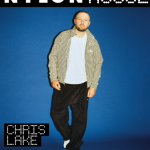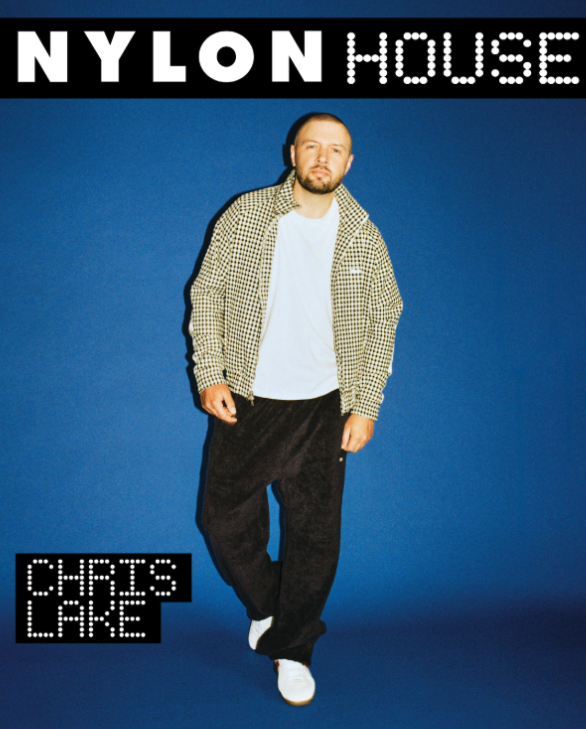
Chris Lake is undeniably riding high in his career, and yet there’s an unexpected nuance to his recent reflections on the dance music scene. In a thought-provoking interview with NYLON, the house music icon shares both his triumphs and concerns, offering an insightful critique of a genre he has significantly impacted.
In 2025, Lake reached noteworthy milestones that many artists only dream of achieving over their lifetimes. He received his first Grammy nomination and released his eagerly awaited debut album, Chemistry. Adding an intriguing twist to his year, he found himself remixing a track by none other than Taylor Swift, a collaboration that caught many by surprise. The request extended by Swift and NFL superstar Travis Kelce for their song ‘Opalite’ highlighted a unique crossover that introduced Lake’s music to a freshly minted audience of Swifties unfamiliar with Black Book Records, his label.
What sets Lake’s recent profile apart from the typical promotional fluff is the candidness with which he addresses the current state of house music. He voices a growing concern that the dance music scene, which he helped shape, is becoming overly reliant on nostalgia and algorithm-driven sounds. In his view, over 90% of house music seems to be a rehashing of old ideas, lacking the originality that once defined the genre. This critique is particularly striking when juxtaposed with his own recent work, such as his new single ‘Long Jacket,’ a modern reinterpretation of Cake’s 2001 hit ‘Short Skirt/Long Jacket.’
Lake doesn’t shy away from acknowledging his role in this trend, admitting that he occasionally contributes to it himself. He likens the repeating patterns in music production to the initial thrill of AI-generated content, which soon becomes predictable and devoid of substance. However, he emphasizes that live performances continue to thrive, delivering a raw energy and authenticity that recorded music sometimes lacks. According to him, these shows have become more ambitious and fulfilling, providing an emotional connection that spurs audiences into a collective experience.
The interview also journeys through Lake’s evolution as an artist, from his breakout single ‘Changes’ in the 2000s to contemporary hits like ‘Operator (Ring Ring)’ and ‘Turn Off the Lights.’ Beyond his personal success, he has taken on a new role in running Black Book Records, where he is dedicated to nurturing emerging talents rather than solely focusing on his own music. This shift reflects a more holistic approach to the music industry, one that seeks to uplift the next generation of artists.
In discussing Chemistry, Lake reveals that the album was an all-consuming project, taking three years of his life in terms of creativity and execution. This deep commitment to his work has made 2026 a surprisingly low-key year for him, as he shifts the focus to promoting his previous releases. Despite this, his collaborative spirit remains alive, as seen in tracks like ‘Party Time’ with Tiga and Aatig that continue to emerge from his creative endeavors.
Lake’s introspection is evident, yet he is unfazed. With a packed schedule of fall festival appearances, he is balancing live performances with new music, now free from the pressures of an album rollout. For further insights, including more on his Grammy nomination and perspective on collaboration, the full conversation can be explored on NYLON’s site.