
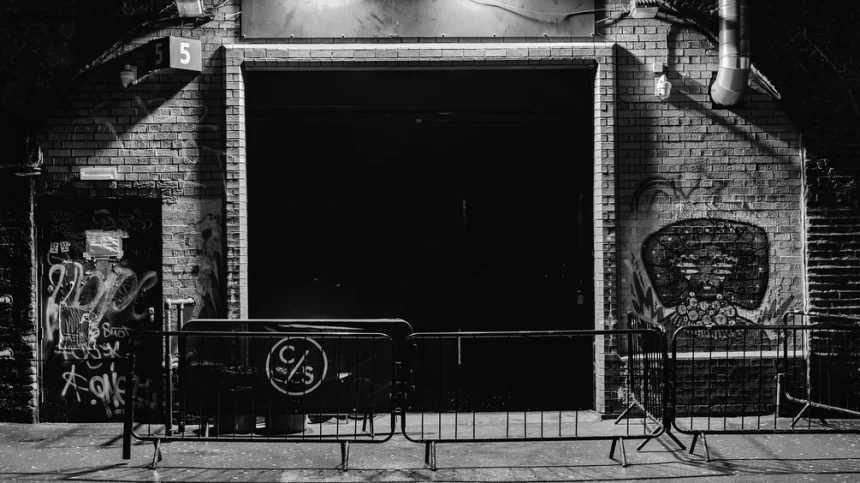
The Origins of Corsica: An Arts Space That Evolved into a Cultural Hub
Nestled in the heart of North London, Corsica originally opened its doors on Corsica Street in Highbury in the early 2000s, initially thriving as a unique art space. Created by the visionary artist Amanda Moss and the experimental musician Adrian Jones, the venue was designed to resemble a gallery rather than a conventional nightclub. The white-painted walls and open layout fostered a creative environment, serving as a canvas for performance art, sculptures, and a backdrop for an eclectic mix of electronic music. According to Posthuman, a DJ who founded the I Love Acid party at Corsica in 2007, the vibe was “warehousey,” setting the stage for a captivating blend of art and music.
Transition to Elephant and Castle
In 2002, Corsica made a pivotal move south to Elephant and Castle, but the essence of the space remained intact. The now-familiar white paint job carried over, and the vision for a community-focused arts venue persisted. Throughout the early 2000s, Corsica gradually began to embody the characteristics of a club, yet it remained a hub for artistic endeavors. This transformation was not merely cosmetic; it was driven by the need to generate revenue through bar sales—one of the few financial lifelines that enabled the continued support of the artistic programming.
A DIY Aesthetic
When Jamie Shearer became Corsica’s general manager in February 2011, he brought his own perspective from working in clubs across Brighton. Reflecting on his first encounter with the venue, Shearer recalls being struck by its raw, DIY charm. The bar setup, consisting of little more than a plank of wood, epitomized this ethos. Corsica was not just a place to dance; it was an invitation to experiment, create, and immerse oneself in the arts, with a distinct atmosphere that was unpretentious and inviting.
Evolution into a Full-Fledged Club
As time progressed, Corsica solidified its status as a bonafide club, featuring a dedicated bar, wood-paneled walls, and one of London’s most impressive sound systems. Although the white paint that first defined the space faded away, the spirit of Corsica was lovingly preserved in other ways. Elements like party-style sheets hanging from the ceiling and a modular setup developed post-pandemic echoed its DIY roots, ensuring that the ambiance remained relatable and informal.
Multi-Faceted Venue
Corsica’s adaptability became its strength, providing not just a singular nightlife experience but also a platform for diverse cultural events, including bands, workshops, and community gatherings. The venue smartly utilized a neighboring restaurant, known as the Colombian, as a separate room, effectively expanding its capacity and maintaining its relevance. This versatility allowed Corsica to offer a rich tapestry of experiences, creating a sense of belonging in an evolving urban landscape.
Corsica’s Lasting Impact
Corsica stands as a testament to the power of community-driven artistic spaces. The visionaries behind its inception laid the groundwork for a venue that flourished through creativity, collaboration, and a commitment to the arts. Today, it continues to serve as an inspiring reminder that with passion and innovation, an arts space can thrive and evolve, leaving a profound impact on its community.



