Embracing Technology in California Courts: A Step Forward
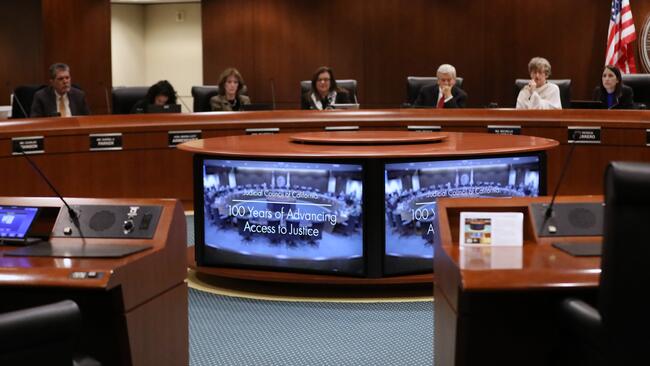
On February 20, 2023, the Judicial Council of California convened to discuss advancements in court technology, culminating in a significant decision to allocate funding for the Superior Court of Los Angeles County. This funding is aimed at continuing a shared solution that deploys automated text message notifications—like hearing reminders—benefiting court users across nine participating courts. This initiative is a tangible reflection of the ongoing commitment to modernizing judicial processes and improving public access to justice.
- Embracing Technology in California Courts: A Step Forward
- The Role of Technology Funding
- Enhancing Court Operations
- Remote Court Proceedings: A Positive Experience
- Updates from the California Department of Finance
- Continued Education for Judicial Staff
- Notable Changes within the Judicial Council
- Celebrating a Century of Judicial Progress
- Final Thoughts
The Role of Technology Funding
The technology funding granted by the Judicial Council is part of a broader state modernization grant program that aims to enhance court services. Judge Maria Hernandez, chair of the council’s Technology Committee, emphasized the pressing need for technological advancements in California’s courts. “We know that every single court in our state needs additional technology funding—the applications far exceed the available funding,” she stated, underscoring the critical need for resources to facilitate these improvements. The overarching goal is to expand access to justice through innovative technology initiatives.
Enhancing Court Operations
The council highlighted several successful applications of this funding across California courts that serve to streamline operations and improve access to justice:
-
Digitizing Documents: Transitioning from physical to digital formats is a significant leap forward. This shift not only reduces printing and storage costs but also enhances data security and efficiency. Implementing e-filing and expediting case processing significantly improves how the public accesses court documents.
-
Audio/Video Upgrades: In an era where remote participation is becoming more commonplace, upgrading audio and video capabilities is essential. These enhancements allow individuals to engage in court proceedings from afar, making the judicial system more accessible. Additionally, technologies like website chatbots and virtual assistants empower court staff to assist users through live video and secure document sharing.
-
Cyber/Information Security: As courts increasingly rely on digital tools, protecting sensitive information becomes paramount. This funding prioritizes cybersecurity measures that safeguard case files and confidential information while ensuring court operations run without disruption.
Remote Court Proceedings: A Positive Experience
The meeting also addressed a report demonstrating strong support for remote court proceedings. Feedback collected from litigants and court staff revealed a high level of satisfaction, with approximately 90% of court users and 98% of court staff reporting positive experiences with remote appearances in civil and criminal proceedings. Judge Lisa Rodriguez and Dependency Legal Services Policy Director Julia Hanagan shared firsthand testimonials, emphasizing the benefits remote options bring to both users and staff. This dialogue showcased the potential for remote proceedings to improve the overall court experience.
Updates from the California Department of Finance
The council turned its focus briefly to an update from the California Department of Finance (DOF), which provided insights into the state’s fiscal landscape. The DOF outlined how fluctuating revenues—from personal income taxes to capital gains—affect the judicial branch budget. Despite positive economic indicators, a modest budget shortfall is anticipated due to prior deficits and ongoing obligations. This context underscores the complexities involved in securing necessary funding for judicial services as the state navigates its financial commitments.
Continued Education for Judicial Staff
In its commitment to maintaining high professional standards, the council approved a comprehensive two-year education plan for judges and court staff. This initiative aims to equip legal professionals with the necessary skills and knowledge to serve the public effectively. The plan will include a range of educational resources—from on-demand videos and webinars to interactive live courses. Topics will encompass critical areas such as environmental law, domestic violence issues, and new judge education, ensuring that all judicial staff remain informed and prepared.
Notable Changes within the Judicial Council
As the council progresses through its agenda, attention was drawn to the impending retirement of Darrel Parker, a member with over 30 years of experience in trial courts. Parker’s contributions, particularly his leadership as chair of the Council’s Court Executives Advisory Committee, have had a lasting impact on judicial administration in California. His retirement marks the end of an era and the opportunity for new voices within the council.
Celebrating a Century of Judicial Progress
In a fitting end to the meeting, the council previewed a video honoring its 100-year anniversary. This reflection not only highlights the council’s establishment in 1926 but also celebrates its role in enhancing the administration of justice throughout the state. The video will be featured on the council’s dedicated anniversary website, offering insights into significant milestones and accomplishments that have shaped California’s judicial system over the past century.
Final Thoughts
The strides being made within California’s judicial system reflect a commitment to modernization and improved accessibility. Each initiative, from technological upgrades to education and funding, points toward a more efficient and user-friendly court experience. As California’s courts continue to evolve, these steps are essential in ensuring that justice remains within reach for all citizens.