
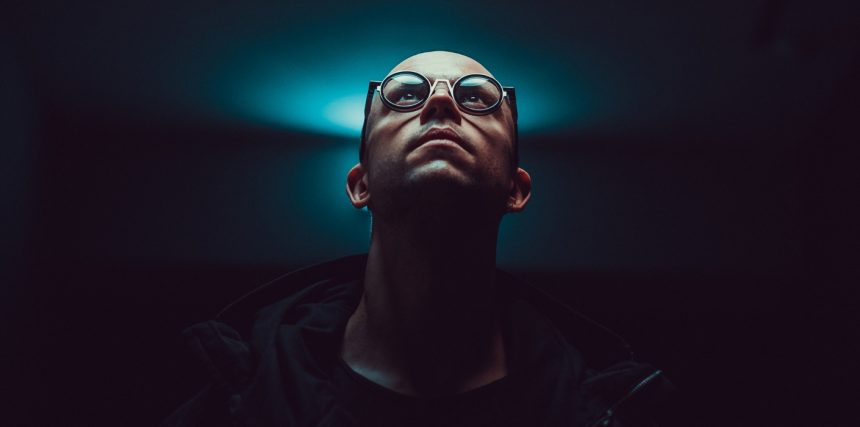
Polish Techno Innovator Deas Confronts Industry Commercialisation, Algorithmic Validation and the Loss of Dancefloor Authenticity
In the bustling electronic music landscape, few artists command as much respect as Deas, the Krakow-based producer known for his unique blend of hypnotic grooves and a steadfast commitment to authenticity. Born Karol Mozgawa, Deas’s journey in the realm of techno has been anything but traditional. Known for carving a niche from local residencies like Smolna and Tama, he has ascended to international stages such as Awakenings, Extrema, and E1 London. This evolution has allowed him to collaborate with renowned labels like CLR, ARTS, and Planet Rhythm, all while maintaining a core artistic vision characterized by intense live hardware interaction.
In an exclusive conversation with change-underground.com, Deas takes us through the mechanical realities of modern electronic music production, the intriguing dynamics of the global underground scene, and the critical importance of authenticity amid the rising tide of commercialization.
Hardware Journeys and One-of-a-Kind Grooves
For Deas, his relationship with music hardware transcends mere technical expertise; it’s a collaborative journey. While acknowledging the functional role of software, he finds the true energy of his music in the tactile, unpredictable feedback loops of physical gear. This hands-on methodology fosters a distinct texture in his tracks and DJ sets. His recent Drifted Off EP on ARTS exemplifies this approach, weaving spoken-word elements and subtle melodic layers into his signature rhythms, all while staying true to his artistic vision.
Deas articulates his process: “Music production is about the unfolding journey. The final track is essentially a natural side effect of my engagement with the machines.” This philosophy allows him to create tracks geared towards long-form dancefloor immersion, rejecting the immediacy often expected by algorithmic algorithms. His focus on crafting internal surprises while maintaining a recognizable style marks a significant evolution in the techno landscape.
The Scene: Growth, Spectacle, and Soul
The global expansion of techno has opened doors, attracting new audiences and nurturing emerging artists. Yet, Deas is aware of the compromises this growth entails. “The club culture is increasingly prioritized as a visual spectacle,” he observes, lamenting a shift where sensory distraction often overshadows sonic depth. This trend, he argues, diverts attention from what truly matters—the music.
Modern electronic figures find themselves caught in a balancing act between musical performance and digital marketing optimization. Deas actively distances himself from this contemporary pressure, distinguishing himself as an artist rather than a mere content creator. “I create what I feel… I don’t ask the audience what they expect from me,” he states, cementing the boundary he believes is essential for maintaining the integrity of his work.
This clear demarcation shapes how he gauges crowd energy across different locales. While some cities embrace elaborate productions, others retain the raw musical connection that originally defined techno subculture.
Fake Things and Scene Authenticity
Amidst the growing concern over inflated social metrics and manufactured personas in the music scene, Deas delves into these issues in his Vibrations EP, particularly in the track “Fake Things.” Released in early 2026, this piece arrives at a pivotal moment, critiquing an industry increasingly driven by artificial engagement, bought followers, and hollow social media popularity. However, Deas intentionally leaves the track open for individual interpretation, making it versatile enough for listeners to derive their own meanings.
Despite the increasing challenges posed by digital algorithms distorting booking ecosystems, he remains optimistic. “Experienced promoters are looking past superficial data,” he notes, arguing that social media metrics don’t guarantee genuine engagement or ticket sales. For emerging artists navigating this complex landscape, Deas’s anti-formulaic stance offers a refreshing perspective.
“It’s not about giving anyone advice,” he muses. “I do what I do because I can’t live any other way. So if you feel that kind of inner need, then go for it.” This ethos underscores the intrinsic drive that fuels his production and performance style, crucial for artists striving for authenticity.
Looking Forward
As the genre evolves, Deas emphasizes the need for localized resistance against corporate curation. He finds inspiration in independent collectives that host intimate events in unconventional spaces, as well as developers innovating new production tools. His work on Chris Liebing’s CLR, alongside hypnotic tracks like “Geeks On Hubbard,” stands as a testament to his artistic vision—best experienced free from distractions, allowing the machines to tell the story.
As an artist firmly rooted in the analog tradition, Deas remains committed to preserving a grounded path amid the noise of superficial trends. This dedication ensures his distinctive grooves resonate deeply within the fabric of a rapidly evolving industry.
Read our latest news here.
Deas Techno Interview FAQ
Why does Deas prefer using hardware and analogue equipment in his productions?
Deas views interacting with hardware devices as a creative journey rather than just a technical step, where the recorded music acts as a natural side effect of his hands-on process with the machines.
What is Deas’ view on the current commercialisation and business-ification of the techno scene?
He maintains a distinct line between being an artist and a content creator, refusing to focus on making art sellable or tailoring his creative output to match external audience expectations.
How does Deas interpret the track title ‘Fake Things’ from his Planet Rhythm release?
He intentionally leaves the track title open to interpretation for individual listeners within a music scene increasingly driven by bought followers, bot metrics, and manufactured social media hype.