Happy EDC! A Dive into Dance Music Culture
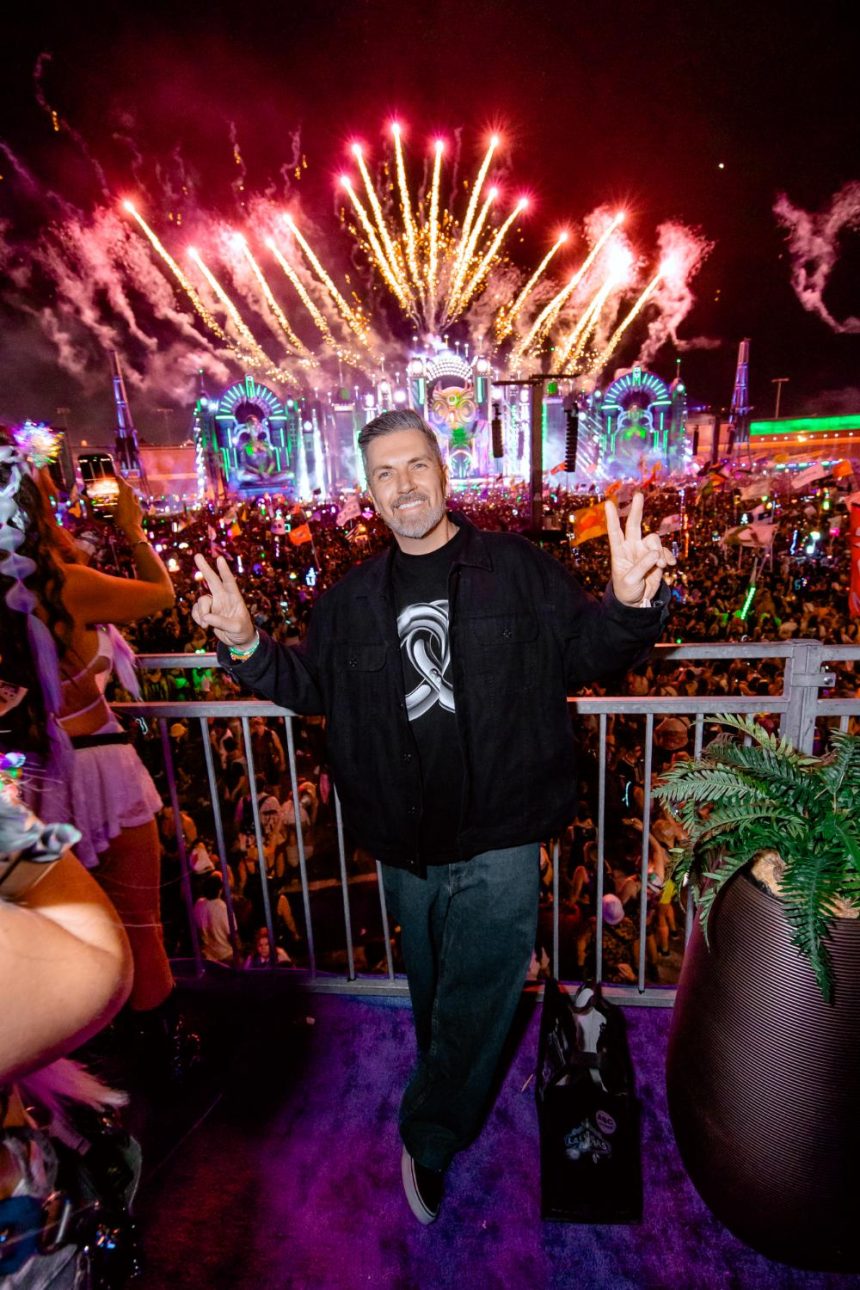
“Happy EDC!” For many attendees, those two words encapsulate the essence of the Electric Daisy Carnival (EDC) — a vibrant celebration of music, culture, and community. On the evening of Friday, May 15, as the sun dipped below the horizon, the excitement in the air could be felt. This overwhelming wave of friendliness was refreshing, strikingly different from the often cold, too-cool urban vibe of Los Angeles. Here, people from various walks of life greet each other with openness, reminding us of the core spirit of the event: connection.
The Gathering of a Vibrant Community
Right from the start, strangers sat beside us, with a cheerfulness that seemed almost alien to the routine of everyday city life. Two friends, one from LA and another from Europe now residing in Colorado, shared their experience as festival veterans. Together, they traveled the world for festivals, but EDC remained their primary pilgrimage. Now in their early 40s, they reflect on an evolving community, recalling the charm and nostalgia of earlier days, yet reveling in how far the festival has come.
“He’s a good dude. I mean, look at all this,” one of them said about Pasquale Rotella, the founder of Insomniac Events, the company behind EDC. As the golden hour bathed the festival in warmth, it became easy to see why so many share a deep appreciation for Rotella’s vision. EDC transforms the barren desert into a sprawling playground filled with ten stages hosting the biggest names in electronic music, all adorned with carnival rides and whimsical aesthetics reminiscent of a family-friendly alternate reality.
The Growth of a Cultural Phenomenon
Founded in 1993, Pasquale Rotella’s Insomniac has evolved from throwing underground parties to creating one of the largest dance music festivals in the world. After becoming a major player in the industry, Rotella sold half his stake in Insomniac to Live Nation in 2013. Yet, his hands-on approach ensures that the festival retains its original spirit.
Over the years, dance music events have surged globally, with 600 million attendees yearly, showcasing an undeniable rise in popularity. This symbiotic growth of the genre and live events emphasizes the integral role that platforms like EDC have in shaping dance culture.
A Milestone Celebration
2026 marked a significant milestone for EDC — its 30th anniversary under Insomniac. Early iterations of EDC sprouted in the late ’80s and early ’90s, but it wasn’t until 1997 that Insomniac launched its first version. Following several relocations due to challenges, EDC found a permanent home in Las Vegas in 2011, hosting over 170,000 attendees each day. With a cumulative attendance of upwards of 500,000 across the span of the festival, EDC is a testament to the resilience of rave culture.
This year’s festival was especially extravagant. “I’m really excited about our new bassPOD and kineticFIELD stages,” Rotella revealed before the festivities began. The anniversary also introduced the Insomniac Fridays Stage, a nostalgic nod to one of Rotella’s earliest events, further highlighting a commitment to celebrating dance music’s roots.
Production Innovations and Forward-Thinking
Insomniac made significant investments in production quality and festival logistics. From strategic underground wiring to meticulous planning for the World Party Parade on the Las Vegas Strip, the organization continuously seeks to encompass and elevate the festival experience. A recent announcement detailed plans for next year’s EDC to feature two weekends, an endeavor aimed at enhancing attendee experience by reducing daily crowd sizes and introducing exciting programming throughout the week.
“Being a hardcore raver, I get the ‘EDC Blues’ after each event,” Rotella mentioned, emphasizing the need for a meaningful and extended engagement with the community. The extended EDC promises a grander tapestry of music, art, and connection.
Community Forged Through Raves
The defining ethos of EDC is rooted in unity and acceptance — principles embodied in PLUR: Peace, Love, Unity, and Respect. As the rave culture continues to attract a diverse group of attendees and artists, the festival remains a sanctuary for self-expression. The melting pot atmosphere strikes a chord with attendees, whether they are casual participants or fervent devotees.
We spoke to many attendees who echoed sentiments of gratitude for the experience, where everyone, regardless of age or background, can find their place. “The dance floor is everywhere,” a vibrant attendee proclaimed, reflecting the festival’s inclusivity and community spirit.
The Business of Raves: Sustainability and Challenges
While the energy at EDC is palpably joyful, the operational side presents various challenges. With crowd management and logistical hurdles, Rotella assures that Insomniac never oversells events. Feedback from the audience is taken seriously, leading to ongoing improvements in flow and experience. Rotella describes the complexity behind organizing the festival, especially as artists rise and fall in popularity, impacting crowd dynamics.
Financially, the pandemic pushed many festival organizers, including Insomniac, to innovatively adapt. From drive-in events to virtual engagements, the festival community found a way to connect even during isolation. The economic impact of EDC is undeniable, with estimates reaching $500 million in annual revenue for Las Vegas.
Cultural Legacy and Future Vision
As EDC and Insomniac remain on the ascendant, the narrative of Pasquale Rotella’s vision is ingrained in the wider cultural context. Just as much as it is a commercial enterprise, Insomniac serves as a nurturing ground for the dance music community. Rotella’s plans for upcoming events demonstrate a commitment not only to maintain the spirit of the festival but also to help cultivate future generations of artists.
As he gears up for more ambitious projects, including collaborations with other festivals, the idea amplifies the community-centric nature of EDC. Rotella sees himself as a steward of the community, fostering an inclusive environment where creativity thrives.
The lasting legacy of EDC is a manifestation of the collective desire for connection — a grants individuals the chance to let loose, find themselves, and bond in a creative space. The essence of dance music culture, as embodied by EDC, is undeniably vibrant, ensuring that the party will continue for years to come.