
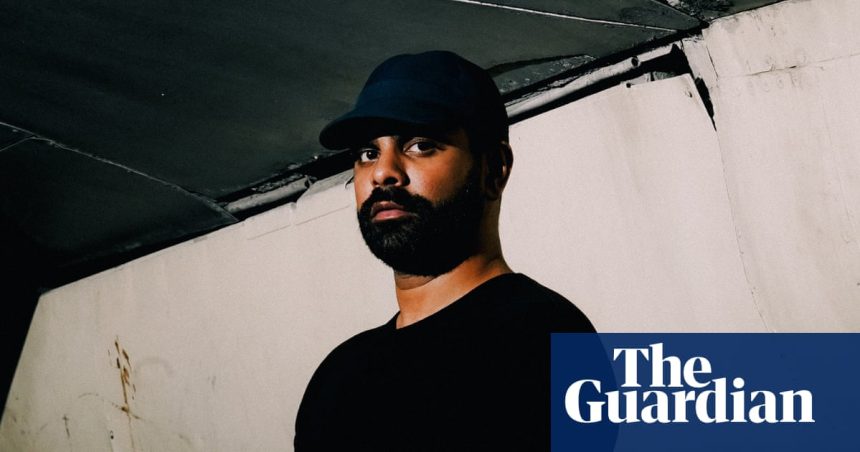
Embracing Identity Through Sound: The Journey of Ahad Elley, a.k.a. Ahadadream
When Ahad Elley was just 12 years old, his family uprooted from Karachi, Pakistan, and settled in the UK. It was during this transitional phase that he encountered a painful realization about his identity. In the UK, his Pakistani heritage became a basis for slurs that marred the innocent and uplifting meaning of the word “pak”—which in his home country signifies cleanliness. Reflecting on his childhood, Elley recalls a natural instinct to disconnect from his background, even suggesting that he “potentially shrank or hid parts of myself to fit into society.” This sentiment resonates with many members of the South Asian diaspora who navigate the complexities of assimilation while yearning to uphold their cultural roots.
- Embracing Identity Through Sound: The Journey of Ahad Elley, a.k.a. Ahadadream
- Navigating the Emotional Landscape of Heritage
- The Road to Music: An Unexpected Pivot
- A Decade of Discovery and Development
- A Global Influence and Community Focus
- A Love Letter to Diversity and Healing
- A Symbol of Visibility and Pride
Fast forward twenty years, and Elley’s trajectory has transformed dramatically. Now known as Ahadadream, he is a pivotal figure in the contemporary British South Asian music scene. Beyond being a DJ and producer, he has carved a niche as a label head and promoter, dedicated to amplifying dance music from around the globe. With his debut album, P★KI (pronounced “pee-star-kay-eye”), he is poised to ascend to even greater heights in a career built on both resilience and creativity.
Navigating the Emotional Landscape of Heritage
The title of Elley’s album has sparked conversations—implicating a word often associated with hurt and histories of violence. Yet, he aims to redefine this term, attributing intentions of pride, self-love, and confidence to the title. Over a recent video call from his east London home, Elley emphasized, “There’s no intention to cause anyone hurt or pain… it’s also about sharing perspectives.” This thoughtful reflection underscores the responsibility artists have in addressing and reshaping narratives around their identities, particularly when those identities intersect with cultural sensitivities.
The Road to Music: An Unexpected Pivot
For Elley, the path to music initially seemed less like a calling and more like a side pursuit. “Creativity was always framed as something you do on the side,” he explains, echoing a common sentiment among many in the South Asian community. It was only after a pivotal conversation with global music icon Skrillex in 2023 that Elley found the courage to chase his passion full-time. The encouragement to leave behind corporate stability for the unpredictable world of music marked a significant turning point in his life.
A Decade of Discovery and Development
Despite juggling corporate jobs, Elley spent nearly a decade honing his craft in the underground dance music scene. His academic background in chemistry, combined with a burgeoning interest in club culture, formed the crux of his artistic evolution. Early days spent absorbing the electrifying atmosphere of grime raves and experimental mixes on Annie Mac’s Radio 1 helped him discover his affinity for rhythm-centric genres. He recollects: “Rhythmic music has probably always been in my blood, going to weddings and being exposed to the dhol [drums].” This rhythmic foundation led him to explore African and Brazilian influences, setting the stage for the eclectic musical style that would emerge in his work.
A Global Influence and Community Focus
Elley’s musical pursuits eventually took shape through the co-founding of More Time, a label that prioritizes global sounds from artists spanning continents. Alongside this, his work at Boiler Room and his initiatives like No ID and Dialled In—a platform that promotes South Asian DJs—exemplify his commitment to fostering community within a genre that often sidelines diverse voices. What began as a local festival has blossomed into an expansive platform hosting parties across the Indian subcontinent and mentoring emerging talents.
A Love Letter to Diversity and Healing
P★KI is more than a debut album; it is a kaleidoscope of Elley’s influences and experiences woven into a vibrant tapestry of sound. You can hear the pulsating, joyful energy in tracks that highlight various rhythmic styles, from grime to UK funky, while embracing a rich blend of global elements. The album opens with a transformative edit of Nusrat Fateh Ali Khan, the legendary figure of Pakistani music, demonstrating Elley’s willingness to honor his roots while contributing something fresh to the music ecosystem.
“Sometimes I question where those emotions come from,” he candidly states, alluding to the tears and joys resonating on dancefloors filled with people singing along to his remixes. This deep connection to music reflects a longing for healing, potentially arising from disconnection with one’s cultural lineage.
A Symbol of Visibility and Pride
Through P★KI, Ahad Elley, or Ahadadream, proudly facilitates a healing process for a new generation eager to reconnect with their heritage through music. With a visual identity crafted by his wife, architect Esha Sikander, that nods to the distinct Radio Pakistan logo, Elley embraces a bold aesthetic meant to celebrate and articulate his unique narrative. He remarks that it’s about “being loudly visible,” a sentiment that echoes through every beat of his music.
As Ahadadream prepares to take his place at venues like Electric Brixton in London, the anticipation surrounding his artistry reflects a wider desire among listeners to reclaim and celebrate identities that were once subdued or shamed. His journey illustrates not just the resilience of cultural identity but also how music profoundly connects and heals communities, creating spaces where joy is celebrated, and histories are reframed.



