Transforming Child Welfare: The Role of Technology and AI
In an era where technology permeates every aspect of our lives, the child welfare system stands on the brink of a transformative shift. Dr. Jennifer Jacobs, CEO and co-founder of Connect Our Kids, has articulated an essential truth about this evolution: “Technology and AI can do the things that take time away from humans being human.” This mindset encapsulates a profound opportunity—one that can empower caseworkers, foster parents, and biological relatives to concentrate on the critical human connections that children in the system desperately need.
How Technology Supports Frontline Practice
The conversation around technology’s role in child welfare gained further traction with Lasheunda Carr, a case specialist at Lawrence Hall in Chicago. Lawrence Hall is an implementing partner of Youth Villages, which delivers the LifeSet model aimed at aiding older youth transition into adulthood. Carr emphasized the importance of modern tools in strengthening the practice for these vulnerable youths.
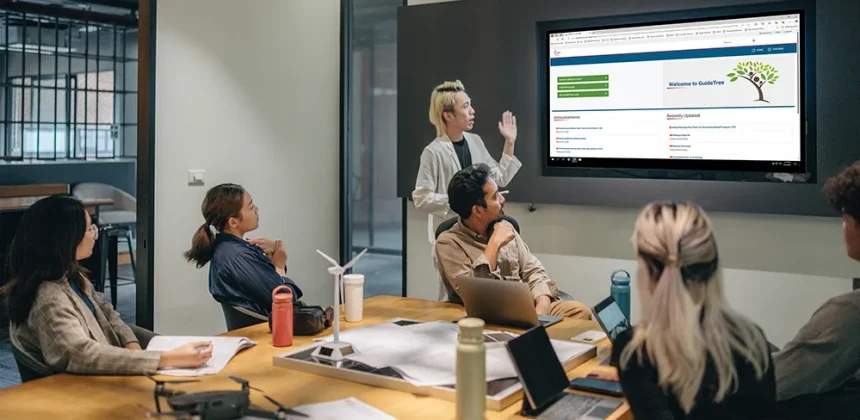
A centerpiece of this innovative approach is GuideTree, a unique technology that allows caseworkers to serve young individuals more effectively. One exciting feature of GuideTree, called FindHelp, enables staff to instantly locate local resources—covering essentials like housing, employment, and mental health services—by simply entering a ZIP code. This immediacy in resource identification can dramatically improve the support system available to youth who may feel lost or disconnected.
Built for Daily Casework
GuideTree isn’t just a shiny new tool; it’s a comprehensive workforce training and development system developed by Youth Villages. It brings together structured case conceptualization, curated evidence-based resources, and practical guidance, all designed to augment the quality of service delivery in the field.
By integrating seamlessly into daily casework and supervision, GuideTree equips staff with the capabilities to analyze complex cases, select effective interventions, and track progress over time. Recent pilot programs have yielded promising results: 88% of staff reported improved use of interventions, 71% noted stronger delivery skills, and over half experienced increased job satisfaction. Moreover, evaluations have shown measurable improvements, including fewer serious incidents in residential settings and heightened youth engagement.
Expanding Access to GuideTree
Recognizing the significant potential of GuideTree, Youth Villages is actively working to expand its reach through the GuideTree Early Adopter Grant. Funded by philanthropic sources, this grant aims to cover the initial planning and training costs for organizations looking to implement GuideTree. The inaugural cohort is set to launch in summer 2026, with applications currently being accepted through April 30, 2026.
Eligible applicants for this grant include public child welfare agencies, private nonprofit organizations dedicated to supporting older youth, and managed care entities collaborating with foster care providers. This initiative not only signifies a commitment to modernization within child welfare but also emphasizes the shared goal of improving relationships and service delivery for the youth involved.
Strengthening Relationships for Better Outcomes
As federal leaders, state agencies, and service providers engage in discussions about modernization and technological advancements, one principle remains steadfast: strong relationships drive positive outcomes. By leveraging modern systems, professionals can allocate more time to nurture these vital connections, allowing them to become the human network children so urgently require.
For those interested in learning more about GuideTree and the Early Adopter Grant, additional details can be obtained by contacting the Youth Villages team directly. By fostering collaboration and innovation in the field of child welfare, we can ensure that technology serves to enhance the human touch that is so critical in the lives of young people navigating these complex systems.