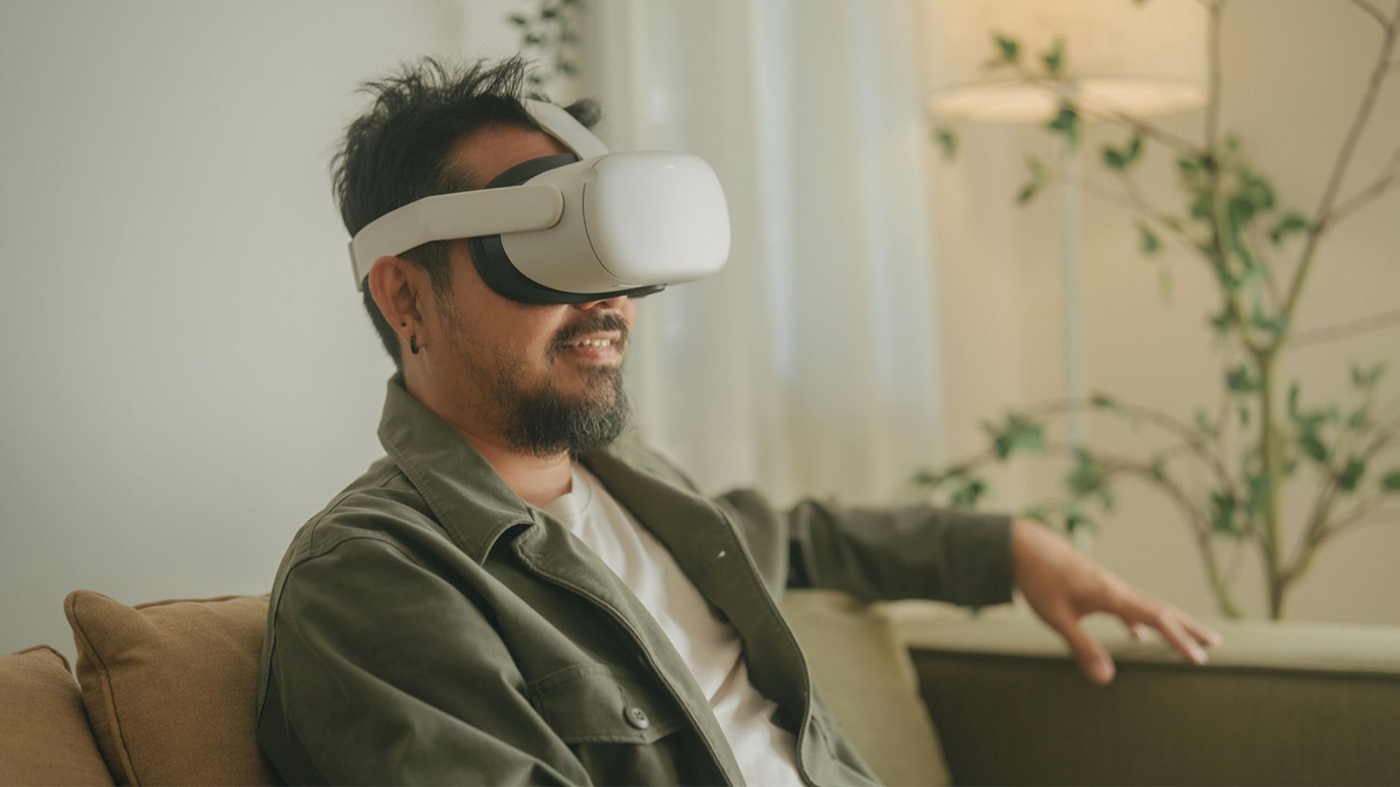
VA Immersive Implements Immersive Technology Across VA Facilities
Many people often associate virtual reality (VR) headsets and augmented reality with gaming or entertainment. However, healthcare professionals at the VA view these immersive technologies as transformative tools that can dramatically enhance the care provided to Veterans. As technology evolves, so too does the potential for innovative solutions within the realms of mental and physical health.
The VA Immersive Program
The VA Immersive program stands at the forefront of integrating immersive technology within VA facilities. This initiative leverages tools like VR headsets across various clinical specialties, aiming to improve care delivery while enhancing the overall experience of Veterans. The applications of this technology are vast, spanning neurological risk assessments, pain management, treatment for anxiety and PTSD, addiction recovery, as well as physical and recreational therapy.
Dr. Anne Lord Bailey, executive director of the Strategic Initiatives Lab (Strat Lab) under the VA’s Digital Health Office, emphasizes the program’s expansive potential. “The benefits of immersive technology are wild, wide, and expansive,” she states. The excitement surrounding the ongoing implementations reflects the commitment to finding innovative solutions that outperform traditional methods in terms of effectiveness and reach.
Technology That Works
The initial results from the implementation of immersive technology have already shown promising outcomes for Veteran care. Across various clinical applications within the VA, there’s been a reported 29% decrease in anxiety, measured by the State-Trait Anxiety Inventory Scale-5 (STAIS-5), and a comparable 29% decrease in pain perception, based on the Defense and Veterans Pain Rating Scale (DVPRS). Though these results are self-reported by over 4,900 Veterans and are not derived from controlled studies, they highlight the real-world impact of immersive technology on the lives of service members.
Dr. Bailey mentions, “We leverage a mechanism of adherence and mechanisms of engagement…” to ensure that evidence-based protocols are transformed into engaging modalities for Veterans. The aim is not only to provide relief but to create experiences that Veterans will genuinely want to engage with.
Immersive Technology Across VA
In just eight years, VA Immersive has successfully assisted over 170 VA facilities in adopting immersive technology. This impressive reach extends across all 50 states, alongside territories like Guam, Puerto Rico, and American Samoa. The program has reportedly served more than 10,000 Veterans, marking a significant milestone in the integration of technology into healthcare.
Bailey expresses optimism about the program’s trajectory: “We’re excited to see that number continue to grow.” The belief in the boundless future of immersive technology in health care mirrors a collective hope for continuous improvement in Veteran services.
The vision for transformative technology is not rooted in the allure of flashy gadgets; it’s about making immersive technologies a normalized part of Veteran care. The goal is to implement this technology not only in VA facilities but also extend its availability into Veterans’ homes, ensuring accessibility and continued support where it is most needed.
To delve deeper into the cutting-edge realm of immersive care technology at the VA, interested parties can visit the VA Healthcare Innovation and Learning website. The continued evolution of the VA Immersive program promises to redefine how care is delivered, positioning technological innovation as a central pillar in the enhancement of Veteran health services.