Understanding the Impact of Genetics and Lifestyle on Obesity in Hyderabad
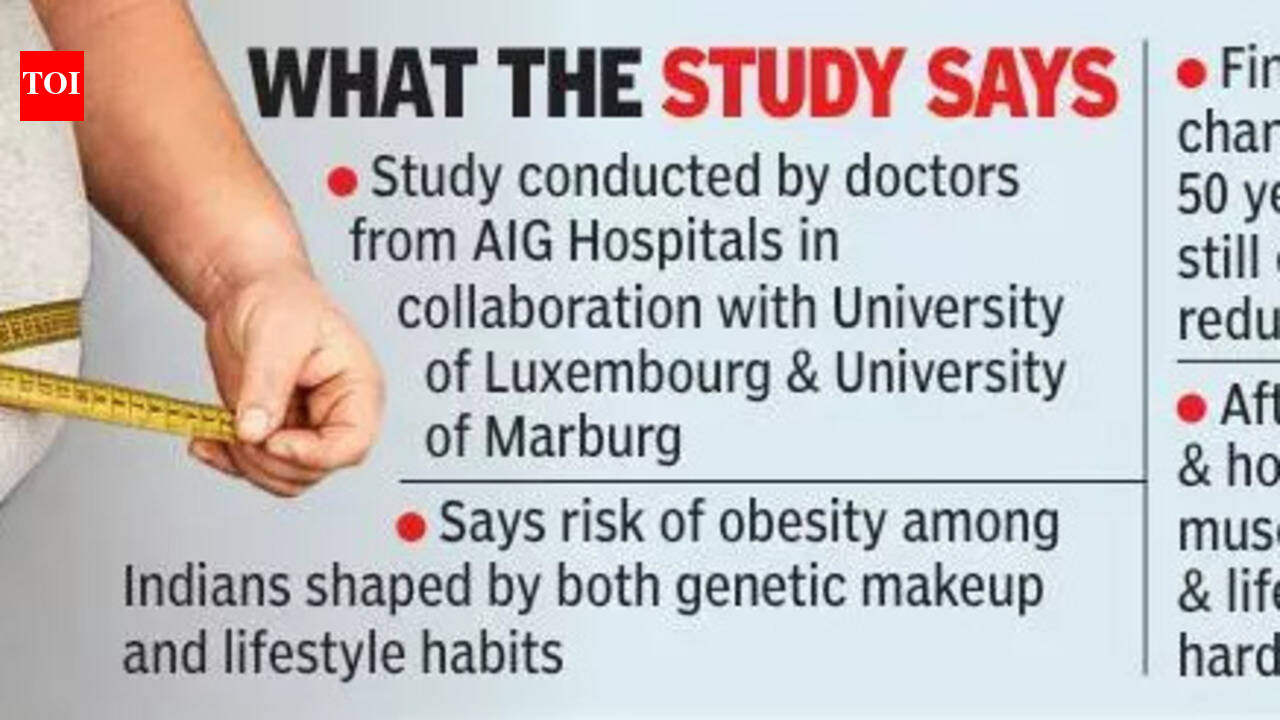
In recent years, obesity has emerged as a pressing health concern, particularly in urban India where the prevalence of metabolic diseases has been accelerating. A trailblazing study by medical professionals from AIG Hospitals, in collaboration with the University of Luxembourg and the University of Marburg, Germany, sheds new light on how genetics and lifestyle intersect to influence weight, particularly for younger individuals under the age of 50.
- Understanding the Impact of Genetics and Lifestyle on Obesity in Hyderabad
- Genetic Risk and Lifestyle Choices: A Crucial Connection
- The Dual Challenge of Genetic Background and Lifestyle
- The Increasing Epidemic of Metabolic Diseases
- The Age Factor: A Window of Opportunity
- Rethinking Obesity Guidelines in India
- A Proactive Approach to Prevention
- The Way Forward: Building Awareness and Implementing Change
Genetic Risk and Lifestyle Choices: A Crucial Connection
The research points to a noteworthy conclusion: younger adults with a high genetic predisposition for obesity are significantly affected by their daily habits and lifestyle choices. These include dietary patterns, exercise routines, and other behaviors. In fact, for this demographic, lifestyle plays a more substantial role in weight management compared to older adults who carry a similar genetic risk.
This is an important shift in understanding, as it highlights the window of opportunity to combat obesity at a younger age. The study emphasizes that proactive lifestyle changes made in early adulthood could steer individuals away from the greater risks posed by their genetic profiles.
The Dual Challenge of Genetic Background and Lifestyle
The investigation assessed the genetic data of a large group including over 6,600 Indians residing in the UK, juxtaposed with data from a smaller cohort of 91 participants in India. The findings revealed a clear relationship between obesity risk and an individual’s genetic disposition, which was further compounded by lifestyle choices. For instance, unhealthy eating patterns and lack of physical activity significantly increased obesity chances among genetically predisposed younger individuals compared to older peers.
The implications of these findings are particularly pertinent in a country where genetic predispositions are layered with dietary habits, cultural influences, and socioeconomic factors.
The Increasing Epidemic of Metabolic Diseases
troubling trend is the rapid rise of lifestyle-related metabolic diseases such as diabetes, fatty liver, and heart disease in India. As observed in a recent Lancet study, nearly 40% of adults in Hyderabad are grappling with fatty liver disease — with obesity as a major contributing factor. This alarming statistic underscores the urgency of addressing lifestyle-related health challenges, particularly in younger adults.
The Age Factor: A Window of Opportunity
One of the most interesting insights from the study is the age-related distinction in the effectiveness of lifestyle changes. Health professionals noted that those under 50 have a unique biological advantage; their bodies can more easily adapt to changes that involve muscle building and fat reduction. Conversely, for individuals over 60, hormonal shifts and muscle loss complicate efforts to reverse obesity-related risks. This stark contrast reinforces the need for targeted early intervention strategies.
Rethinking Obesity Guidelines in India
Dr. D. Nageshwar Reddy, chairman of AIG Hospitals and a key study author, advocates for the reevaluation of obesity guidelines tailored specifically for the Indian population. He points out that Indians are particularly susceptible to abdominal or truncal obesity, which poses a heightened metabolic risk even at lower body weights.
“We should redefine obesity according to Indian standards,” Dr. Reddy states, stressing that the existing benchmarks do not adequately capture the unique body composition and health implications faced by Indians.
A Proactive Approach to Prevention
In light of these findings, healthcare specialists are calling for early metabolic screening and focused strategies that prioritize waist circumference and abdominal fat rather than merely body weight. Dr. Rakesh Kalapala, director of the Center for Obesity & Metabolic Therapy at AIG Hospitals, emphasizes that “prevention strategies must become more risk-informed rather than universally applied.”
Promoting healthy lifestyles from early adulthood has never been more critical. Routine physical activity, particularly aerobic exercises like walking, running, or swimming, alongside muscle-strengthening activities, has been recommended as a standard part of weekly fitness routines to counteract the risks associated with genetic vulnerability to obesity.
The Way Forward: Building Awareness and Implementing Change
As awareness grows around the interplay of genetics and lifestyle on obesity risk, the emphasis on education and resources for younger populations cannot be overstated. Further, biomechanical and metabolic research tailored to Indian demographics will be essential in crafting guidelines that reflect the true nature of obesity and its health risks.
This study stands as a wake-up call, illuminating the importance of proactive lifestyle changes, particularly among younger adults facing genetic risks associated with obesity. Addressing these factors from an early age can pave the way for healthier futures, emphasizing the need for personalized healthcare strategies that recognize individual risks and promote wellness through informed choices.