
China’s club scene is anything but uniform; it is a vibrant tapestry that pulsates with life and continuously shifts, revealing new venues, artistic expressions, and local sounds. When you scratch beneath the surface, you’ll find a dynamic interplay of spaces—from repurposed warehouses and underground basements to dedicated concert halls—each with unique identities, dedicated followers, and well-defined purposes. While some clubs have made waves on platforms like Resident Advisor or gained fame through events such as Boiler Room, others cultivate a more intimate atmosphere, spotlighting homegrown talent and local culture.
Understanding this scene requires acknowledging that it is in a state of perpetual flux—what is thriving today may be a whisper tomorrow, challenging enthusiasts to remain agile in their explorative quests.
Shanghai 上海
C·Park (Illum, Reactor + Others)
In the ever-evolving landscape of Shanghai nightlife, we find C·Park—an expansive labyrinth that hosts multiple venues like Illum, Reactor, Wigwam, Sympathy Angel, and Yuyintang within close proximity of each other. Illum stands as a beacon of Chinese underground sounds and experimental music, attracting a fashion-centric crowd. Just above, Reactor thrives on the energy of hard-hitting techno, showcasing an impressive roster of international DJs that keep the dance floor electric.
TX Huaihai (Abyss + Potent)
Another noteworthy spot across town is Abyss, tucked within TX Huaihai. This club is a sanctuary for hard techno lovers, devoid of bottle service or VIP sections, establishing itself as a ‘church of sound’ that doesn’t close until sunrise. Just above, Potent curates a varied selection of genres, welcoming both established Berlin icons and emerging artists, creating a space where techno, minimalism, and trance find their rightful place.
In the bustling district of Jing’an, Heim emerges as a community-centric club that specializes in melodic house and techno. It’s a compact venue with an unexpectedly powerful sound system, frequently showcasing a lineup that merges local up-and-comers with international talents.
Beijing 北京
Within the artistic enclave of Beijing’s 798 Art District, you’ll find Groundless Factory, an influential venue known for its rich programming that includes everything from techno and house to live art exhibitions. The founder’s resilience is notable as he continued to host events, even under the scrutiny of authorities during the pandemic—a testament to its significance as a cultural bastion in the capital.
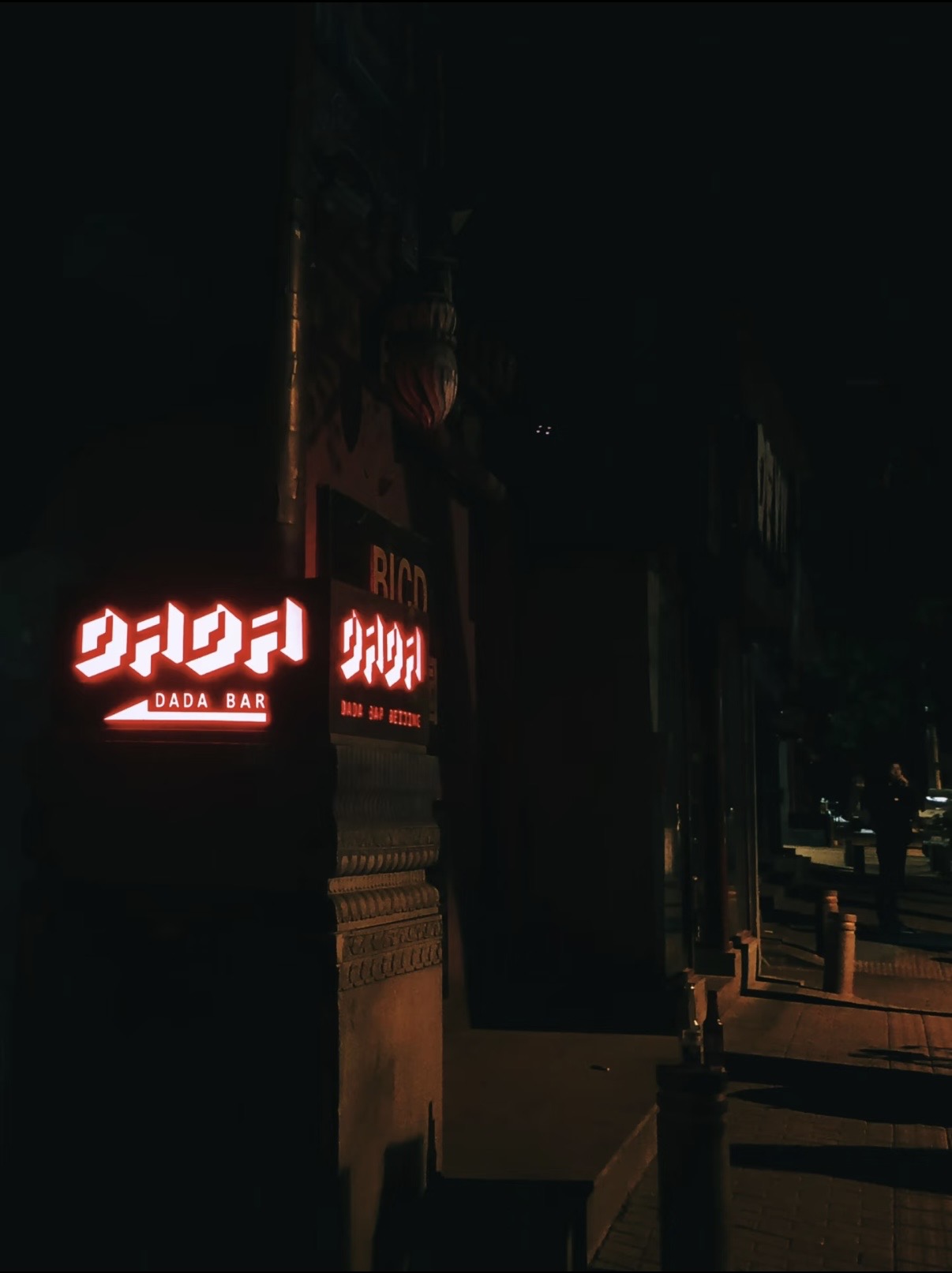
On the other side of the spectrum lies Dada Bar, a grungy, down-to-earth venue that remains a beloved staple within Beijing’s club scene. Known for its affordability and authenticity, it’s a beloved launching pad for local DJs to make their mark while fostering a devoted following.
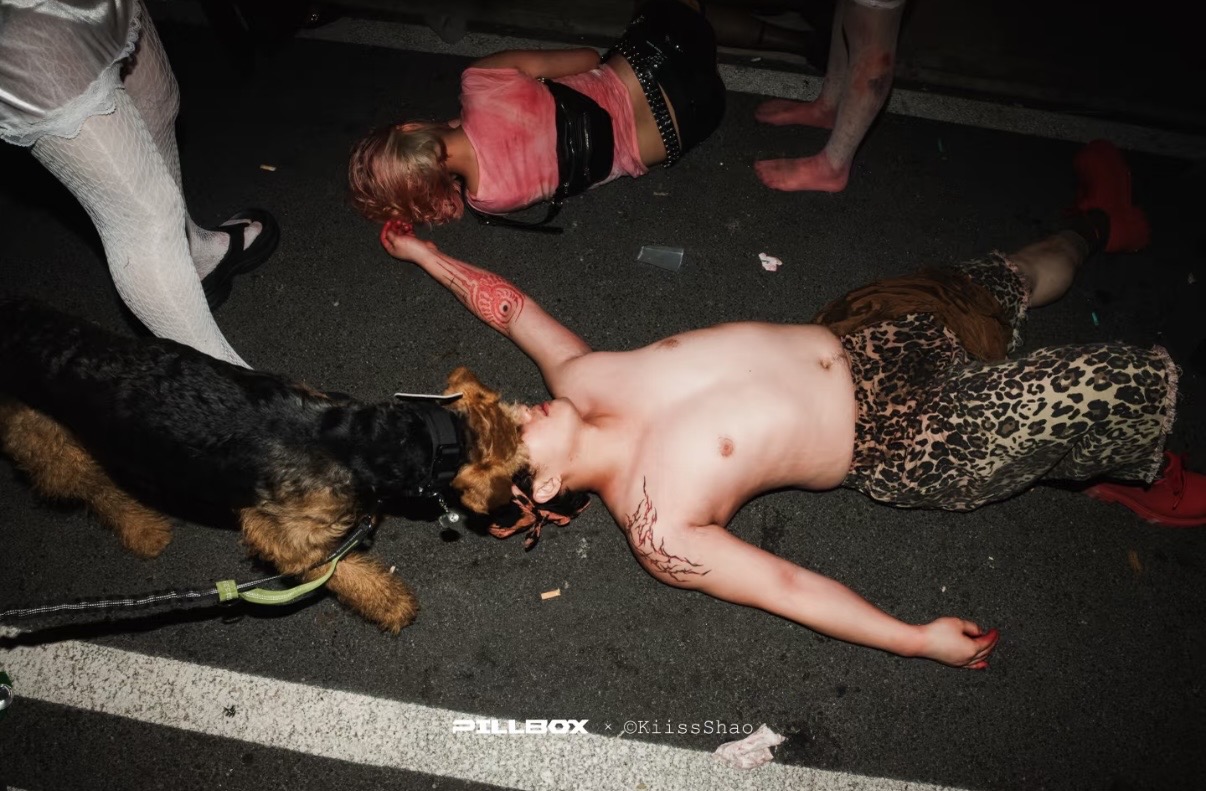
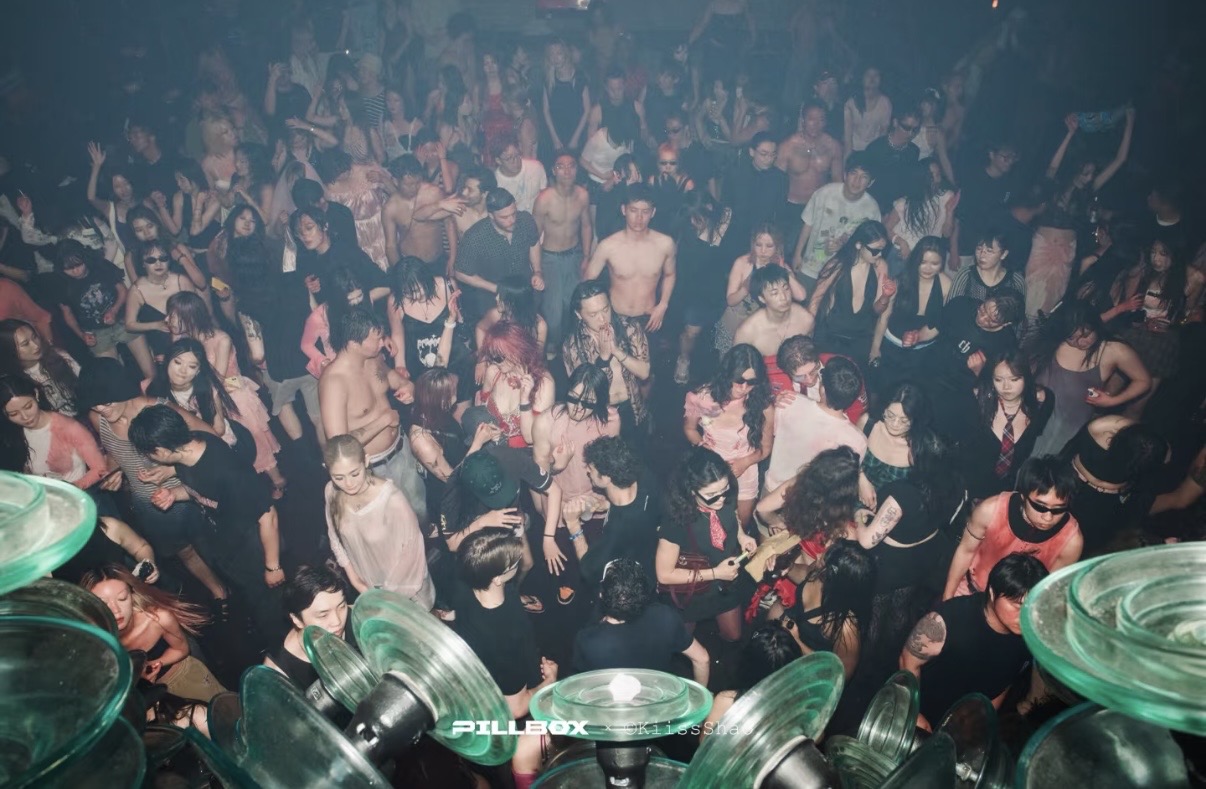
As a newcomer established in 2024, Pillbox has quickly made its mark on the city. This “pleasure-driven space” curates a high-energy electronic music experience that has already attracted both international icons and local talent, firmly rooting its reputation for boundary-pushing sounds while fostering a queer-friendly environment.
Shenzhen 深圳
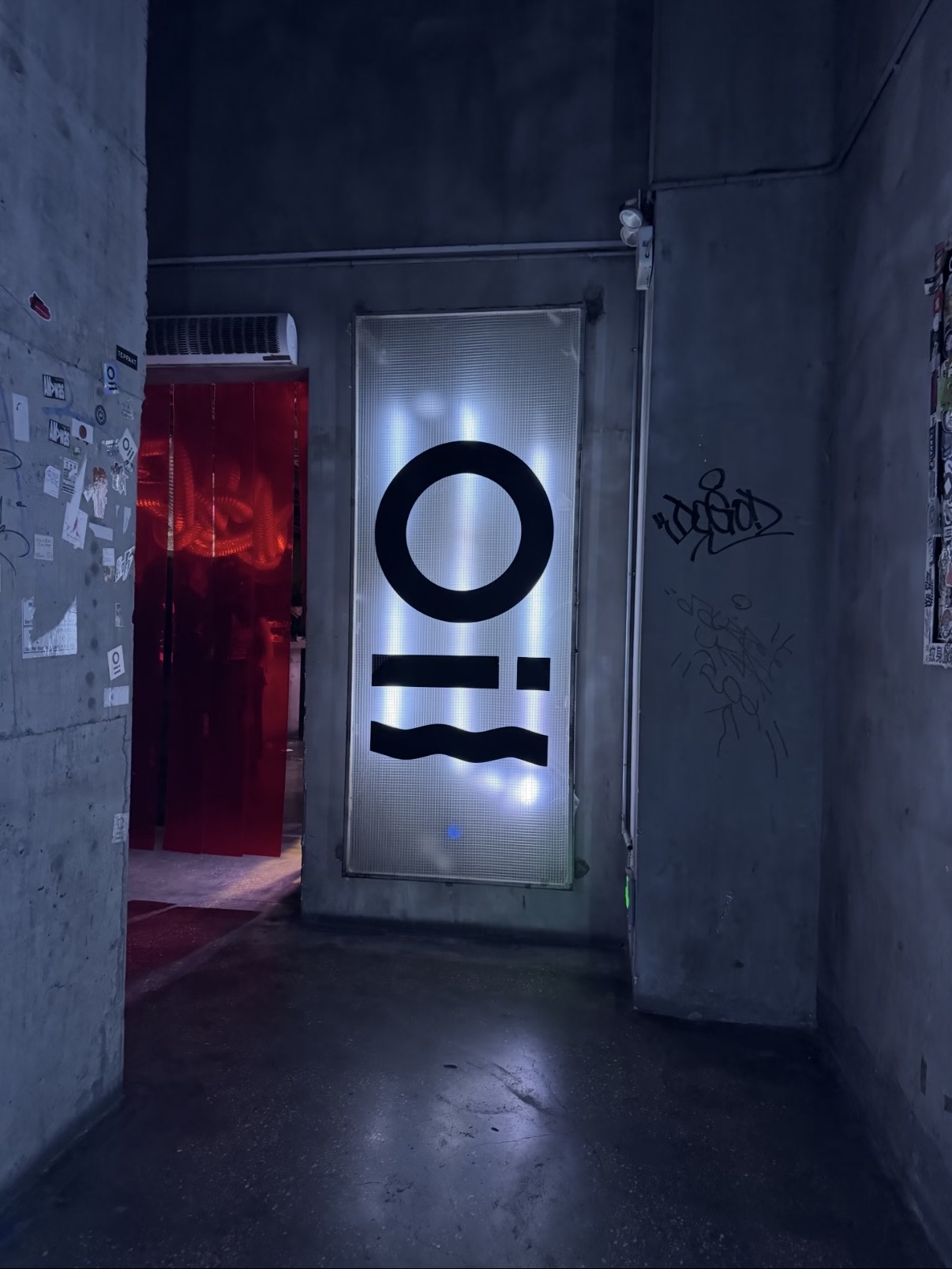
Status-wise, OIL holds a prestigious place within China’s underground music culture, having been recognized as Resident Advisor’s Club of the Week on two occasions. Its seventh anniversary was a vibrant celebration drawing in 72 DJs—a testament to its ability to cultivate a rich and diverse dance floor experience, located thoughtfully within an unassuming office complex in Futian.
Hong Kong 香港

Over in Hong Kong, Mihn stands out as a significant underground venue. With a capacity of just 100, it offers an intimate atmosphere shaped by an exceptional Funktion One sound system and a no-photography ethos, fostering an immersive experience. Known for hosting names like Jeff Mills and artists from around the world, its name symbolizes “roof” or “home,” embodying the sense of community it nurtures.
Chengdu 成都
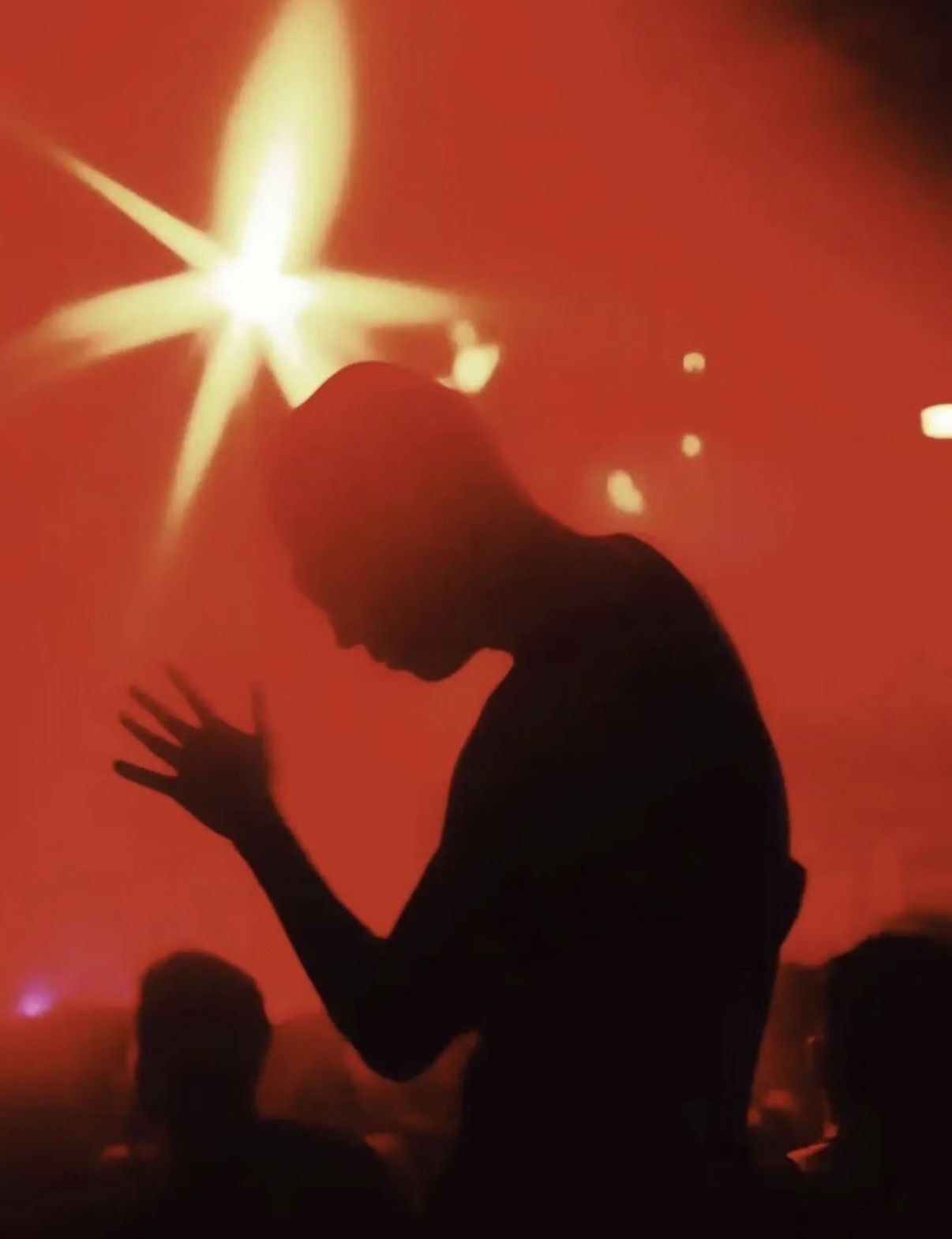
In Chengdu, TAG² holds a firm place as the city’s underground treasure. Mirroring Berlin’s famous nightlife philosophy, it champions a no-pressures atmosphere, allowing everyone to enjoy techno and electronic music purely, without the distractions of social media or VIP privileges. With its strict door policy, TAG² provides a sanctuary for those who value genuine experiences and communal dance floor energy.
Hangzhou 杭州
Hangzhou’s underground narrative is a reflective tale of loss and resilience. The acclaimed club Loopy—which once showcased international acts like Traxman and earned accolades such as Resident Advisor’s Club of the Week—closed on New Year’s Eve 2024, leaving fans heartbroken amidst increasing challenges and cultural constraints.
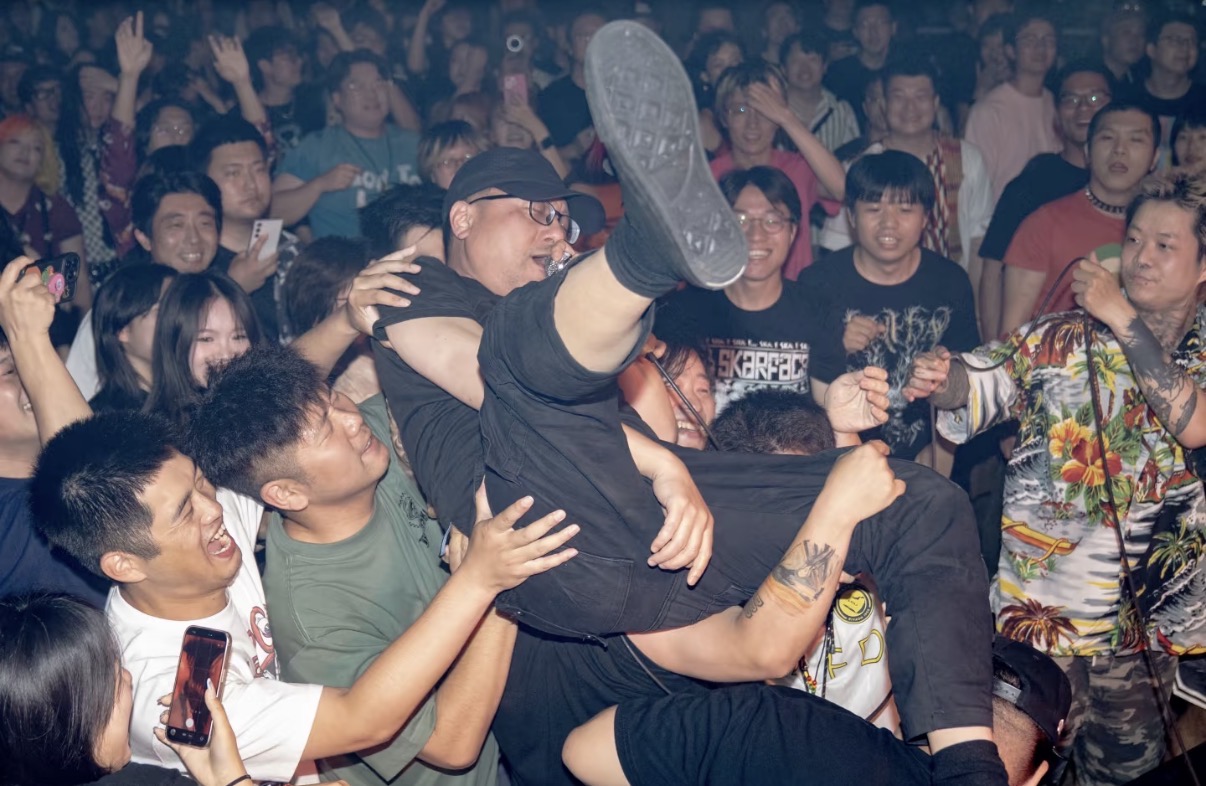
Despite these challenges, 9Club remains a pillar of Hangzhou’s scene, having hosted a diverse array of shows—from rock and punk to electronic music—since 2011. With a flexible layout accommodating different event sizes, this live music house serves as the heartbeat of the city’s cultural community, offering a nurturing ground for emerging talent and local gatherings.
The vibrant landscape of China’s nightlife cannot be encapsulated by any singular narrative. It thrives beyond mere geography, resonating through collective experiences, energetic performances, and an unwavering dedication to creativity. As the world begins to take notice of this ephemeral scene, it continues to evolve, reminding us of the enduring power of music and community in the face of change.
All images via Xiaohongshu.