Electronic Music in Asia: A Journey Through Vibrant Soundscapes
Across Asia, electronic music is reshaping itself in unique ways, making clubs and festivals reflect local cultures while promoting diverse talent. This thriving scene is not simply an offshoot of Western styles; it is crafted in its own right, deeply rooted in sociopolitical contexts, local traditions, and evolving tastes.
A Transformative Revolution
Previously dominated by imported headliners and global trends, the landscape has transitioned into a self-assured network of localized scenes. Cities like Tokyo, Seoul, Bangkok, and Jakarta now have a vibrant cultural tapestry woven from their history, communities, and the lived experiences of their inhabitants. These urban centers are becoming more than just stops along a global clubbing circuit; they are emerging as essential destinations with distinct identities.
The Electronic Music Fabric
Each Asian country’s music scene unfolds multiple narratives, moving away from a singular storyline. With strict licensing laws and cultural nuances shaping how music is experienced, club ecosystems emerge as varied as the array of electronic genres. Tokyo’s curated listening rooms, for instance, serve as microcosms of artistic expression, while Korea’s techno scene showcases attention to detail in a demanding crowd.
Notable Hubs of Electronic Culture
-
Tokyo:
- WOMB and Vent stand out with high-quality sound systems that cater to both dance and casual listening. Beyond the big names, neighborhoods like Koenji and Hatagaya host intimate micro-clubs where locals curate their own programming.
-
Seoul:
- Venues like Faust provide a space for the city’s underground to flourish, combining international acts with an impressive local roster. The music scene thrives on engaged audiences who seek out experiences beyond mainstream offerings.
-
Bangkok:
- Here, the nightlife economy blends local collectives with international circuits. Clubs like Beam have established themselves as essential venues where high-quality sound combines with innovative programming to anchor the city’s scene.
-
Shanghai and Hong Kong:
- Both cities are home to tightly networked underground scenes shaped by local regulations and community-driven expressions. This enriches the cultural fabric amid shifting socio-political landscapes.
-
Jakarta and Bali:
- Jakarta’s emerging artist-led communities contrast with Bali’s open-air party culture, creating unique experiences that tell diverse stories across just a few miles.
Clubs and Venues to Experience
Essential Clubs
- WOMB (Tokyo): Famed for exceptional sound systems and an eclectic lineup.
- DADA Club (Shanghai): A tightly curated space reflecting freedom of expression.
- Faust (Seoul): The city’s pulse after the decline of Cakeshop, a haven for local talent.
- CÉ LA VI (Singapore): Boasts panoramic views and a program that blends international and local acts.
Festivals to Attend
If you’re an electronic music enthusiast exploring Asia, certain festivals are worth planning your travels around:
- Wonderfruit (Thailand): A unique blend of electronic music with art and sustainability.
- Rainbow Disco Club (Japan): Known for its precise curation and dedication to house and techno.
- Vh1 Supersonic (India): A gathering of global headliners and local talent introducing new audiences to contemporary electronic music.
Curating Your Experience: An Itinerary
For a fulfilling experience, consider fewer cities and longer stays that allow you to immerse yourself in the local club culture:
- Tokyo: Spend a week hopping between WOMB and micro-clubs, ensuring enough time for hangover recovery and relaxed exploration.
- Seoul: Return to Faust, delve into pop-up warehouse parties, and appreciate the local underground.
- Bangkok: Seek out underground gatherings led by local collectives for a more organic party experience.
Finding the Right Accommodations
Choosing accommodations strategically can greatly enhance your music journey across Asia. Staying near nightlife hotspots can minimize logistical hassles, letting you focus on enjoying the music instead. Consider these neighborhoods:
- Tokyo: Shibuya or Shinjuku for easy access to popular venues.
- Seoul: Hongdae or Itaewon, vibrant areas filled with nightlife options.
- Bangkok: Thonglor, known for its eclectic mix of bars and clubs.
Understanding the Scene: The Future Ahead
The next era for electronic music in Asia will focus on how these vibrant landscapes will evolve. There is a growing interest in supporting local talent over external headliners, fostering a community-centered approach rather than a market-driven one. This means a gradual accumulation of better infrastructure and more intentional programming.
As Asian nightlife flourishes, each city is determining its unique musical identity, blending cultural aspects with electronic sounds that resonate with both locals and travelers. Rather than competing with established scenes like Berlin, Asia is carving out its narrative—a testament to its rich cultural tapestry filled with local collectives and sounds.
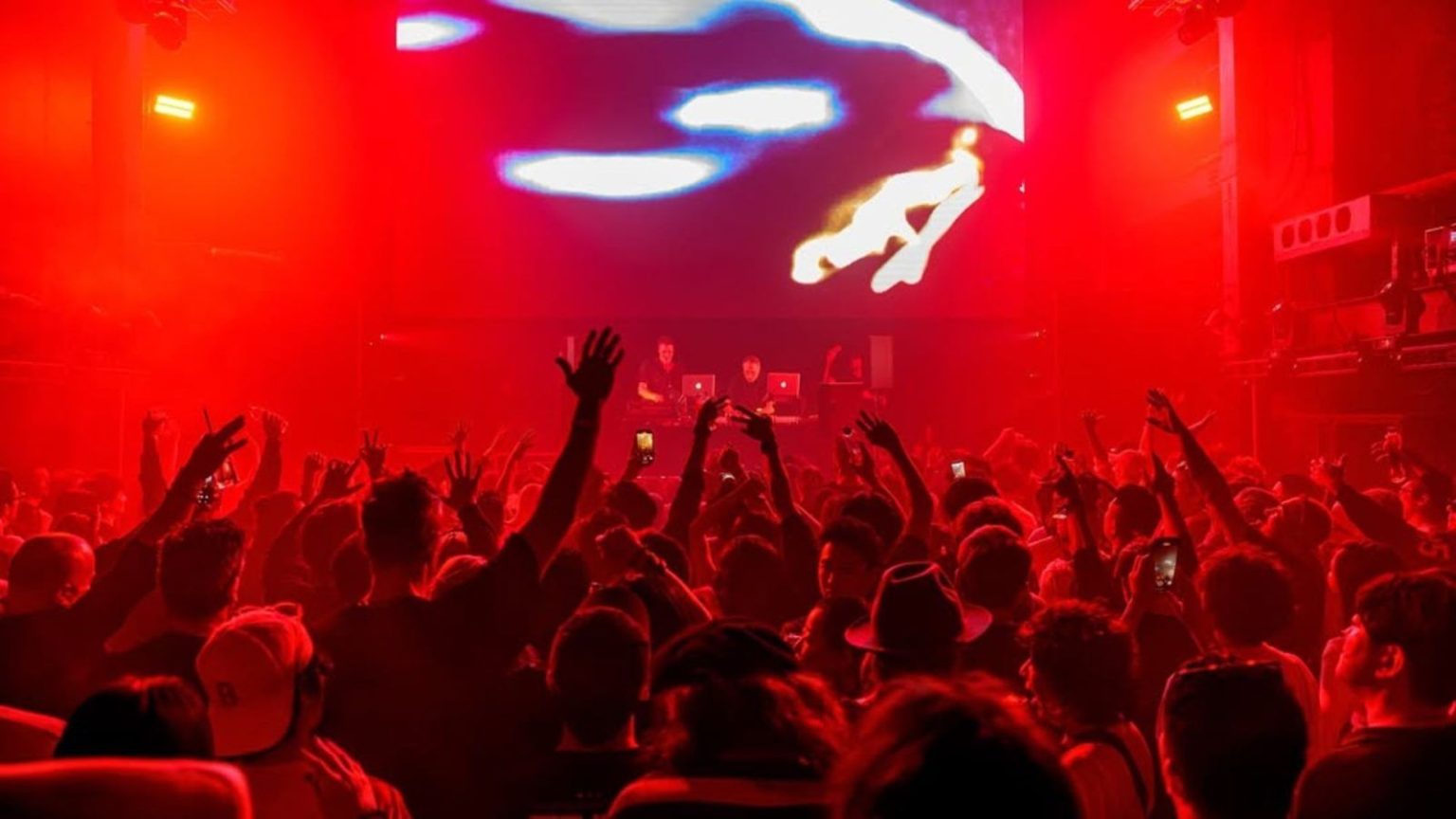
Feature Image Credit: WOMB, Tokyo/Instagram
Whether you’re a seasoned vinyl junkie or a casual music fan, Asia offers vibrant electronic music experiences waiting to be explored.