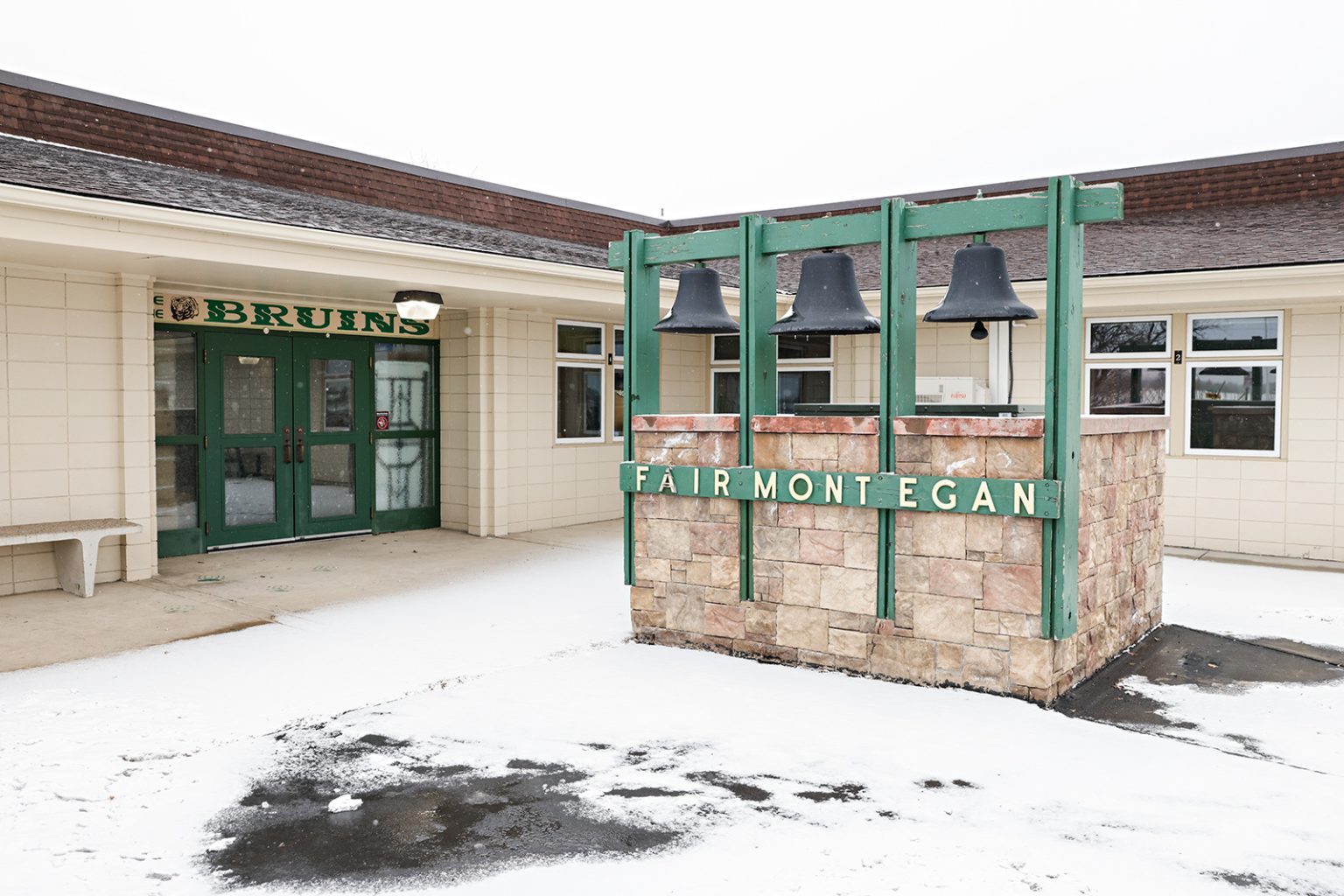
Fair-Mont-Egan School’s Levy Proposal: A Community’s Crucial Decision
Fair-Mont-Egan School is facing a significant crossroads as it prepares to put a pair of levy proposals before voters this coming May. Joined by fellow East Valley district Cayuse Prairie, the school seeks much-needed funding to address looming deficits and ensure the continuity of its educational services. This article explores the details surrounding the proposed levies and the broader challenges the district is contending with.
Understanding the Proposed Levies
At the recent school board meeting, members approved a general fund levy aimed at raising approximately $133,000. This figure remains subject to change, pending the release of state enrollment figures due in early March. The general fund levy is pivotal for maintaining essential staffing and operational needs, especially in light of a projected shortfall of around $217,000 without these additional revenues.
In tandem, the board also endorsed a technology fund levy proposition set at $250,000, targeting a five-year timeframe. This levy is essential for updating and replacing campus technology, particularly student laptops, as well as for enhancing digital security protocols to safeguard student data. The increasing costs associated with new curricular requirements also necessitate this financial support.
Interestingly, the board opted not to pursue a separate building reserve levy. Following discussions, members concluded that offering multiple levies might overwhelm potential voters and deter support. By narrowing their focus to just two levies, the board aims to maximize their chances for approval.
The Budgeting Challenges Ahead
Julie Wood, the district clerk, presented pressing budgeting challenges that underscore the urgency of these levies. Over recent years, general fund expenditures have consistently trended higher than anticipated budgets. Efforts to curtail costs have included staffing reductions, yet these strategies have not sufficiently bridged the funding gap.
Superintendent Tina Blair further emphasized the strain the district is under, exacerbated by the cessation of COVID-related federal funds and the loss of a crucial literacy grant. In addition to these financial hurdles, inflation has surpassed state funding increases, putting additional pressure on the school’s resources.
This multifaceted predicament is compounded by a pressing need to address aging infrastructure, revamping outdated curricula, and ensuring competitive teacher compensation to attract and retain quality educators. “There’s not very much left that’s not necessary,” Blair stated, illustrating the dire circumstances the school is facing.
Historical Context of Levy Approvals
A critical aspect of this discussion is the historical context surrounding levy approvals in Montana. Fair-Mont-Egan has not passed a general fund levy since 2005, mirroring a broader decline in acceptance rates for elementary school levies across the state. In 2006, approximately 97% of proposed levies were approved, compared to just 50% in 2025. This alarming trend highlights the increasingly challenging landscape for schools attempting to secure funding through voter support.
Upcoming Election Process and Voter Impact
As Fair-Mont-Egan prepares to launch its levy proposals, it is essential for the community to consider the implications of their votes. This spring’s election will be conducted via all-mail ballots, with ballots due back by May 5. The decisions made during this election will significantly influence the district’s ability to navigate its financial challenges and continue delivering quality education to its students.
Throughout this process, community engagement and informed voting will be crucial. As the district navigates its fiscal landscape, the support—or lack thereof—from voters will play a vital role in shaping the educational experience for generations to come.