Americans’ Weight-Loss Struggles: Finding Solutions in GLP-1 Medications
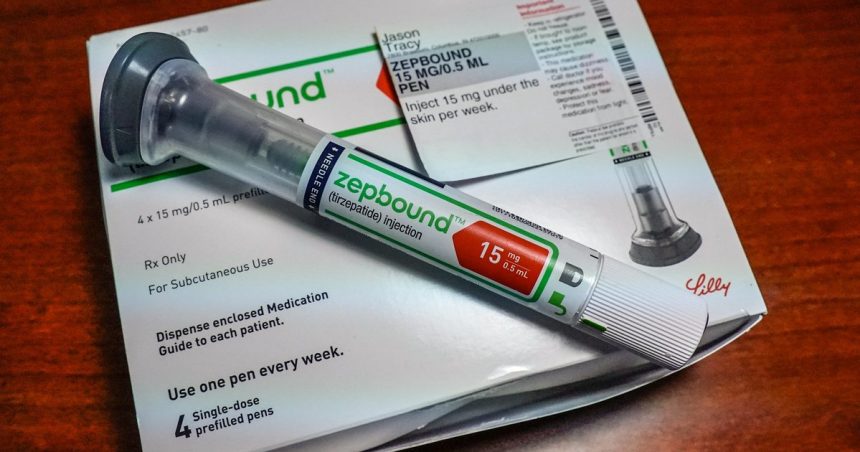
Americans have long expressed a desire to shed those extra pounds, yet often fall short when it comes to achieving lasting weight loss. Year after year, resolutions to lose weight, exercise more, and eat healthier consistently rank among the most popular New Year’s resolutions. Recent trends, however, indicate a shift in this narrative with the increasing demand for GLP-1 weight-loss drugs, such as Ozempic, Wegovy, Mounjaro, and Zepbound. These medications, especially among older Americans, are becoming a focal point in the battle against rising obesity rates.
- Americans’ Weight-Loss Struggles: Finding Solutions in GLP-1 Medications
- A Statistical Landscape of Obesity
- Are GLP-1 Drugs the Solution?
- Increasing Popularity of GLP-1s
- A Comprehensive Approach to Weight Loss
- Amplifying the Effects of GLP-1 Medication
- Exploring Natural Alternatives
- Embracing Integrated Solutions for Weight Management
A Statistical Landscape of Obesity
The timeline of obesity in the United States paints a concerning picture. According to the Centers for Disease Control and Prevention (CDC), the obesity rate peaked at 42% in 2020 but showed a slight decrease to around 40.3% in 2025. While this dip is promising, a deeper look reveals that when considering individuals classified as overweight, an alarming 70% of the population carries excess weight. This presents a significant public health challenge.
Are GLP-1 Drugs the Solution?
The emergence of GLP-1 medications has been highly lauded as a potential solution to the obesity crisis. As effective as they may be, it’s crucial to understand that these drugs are not a one-size-fits-all answer. Experts caution that while these medications represent a significant advancement in obesity management, they should not replace essential lifestyle changes, such as proper diet and exercise.
Increasing Popularity of GLP-1s
A recent Gallup survey noted an increase in the usage of GLP-1 drugs, rising from 5.8% in February 2025 to 12.4% by October. Notably, the demographic most inclined to use these medications includes adults aged 50 to 64, with women leading in usage rates at 15.2%. This increasing reliance on GLP-1 drugs coincides with the slight reductions in obesity rates, suggesting that many Americans feel the need for additional assistance in their weight-loss efforts.
In a Pew Research Center survey, 71% of adults categorized as very or slightly overweight believed that willpower alone is insufficient for weight loss. Interestingly, even those who view themselves as having an ideal weight share similar sentiments, highlighting a widespread acknowledgment that achieving sustained weight loss requires more than just determination.
A Comprehensive Approach to Weight Loss
While GLP-1 medications can contribute to weight reduction—often achieving losses between 15% and 21%—medical experts insist that integrating these treatments with lifestyle modifications yields the best outcomes. Research from Mass General Brigham emphasizes the need for combining medication with personalized nutrition and physical activity regimens. Such tailored approaches can lead to sustained weight loss, help preserve muscle mass, and minimize potential side effects of medication.
A study conducted by Italian scientists further substantiates the importance of this integrated strategy, indicating a risk of regaining lost weight if one solely relies on GLP-1 therapies. They advocate for a combination of drug use and lifestyle adjustments to secure long-term success in managing weight.
Amplifying the Effects of GLP-1 Medication
To maximize the benefits of GLP-1 medications, health professionals recommend regular physical activity and nutritional attention. Sina Hartung from Harvard Medical School suggests that each meal should ideally contain about 25% of calories from protein, which promotes satiety and helps maintain muscle. Furthermore, a daily fiber intake of around 30 grams—found in fruits, vegetables, and whole grains—can mitigate constipation, a common side effect of GLP-1s. Staying hydrated is also vital; drinking 8-10 ounces of water each day with electrolytes can help with gastrointestinal issues that might arise.
On the exercise front, Hartung advises incorporating two, 20-minute sessions of resistance training weekly. This will support lean muscle maintenance while on a caloric deficit. Additionally, walking 7,000 to 10,000 steps a day and adhering to CDC guidelines of 150-300 minutes of moderate activity per week can reinforce weight-loss efforts and help counteract muscle loss.
Exploring Natural Alternatives
Beyond medications, there exists an intriguing discourse around naturally stimulating GLP-1 levels in the body. Researchers at Ohio State University point to specific foods and lifestyle changes that could lead to the natural activation of GLP-1. Healthy fats, lean proteins, and high-fiber foods can promote the secretion of this hormone, providing a drug-free avenue to manage weight effectively.
In addition to dietary choices, factors such as regular meal patterns, optimal hydration, physical activity, quality sleep, and stress management play a pivotal role in harnessing the body’s natural mechanisms for weight control. This holistic approach may require additional effort but offers a valuable alternative to pharmaceutical interventions.
Embracing Integrated Solutions for Weight Management
The intersection of pharmacotherapy and lifestyle changes appears to be the future of obesity management. While GLP-1 medications introduce a significant tool in the toolbox against obesity, the path to sustainable weight loss remains grounded in healthy practices. Understanding that there’s no miracle solution—be it an injection or a pill—is crucial. Instead, fostering a proactive approach by combining the pharmacological support of GLP-1s with a commitment to healthier living is a promising route for Americans facing their weight-loss challenges.