Eating Your Way to a Sharp Mind: The Connection Between Diet and Cognitive Health
It’s no secret that a nutritious diet is essential for maintaining overall health, but recent research uncovers the pivotal role it plays in protecting brain function as we age. As scientists delve deeper into the relationship between what we eat and our cognitive wellbeing, it appears that consuming a balanced diet can substantially reduce the risk of cognitive decline and other neurological disorders.
The Significance of Midlife Eating Patterns
According to a new study led by Dr. Kjetil Bjornevik, a Harvard epidemiologist, what you eat in midlife may significantly impact brain health later in life. Dr. Bjornevik states, “A diet rich in vegetables, fish, and whole grains—while limiting processed meats and sugary foods—is consistently linked to better cognitive outcomes.” This observation is supported by evidence from numerous dietary patterns, particularly the DASH diet, designed to lower high blood pressure while promoting overall health.
The DASH Diet: A Pathway to Cognitive Resilience
Among the various diets evaluated in recent research, the DASH (Dietary Approaches to Stop Hypertension) diet stands out for its potential benefits on brain health. This plant-focused regimen emphasizes whole foods such as fruits, vegetables, fish, and whole grains. But it doesn’t just focus on cognitive health; it’s also geared toward controlling blood pressure, which indirectly supports brain function.
Researchers analyzed over 150,000 participants, primarily women aged around 44, over three decades. They assessed dietary adherence through self-reported food frequency questionnaires collected every four years to determine how closely participants followed a variety of established healthy eating patterns. Findings revealed that the enhanced cognitive health linked to these diets is particularly apparent in those who adhered to them between the ages of 45 and 54.
Findings on Dietary Patterns and Cognitive Decline
The study identified six healthy eating patterns that contribute to a lower risk of cognitive decline:
- DASH Diet: Focused on plant-based eating, which enhances heart health and cognitive clarity.
- Mediterranean Diet: A well-known model that encourages healthy fats, fish, and fresh produce.
- Planetary Health Diet: An environmentally sustainable approach to eating.
- Other Specialized Diets: Designed for reducing insulin levels and inflammation.
Researchers calculated diet scores based on adherence levels and correlated them with cognitive assessments taken toward the final stages of the study.
Key Findings:
- All six dietary patterns were associated with a reduced risk of subjective cognitive decline.
- Five of these diets correlated with higher objective cognitive function.
- Increased consumption of fish and vegetables—and reduced intake of red and processed meats, fried foods, and sugary drinks—was strongly linked to better cognitive health outcomes.
Dr. Bjornevik notes that the consistency across these varied dietary approaches suggests there isn’t a one-size-fits-all diet. “Dietary strategies can have beneficial effects on cognitive health,” he emphasizes.
The Role of Regular Diet Assessment
An essential aspect of this research is the repeated dietary assessments conducted during participants’ midlife years. This timeframe allowed for clearer conclusions about diet’s influence on cognition rather than the other way around. As noted by Dr. Jason Brandt, a researcher not involved in the study, the longitudinal data strengthens the finding that diet impacts cognition.
Cautions About Study Limitations
Though the findings are encouraging, it’s crucial to recognize the study’s observational nature. Reliance on self-reported data introduces potential biases, and given the study’s specific demographic—predominantly white, educated healthcare professionals—the results may not universally apply. Moreover, the reliance on subjective cognitive measures could miss nuanced understanding of participants’ actual cognitive abilities.
Tips for Eating to Support Cognitive Health
In light of the evidence supporting the DASH diet’s cognitive benefits, transitioning towards healthier eating habits can be both a preventive measure and a lifestyle enhancement. Here are practical tips to consider:
- Vegetarian Days: Aim to cook without meat at least twice a week.
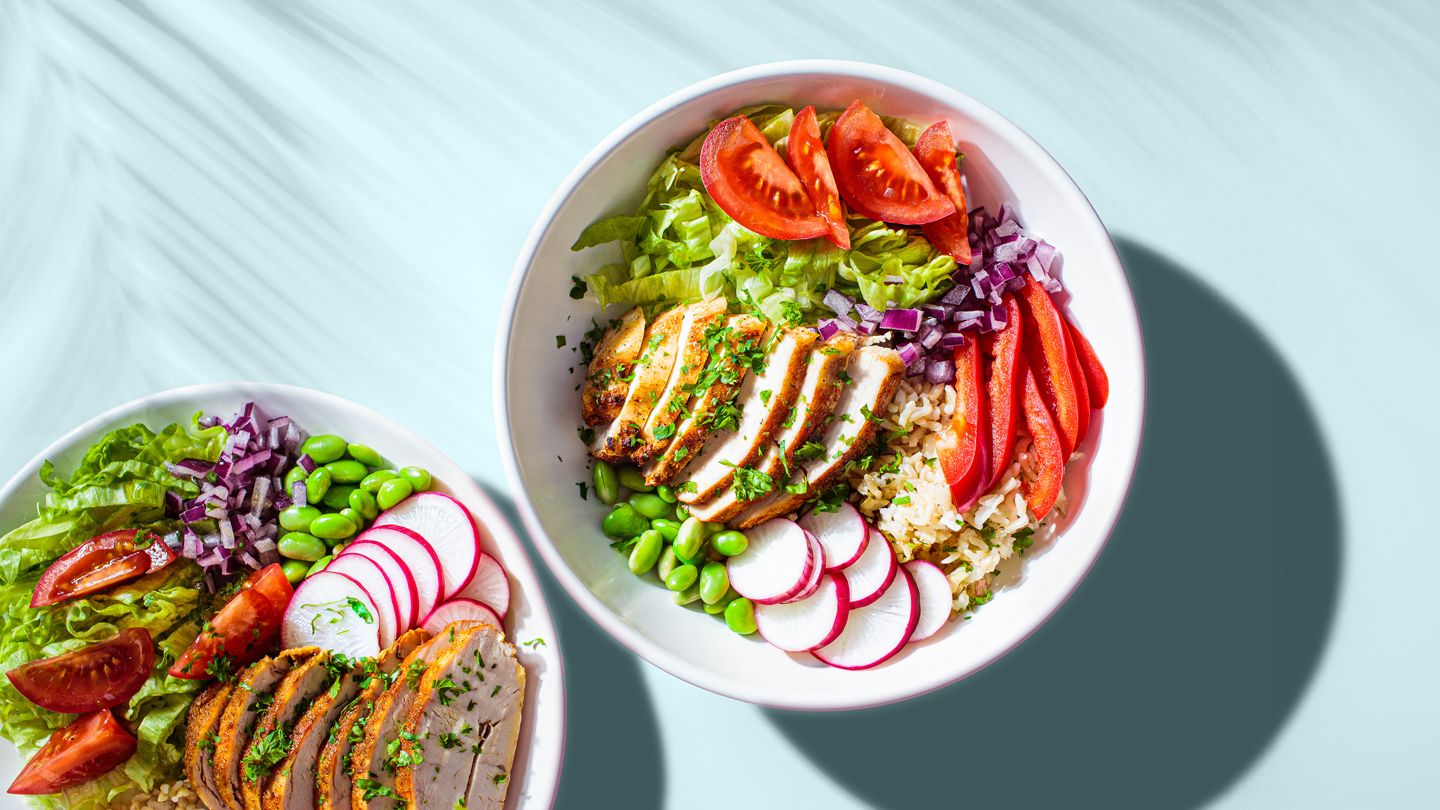
- Add Greens: Include something green—lettuce, kale, or spinach—on your plate for most meals.
- Smart Breakfasts: Top oatmeal or cereal with fresh fruit.
- Lunch Salads: Make salads or add sliced vegetables to sandwiches.
- Portion Control: Think of meat as a side dish rather than the main event at dinner.
- Healthier Desserts: Choose fresh fruit or low-fat yogurt over sugary treats.
- Snack Wisely: Opt for nuts, yogurt, or dried fruit as healthy snacks.
Exercise and Cognitive Health
Beyond nutritious eating, incorporating regular physical activity can also bolster cognitive health. Engaging in 30 minutes of moderate-intensity exercise, such as brisk walking or cycling, can significantly benefit cognitive function.
The holistic message is clear: adopting a heart-healthy, blood-pressure-lowering diet in midlife, combined with regular physical activity and other lifestyle enhancements (like staying cognitively active), contributes to better cognitive health as we age. So, as you plan your meals, remember that every nutritious choice you make is a step toward preserving not just your physical health but also your mental vitality.