
The Evolution of Burner and Raver Cultures: A Deep Dive
When it comes to counter-cultural communities, the worlds of burners and ravers frequently collide in the minds of the general public. The blending of these two groups is understandable, given the overlap in their shared values of art, community, and creative self-expression. At their core, both communities celebrate individuality and collective experiences, yet they manifest these ideals in notably different ways.
Cultural Foundations: Principles and Values
Burners adhere to a philosophical framework characterized by the ‘10 Principles’ of Burning Man, emphasizing values such as radical inclusion, gifting, participation, and self-reliance. These principles create a structured environment where creativity thrives, and participants are encouraged to contribute actively rather than passively consume.
In contrast, the rave culture often rallies around the mantra of PLUR—Peace, Love, Unity, and Respect. While these values promote camaraderie and acceptance, they lack the formal structure and depth of the burners’ principles. In some ways, this reflects a key difference in focus: while burners construct community through defined practices, ravers tend to embrace a more free-spirited, ephemeral approach to connection and celebration.
The Intermingling of Music and Art
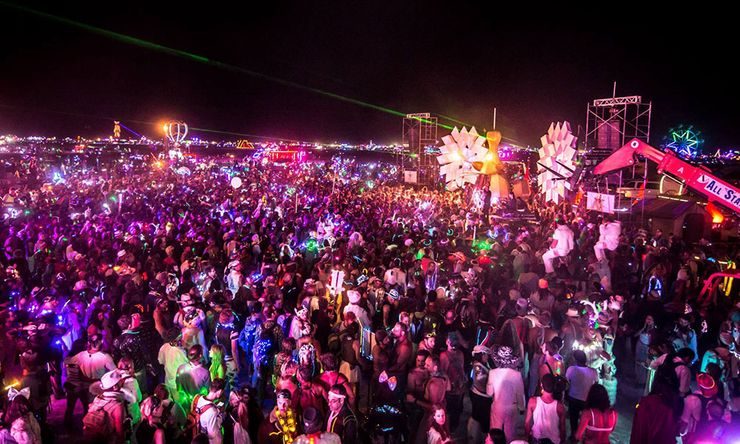
Although Burning Man is fundamentally not a music festival, it has increasingly been punctuated by musical camps and performances, particularly from the EDM scene. Many attendees find themselves drawn to the artful expression found in the vibrant soundscapes created on the playa. The integration of music, albeit in a less structured context than traditional festivals, has led to a palpable presence of electronic music culture in recent years. This intersection, however, is now facing a significant shift.
Recent Changes at Burning Man
In response to certain challenges, particularly those surrounding ticket scalping and a perceived influx of attendees seeking out major DJ performances rather than the core ethos of Burning Man, organizers implemented restrictions on sharing set times. As highlighted by an incident with the camp White Ocean, which prematurely leaked DJ schedules, this decision aimed to dissuade casual attendees from prioritizing blockbuster performances over community involvement.
This year, these restrictions have escalated. At least five sound camps have been denied placement on the playa, drastically limiting their capacity to participate in the event. For instance, Opulent Temple, a beloved fixture at Burning Man for 11 years, received significantly fewer tickets than in previous years and lost its desired location. Similarly, Dancetronauts, famous for their roving dance parties, were banned entirely due to claims of excessive volume and other disruptive factors.
Exploring the Rationale Behind the Restrictions
The justification for these bans varies significantly across the affected camps. For Opulent Temple, the criticism centered on their level of interactivity, which was deemed insufficient for the immersive spirit of the burn. Dancetronauts, on the other hand, faced consequences for their loud music and a format that heavily featured one DJ presenting personal music. These rationalizations reflect a desire from event organizers to preserve the essence of Burning Man, focusing on true participation rather than entertainment based solely on music.
Community Reactions and Discussions
Naturally, the bans have ignited discussions within both communities about the future of music and art at Burning Man. Are these restrictions an attempt by organizers to distance the event from the mainstream allure of EDM, or are they legitimate responses to protect the ethos of the event? The discourse invites a variety of opinions, with some advocating for more structure and others valuing the spontaneous explosion of creativity that music brings to the playa.
Such debates are reflective of Burning Man’s own ethos—a community constantly in flux, navigating the waters of tradition and innovation. No matter where one stands on the matter, it’s clear that the evolving relationship between burners and ravers will be a focal point in upcoming years as they continue to coalesce and diverge.
Exploring these developments offers a glimpse into the future of artistic expression and community within the realms of burner and raver cultures, sparking rich conversations that will resonate well beyond the desert. If you have thoughts on this unfolding narrative, share your views on social media or in community discussions.



