
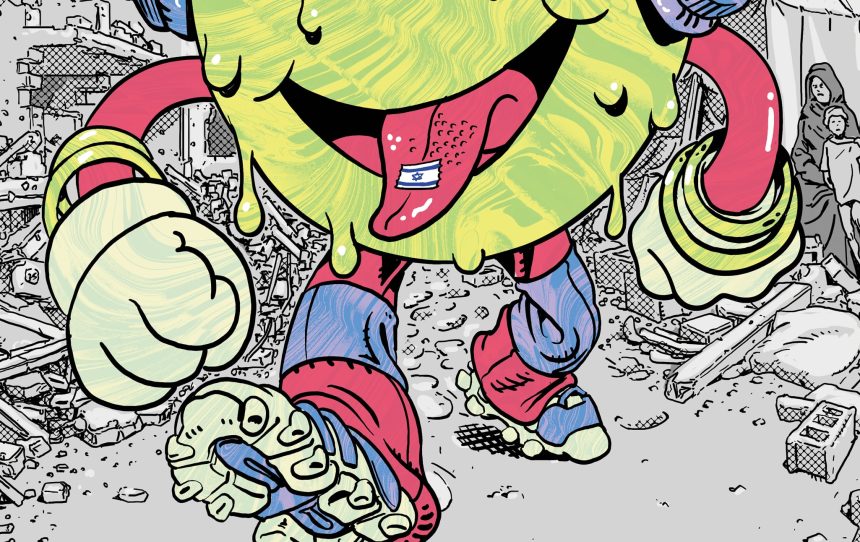
The Intersection of Music, Culture, and Conflict in Israeli Psytrance Festivals
The Setting
At dawn on a Tuesday morning in the desert of southern Israel, the air buzzes with excitement as EDM fans arrive at the Supernova Sukkot Gathering. The rhythmic pounding of a drum machine echoes through the open space, setting the beat for the day’s festivities. The atmosphere is vibrant—tribal tattoos and colorful attire reflect a melting pot of cultures. Immediately, attendees, decked out in light fabrics and adorned with intricate jewelry, embody a sense of unity through a shared love for music.
This festival, powered by the Israeli live music events company Nova, is a showcase for some of the biggest names in psytrance, including artists like Artifex, Astral Projection, and NoFace. With an eclectic mix of ancient spiritualism and modern rave culture, the gathering serves as both a place of liberation and a complex reflection of the sociopolitical landscape surrounding it.
Cultural Roots and International Influences
The Supernova Sukkot Gathering is an extension of the Brazilian Universo Parallelo festival, which celebrates its 23rd year in the Bay of All Saints, Brazil. This blending of cultures signifies not only a departure from the constraints of daily life but also a convergence of global influences. The festival grounds transform into a euphoric scene where participants escape the realities of their environments through sound and substance, gliding between realms of heightened consciousness.
Meanwhile, the deeper implications of such gatherings emerge when viewed against Israel’s historical backdrop. These events often capture a collective yearning for transcendence, resonating strongly in communities that have experienced turmoil, trauma, and displacement.
A Clash of Reality: From Freedom to Fear
However, when the euphoric beats are interrupted by the sound of sirens, the harsh reality hits. As two squadrons of Hamas’ Al-Qassam Brigades storm the area, chaos ensues. Sirens pierce through the music as panic spreads, with festival-goers fleeing in disparate directions. For many engaged in communal celebration just moments earlier, this is a startling revelation of vulnerability in the face of longstanding conflict.
The festival’s juxtaposition—celebration against the backdrop of violence—mirrors ongoing struggles in Israeli society, where military protocols intermingle with civilian life. Festival organizers and attendees, many of whom are former soldiers, navigate a dichotomy that blurs the lines between celebration and conflict.
Historical Echoes and Modern Struggles
The origins of this festival have historical undercurrents tracing back to the establishment of Kibbutz Be’eri and the subsequent founding of Kibbutz Re’im amid the Nakba—an ongoing campaign of forced displacement against Palestinians. Established just a day after the Supernova festival, Kibbutz Re’im was built as a stronghold in a volatile region, ushering in a pattern of settlement that further entrenched socio-political divides.
During these festivals, the spirit of ancient and alternative spirituality often clashes with the realities on the ground. Participants experience fleeting moments of freedom while grappling with the ramifications of their nation’s militaristic operations, evidenced by the expanding Gaza conflict.
Israeli Cultural Expression: Psytrance as Escape and Reflection
Israeli psytrance reflects a broader cultural phenomenon: the desire to escape from existential dread through art and community. The rise of artists within the trance scene, like Avi Nissim and Har-El Prussky, reveals an adaptive cultural response to societal pressures. Their music becomes a means of coping and affirming identity, often devoid of a direct confrontation with the underlying political questions that swirl around it.
Yet, as the festival culture blooms, the realities of life in Gaza and the occupied territories create a chasm that many seemed eager to ignore. Festivals, while celebratory, serve as a luxury experience that often sidesteps deep engagement with the Palestinian narrative. Ravers, many seeking to disengage from their realities through dance, find themselves in the midst of landscapes shaped by their own country’s actions.
The Role of Music in Political Expression
Within Palestine and its diaspora, music has evolved as a form of resistance and expression, particularly in contrast to the lavish psytrance events across the border. Artists like SAMA’ gain prominence by integrating electronic sounds with traditional motifs, challenging the imposed narratives while highlighting their resilience.
These contrasting musical movements speak to a broader dialogue over identity, belonging, and resistance. As the Palestinian music scene gains recognition, it interweaves themes of struggle and vision for a future that resonates beyond the confines of their reality. The juxtaposition against the backdrop of Israeli nationalism creates a rich tapestry of conflicting cultural expressions.
Navigating Cultural Intersections
The burgeoning electronic music scene in Palestine encapsulates its struggles while showcasing its aspirations. Artists strive to reclaim narratives lost to history, utilizing music as a platform for social change. The stark differences between the experiences of ravers enjoying the Supernova festival and those of Palestinians crafting their own cultural resurgence serve as a poignant reminder of the complexities of identity, experience, and resistance in the region.
In conclusion, the Israeli rave scene represents both an escape from and a neglect of the local realities—a luxury carved out from a historical struggle that continues to shape the lives of many. As cultural producers emerge from both sides of the divide, questions about inclusivity and the future of artistic collaboration and expression linger, especially in the context of ongoing conflict and change.