
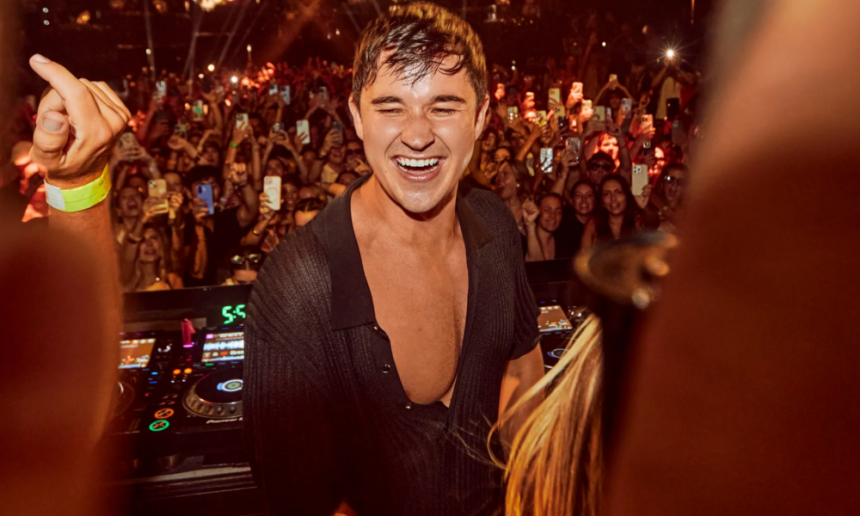
Calvin Harris made history at Rock in Rio on September 6, 2026, as he became the first DJ to close the iconic Palco Mundo as the day’s headliner. This significant milestone coincided with Harris’s inaugural appearance at the festival, which marked the 25th anniversary of electronic music being featured at Rock in Rio. Since the introduction of a dedicated electronic space in 2001, the genre has gradually secured a more prominent place within the festival, culminating in Harris’s landmark performance on the festival’s largest stage.
### Electronic Music’s 25-Year History at Rock in Rio
The events at Rock in Rio have always been characterized by their musical diversity. Back in 2001, the festival made a pivotal move by introducing a dedicated electronic music tent. This innovative addition not only allowed DJs and electronic artists to showcase their talents but also reflected Rock in Rio’s evolution beyond its initial rock-centric offerings. As the years passed, electronic music increasingly carved out a niche within the festival’s expansive framework, leading to the creation of the New Dance Order stage, which became synonymous with the festival’s electronic experiences.
Fast-forward to 2026, and the landscape for electronic music at Rock in Rio is vastly transformed. The New Dance Order stage is an impressive architectural feat, measuring 56.5 meters wide and 22.5 meters high, adorned with over 500 square meters of LED panels. Electronic artists are now ubiquitous throughout the festival lineup, with DJs taking the spotlight in various slots. Notably, Alok made an appearance on Palco Mundo, further embedding electronic music’s presence in the festival’s identity.
Prior to Calvin Harris’s historic set, renowned names such as David Guetta, Alok, and Marshmello had graced the Palco Mundo stage. However, these artists often set the stage for a traditional rock or pop act to conclude the night. In 2026, the paradigm shifted as Harris took on the honors of being the first DJ trusted with the closing performance, a testament to the genre’s growing influence in the festival’s rich tapestry.
### Calvin Harris’ First Rock in Rio Headline Set
When Calvin Harris took the stage for his maiden performance at Rock in Rio, he brought with him an impressive catalogue that seamlessly intertwined electronic music with the global pop phenomenon. His collaborations with artists like Rihanna, Dua Lipa, Ellie Goulding, and The Weeknd produced some of the most iconic dance tracks over the past twenty years. These hits have not only defined club soundtracks but also reached broad mainstream audiences, solidifying Harris’s position as one of the leading figures in modern electronic music.
During his electrifying set, Harris showcased fan-favorite tracks that highlighted his journey through music. Hits like “One Kiss,” “This Is What You Came For,” and “How Deep Is Your Love” filled the air, creating an electric atmosphere that resonated with both festival-goers and electronic music enthusiasts alike. Each song has played a pivotal role in connecting Harris with audiences, serving as a bridge between festival energy and commercial success.
### Cultural Significance of Calvin Harris at Rock in Rio
Calvin Harris’s headlining set at the 2026 edition of Rock in Rio represents much more than just a musical performance; it signifies a cultural milestone for electronic music. This historic closure brings full circle the initial chapter from 2001, where electronic music was relegated to a tented space within the Cidade do Rock. Harris closing Palco Mundo not only reflects his stature as an artist but also symbolizes the genre’s journey from the sidelines to the forefront of one of the world’s premier music festivals.
In a vibrant week that showcased an amalgamation of rock, pop, hip-hop, K-pop, and electronic music, Harris’s performance stood out as a defining moment. The 2026 lineup boasted headliners such as the Foo Fighters, Avenged Sevenfold, Elton John, and Maroon 5, reinforcing the festival’s commitment to diversity. Calvin Harris’s selection as the closing headliner for Palco Mundo on a night filled with musical legends represents a pivotal recognition of electronic music’s significance on a global stage.
With its rich history and continuous evolution, Rock in Rio remains a prime example of how music festivals can adapt to include a wide range of genres. The incorporation and celebration of electronic music within its fabric illustrate the Festival’s commitment to inclusivity and its ability to mirror the changing tides of popular music. As electronic music establishes itself further, the festival continues to be a barometer of musical trends, and Calvin Harris’s monumental achievement underscores that journey.