The Great EDM Debate: Understanding the Term and Its Evolution
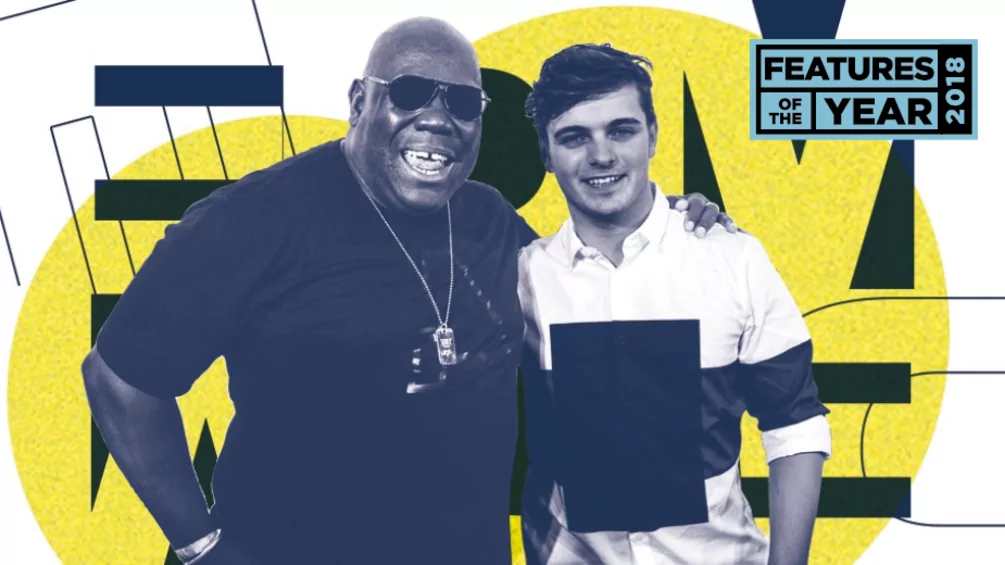
It all began five years ago at a media dinner that felt like an episode of a bad sitcom. I found myself wedged between two seasoned international journalists—one from Amsterdam and another from New York—discussing a new dance-music-meets-yoga festival headed to Thailand. As the presentation rolled on, Mr. NYC voiced his hope that Carl Cox would be performing, claiming him as his “favorite EDM DJ right now.” Gasps echoed around the table; Mr. Amsterdam and I exchanged incredulous looks. “EDM and Carl Cox? Confused, you must be,” stammered Mr. Amsterdam. What ensued was a heated debate over the very definition of EDM—one that would leave me pondering the disconnection between a revered artist and a term often treated with disdain.
The Clash of Perspectives
After seven elderflower cocktails, Mr. NYC remained firmly entrenched in his belief that EDM, shorthand for Electronic Dance Music, encompassed all machine-generated sounds, from techno to jungle. Meanwhile, Mr. Amsterdam was adamant that EDM was a creation of American cluelessness. “In Europe,” he declared, “EDM refers to that big-room Martin Garrix stuff, fit only for the Disney Channel!” Tensions escalated, culminating in a mini quiche flying across the table, a perfect metaphor for the passion this debate ignites.
Over the years, this controversy has permeated discussions on DJ Mag’s social media, with few topics eliciting such vehement reactions from fans. Perhaps it’s time to unpack what EDM truly represents and whether it’s merely a broad genre or a specific sound—one popularly dismissed as ‘Disney Channel’ dance music.
The Origins of a Confusing Terminology
To comprehend the roots of this confusion, we need to rewind to early 2002. Back then, while American teenagers were caught up in beer pong and blockbuster movies, Eminem declared, “Nobody listens to techno” in his hit single, ‘Without Me.’ As his chart-topping album ruled the airwaves, the U.S. music scene largely turned a blind eye to dance music, leaving genres like house and techno languishing in the underground.
Meanwhile, in Europe, the landscape was quite different. The UK club scene was alive and kicking, with DJs like Tiësto reigning supreme, and trance still representing a major force in nightlife. However, the late 90s and early 2000s saw a decline in mainstream American enthusiasm for dance music, an ironic twist given its origins in Chicago and Detroit.
The Rise of EDM: A Cultural Shift
In the years that followed, something changed. The 2008 release of Justice’s † provided American audiences with a digestible entry point to EDM. Their blend of rock and dance rhythms resonated as familiar and accessible, pulling in fans from various musical backgrounds. Meanwhile, acts like David Guetta ushered in a new era by infusing dance beats into pop songs, paving the way for a new wave of producers to take the stage.
Over time, DJs transitioned from clandestine club heroes to superstar brands, emerging as festival headliners catering to massive audiences. The pyrotechnics, extravagant visuals, and captivating performances became necessary elements for artists keen on capturing the enormous crowds that came to expect theatrical experiences.
What Does EDM Really Represent?
The term EDM itself does not capture a music genre but rather signifies the rapid commercialization of dance music from 2010 onward. It’s a label for the transformation of DJs into corporate entities, complete with strategic marketing teams and a focus on consumer experience. Festivals evolved into retail marketplaces, with fans drawn in not just for the music but for the entire extravaganza of sensations and shared experiences.
Martin Garrix, the poster child for this new breed of DJ, once articulated the frustration with the saturation of sound in EDM. His desire to create something unique reflects a broader trend within this genre, revealing how artists are often willing to adapt to maintain relevancy. This flexibility extends to an increasing number of DJs diversifying their styles, shifting away from pure EDM to explore more intricate sounds.
The Future of EDM and Its Aftermath
As the landscape continues to shift, the ability for artists to predict and follow trends becomes increasingly vital. Fans, too, are evolving, and we’re witnessing a rise in underground artists gaining mainstream recognition. This transition signifies a collective desire to return to more substantive musical experiences.
The clash over the term EDM illustrates a larger cultural shift, a debate reflective of changing musical tastes and preferences. While some cling to a specific definition, the reality is more complex. EDM has become a commercial umbrella under which a variety of sounds coexist, some deeply rooted in tradition and others pushing new boundaries.
What remains clear is that EDM is not merely a fad but a representation of an era in dance music history—one marked by rapid commercialization and the search for new musical identities. The focus is no longer solely on the genre but on how the experiences around it evolve, pushing artists and audiences to seek something deeper.