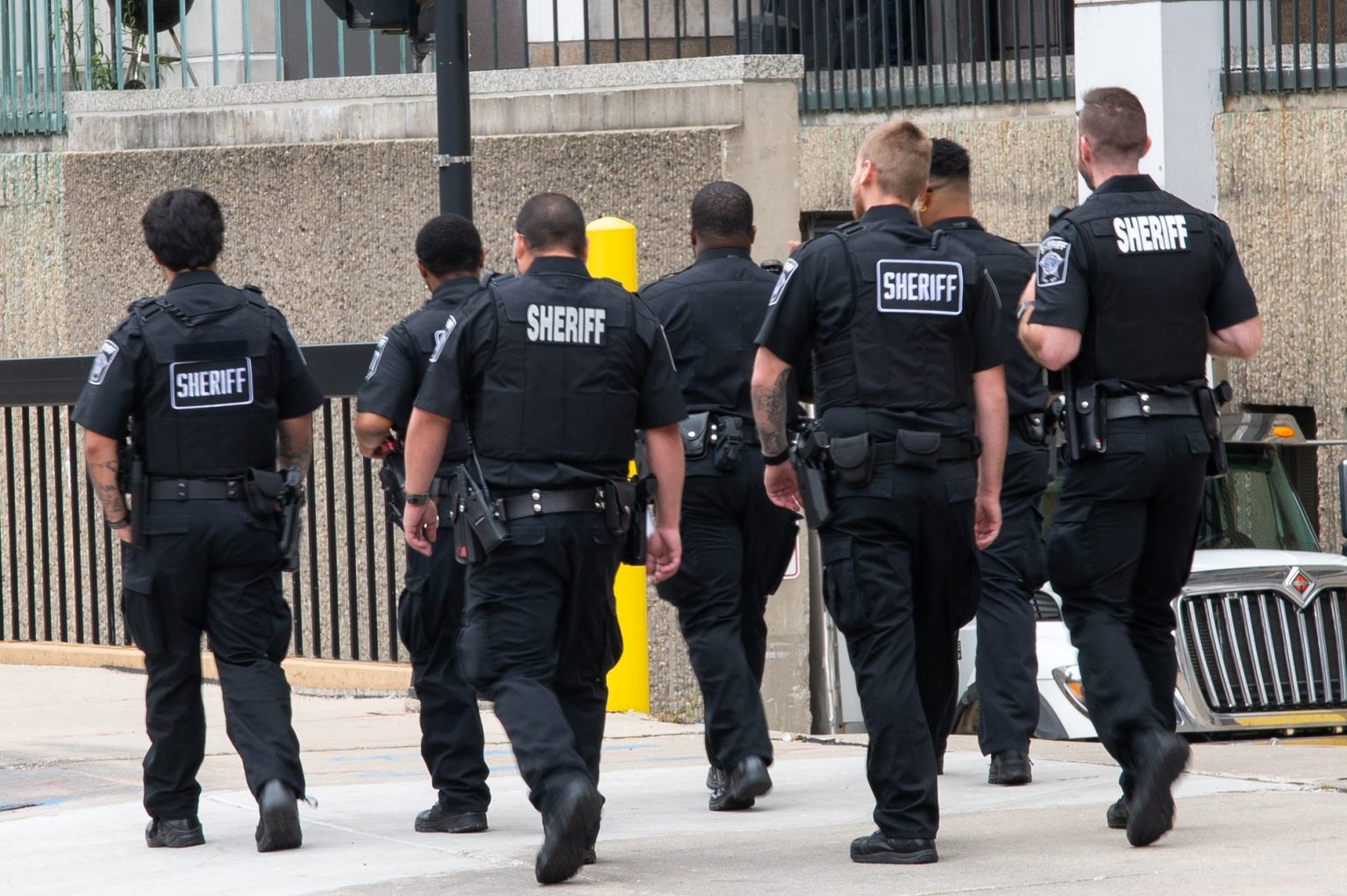
Sheriff Denita R. Ball’s Decision on Facial Recognition Technology
On February 27, 2026, Sheriff Denita R. Ball of the Milwaukee County Sheriff’s Office made headlines with her announcement that she would not proceed with implementing facial recognition technology—at least for now. In a statement reflecting a cautious approach, Ball stressed the importance of maintaining trust between law enforcement and the community they serve.
The Rationale Behind the Decision
Ball recognized the potential benefits of facial recognition technology as a powerful investigative tool. However, the current national climate regarding issues of privacy and surveillance weighed heavily on her decision. Her conversations with advocates shed light on the valid concerns surrounding the technology, prompting her to prioritize community trust over technological innovation at this time.
“This decision is not a retreat from innovation,” Ball stated, leaving open the possibility for future consideration of facial recognition technology. “Rather, it’s an understanding that timing matters, too.”
Context of the Announcement
This announcement came in the wake of a federal lawsuit filed on February 23 by the nonprofit group Protect Democracy. The lawsuit alleges that the Department of Homeland Security unlawfully used facial recognition technology to track legal observers, labeling them domestic terrorists. Such misuse of the technology raises alarms not just locally in Milwaukee but across the country, reinforcing concerns about its ethical implications.
Local Responses and Community Concerns
Before the Sheriff’s announcement, there was heightened anxiety among residents about the Milwaukee County Sheriff’s Office possibly partnering with Biometrica, a company known for providing access to facial recognition search results. James Burnett, the director of public affairs and community engagement at the Milwaukee County Sheriff’s Office, noted that while Ball had signed an “agreement of intent” with Biometrica, the contract was still in draft form and had not yet been executed.
The apprehensions were echoed by Milwaukee Police Chief Jeffrey Norman, who already banned the use of facial recognition technology within his department earlier that month. Adding to the controversy, on February 24, he suspended Officer Josue Ayala for improperly using a tracking tool to monitor a dating partner.
Advocacy Group Response
Social justice groups and civil rights advocates have long voiced their fears regarding facial recognition technology. Issues such as reported inaccuracies, racial bias, and potential privacy violations remain at the forefront of their concerns. Katie Kinsey of the NYU Policing Project highlighted how facial recognition technology operates: by using artificial intelligence to compare photos of unknown faces against databases sourced from mug shot collections, driver’s license records, or even images from social media.
Investigative Practices in Question
In a disturbing revelation earlier this year, the Milwaukee Police Department acknowledged it had been using external agencies’ licenses for facial recognition searches for two to three years without a written policy in place. This admission raised serious questions about transparency and accountability in local law enforcement practices, further fueling public dialogue on the subject.
Moreover, there were discussions regarding an agreement with Biometrica that could have allowed the department access to facial recognition technology in exchange for about 2.5 million Milwaukee County Jail booking photos. This proposal faced significant pushback from community members concerned about ethical implications and misuse.
Future Outlook
Though Sheriff Ball and Chief Norman have paused any immediate use of facial recognition technology, both have indicated that the conversation is far from over. The Milwaukee Police Department has communicated their willingness to revisit the topic, but only when a comprehensive policy exists that balances public safety with community concerns.
The American Civil Liberties Union of Wisconsin continues to encourage residents to remain vigilant. Their spokesperson emphasized the hard work local leaders and community members have put into engaging public discourse on this issue, noting that the opposition to facial recognition technology remains strong and organized.
In a world increasingly defined by technology, the decisions made by law enforcement in Milwaukee serve as a case study not only for the local community but as a reflection of the broader national conversation on privacy, surveillance, and civil rights. The developments in the coming months and years will undoubtedly warrant close attention from both residents and advocates alike.