
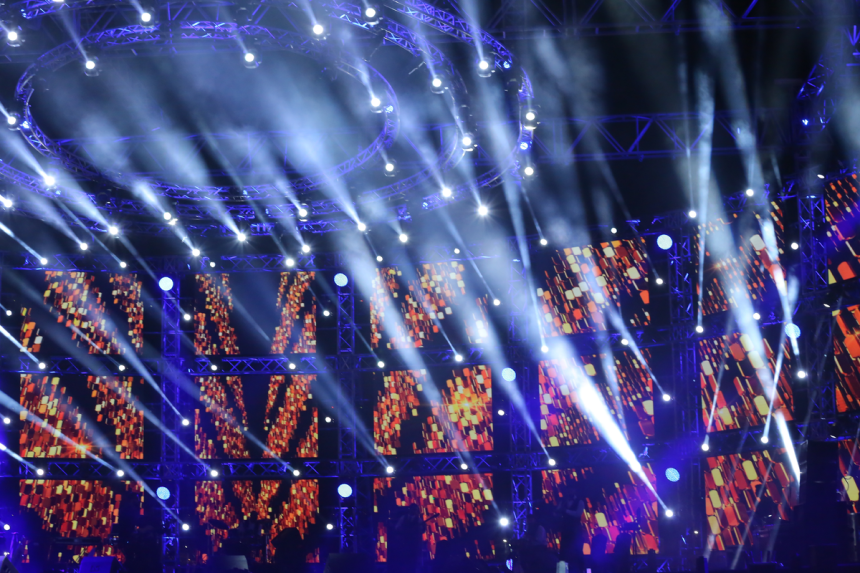
New Order stands as one of the most influential bands in modern music history, blending post-punk grit with electronic innovation to create timeless dance tracks. Formed in the late 1970s from the ashes of Joy Division, **New Order** quickly became synonymous with Manchester’s vibrant music scene. For young fans in North America, their music offers a perfect entry into the 80s and 90s alternative culture, fueling late-night drives, festival sets, and viral TikTok edits. Their unique sound and cultural impact resonate deeply, making their legacy both significant and relatable.
- The Enduring Sound of New Order
- Generational Connections
- Iconic Tracks and Defining Albums
- Why North American Audiences Connect
- Curated Listening Experiences
- A Cultural and Musical Journey
- North American Milestones
- New Order in Modern Pop Culture
- Why New Order Stands Apart
- Essential Guide for New Fans
- Impactful Lessons for Youth Culture
The Enduring Sound of New Order
What makes New Order endure? It’s their remarkable ability to craft emotional depth within upbeat rhythms. Hits like ‘Blue Monday’ didn’t just dominate the UK charts; they infiltrated American college radio and early MTV, laying the groundwork for electronic dance music’s rise. The song’s influence is substantiated by its status as the best-selling 12-inch single of all time, with over a million copies sold worldwide. Today, streams on platforms like Spotify and Apple Music spike whenever retro playlists trend, proving their relevance to Gen Z discovering analog synth sounds amid a digital overload.
Picture this: a packed warehouse party in Brooklyn or a Toronto loft rave where New Order’s pulsing basslines cut through the air, instantly transporting the crowds. That’s the power of their catalog—songs that feel both nostalgic and fresh, perfectly suited for North American nightlife where indie electronic vibes thrive.
Generational Connections
New Order’s relevance persists because their music effectively bridges generational gaps. Their tracks offer substance in an era characterized by fleeting TikTok hits. The themes of love, loss, and longing expertly woven into their lyrics resonate deeply, particularly with young adults navigating the complexities of social media. Their ability to project feelings of isolation amidst the exhilaration of crowd life becomes even more poignant when you consider today’s landscape of social media fatigue.
The band’s evolution from Joy Division’s darker tones to New Order’s vibrant dance-floor energy reflects major cultural shifts. The intersection of post-punk’s raw emotion with New Wave’s refinement has influenced a wide array of contemporary artists, from The Killers to LCD Soundsystem. This has led to New Order soundtracking road trips from LA to NYC, where their iconic synths pair brilliantly with both vast highways and urban energy.
The Manchester Legacy in Modern Playlists
Founded in Manchester’s Factory Records scene, New Order’s influence transcended borders, reaching a global audience. In North America, their music permeates festivals like Coachella and Lollapalooza, where modern acts frequently cite their inspiration. New Order’s adaptability—ranging from club remixes to reflections for chill sessions—keeps their music alive and integral in everyday life.
Emotional Hooks and Cultural Resonance
The emotional hooks embedded in New Order’s lyrics create a lasting addiction for listeners. Fans showcase edits on Instagram Reels, sparking conversations and connections across various cities in the U.S. This generational resonance continues to drive interest in their catalog, solidifying their role as both nostalgic and contemporary figures in music.
Iconic Tracks and Defining Albums
New Order’s defining moments prominently feature tracks like ‘Blue Monday.’ Clocking in at over seven minutes, its iconic bass riff and stark lyrics established it as a staple of the dance music genre. ‘Bizarre Love Triangle,’ a 1986 gem featuring shimmering synths, perfectly encapsulates the confusion of young romance, making it a favorite for angst-ridden love stories.
Albums like *Power, Corruption & Lies* (1983) solidified their decisive shift into electronic music, packing hits such as ‘Age of Consent.’ Following that, *Technique* (1989) incorporated Ibiza’s house influences, with tracks like ‘Fine Time’ epitomizing acid-house euphoria. These records are not merely relics; they serve as blueprints for the ongoing evolution of indie dance music.
Key moments of the band’s lifecycle include surviving the tragedy of Joy Division, pioneering electronic production, and a plethora of remixes. Peter Hook’s legendary basslines not only contributed to New Order’s success but gave rise to side projects like Monaco’s ‘What Do You Want From Me?,’ echoing the band’s pop sensibility beyond their primary discography.
What to Listen To as a New Fan
- ‘Blue Monday’: The ultimate club starter.
- ‘True Faith’: A quintessential example of melodic perfection.
- ‘Regret’: Peaks of 90s nostalgia encapsulated in sound.
Deep Cuts and Hidden Gems
Tracks like ‘Temptation,’ found in early singles, showcase New Order’s raw energy, while *Republic* (1993)’s ‘Ruined in a Day’ offers mature reflections that resonate with listeners today.
Why North American Audiences Connect
For 18-29-year-olds in the U.S. and Canada, New Order matters because their sound embodies modern subcultures. Think warehouse raves in Chicago or the thriving electronic scene in Vancouver—New Order’s influence is nuanced yet pervasive. Their tracks power the playlists that fuel connections, whether ‘Blue Monday’ reverberates through NYC gyms or LA studios.
Their initial breakthrough in the U.S. came via college radio in the 80s, fostering a loyal fanbase that evolved into a fervent festival hype and an active social media presence today. TikTok challenges featuring songs like ‘Bizarre Love Triangle’ frequently go viral, driving not only streams but also renewed vinyl sales at stores like Urban Outfitters.
Live Culture and Community
Although not tied to specific events, New Order’s legacy continues to fuel North American electronic festivals, where similar sounds dominate lineups. Their music acts as a social glue, bringing fans together to celebrate shared experiences and communal raves across North America.
Curated Listening Experiences
For those eager to delve deeper, starting with Spotify’s New Order Radio provides a curated selection of their best work. Watching the *Substance* compilation documentary is a must—featuring raw Haçienda club footage, it captures the electric energy of the 80s. Following key figures like Peter Hook and Bernard Sumner allows fans to explore extensions of the sound and experience their musical journeys further.
Next, listeners should dive into *Low-Life* (1985) for tracks like ‘Love Vigilantes,’ a fascinating blend of folk and electronic elements. Pair this with contemporaries like the Pet Shop Boys for added context and insight into their artistic milieu.
Playlist Recommendations
Consider building your own intertwined playlist, mixing tracks like ‘Everything’s Gone Green’ with modern acts like The 1975, who openly admire New Order’s influence in their music.
Visual Insights and Learning
YouTube’s archives of New Order’s live performances from their 80s U.S. tours offer essential viewing, capturing the atmosphere of electric crowds and an era of sonic experimentation.
Diving into New Order’s catalog provides endless opportunities for discovering music that evolves with the listener’s life stages. Their production techniques—pioneering the use of sequencers—have left a profound influence on modern music production, impacting young producers creating hybrid genres in cities like Miami or Seattle.
Style and Fashion Legacy
New Order’s influence on fashion is equally significant, shaping rave attire with a legacy of baggy pants and bold prints that have been revived in North American thrift stores. Additionally, their soundtracks in films such as the *Trainspotting* sequels and various advertisements ensure that their music remains ever-present in pop culture.
A Cultural and Musical Journey
The transition from Joy Division to New Order in 1980 represents a fascinating evolution in music. Ian Curtis’s tragic passing left a void, brilliantly filled by Gillian Gilbert’s synth melodies. Early singles like ‘Ceremony’ acted as a bridge between guitar-driven fury and electronic pulse, marking an innovative approach to songwriting.
By the mid-80s, the rise of Factory Records’ Haçienda club positioned New Order as cultural icons. U.S. tours beginning in 1984 opened new avenues for exposure, solidifying their appeal across the Atlantic. The challenges they faced—such as lineup changes, including Peter Hook’s departure in 2007—have not diminished their resilience; instead, albums like *Waiting for the Sirens’ Call* (2005) demonstrated their ability to adapt and innovate.
Spotlight on Key Personnel
Bernard Sumner, the band’s vocalist and guitarist, delivers emotions through his haunting melodies, while Stephen Morris brings a precise, mechanical groove to each track. Gillian Gilbert’s mastery of synthesis adds a melodic heart that complements the band’s intricate soundscape.
North American Milestones
New Order’s first U.S. show at NYC’s Ritz in 1981 marked a pivotal moment in their career. By 1985, during the *Low-Life* tour, they had amassed a loyal following, packaging their music for massive venues throughout the country. Their single ‘Bizarre Love Triangle’ even made waves on the Billboard Dance charts, a rare feat for UK acts at the time.
Today, the revival of vinyl reissues at stores like Amoeba Records reflects their enduring popularity, with festivals such as Pitchfork showcasing tribute acts that honor their legacy.
Understanding Streaming Trends
Current streaming statistics highlight that a significant portion of New Order’s monthly listeners come from the U.S. Public charts indicate their notable presence in playlists like ‘Indie 505,’ further solidifying their status in the streaming age.
New Order in Modern Pop Culture
Their sound has permeated various genres, as evidenced by samples appearing in hip-hop and pop music. Artists like Brandon Flowers from The Killers openly admit their admiration for New Order, and contemporary bands, including the Arctic Monkeys, often cover their tracks during live performances.
For young fans, this creates a fascinating connective tissue linking current musical stars to the prolific sounds of the past. Watching performances on platforms like The Tonight Show or Saturday Night Live that reference 80s synthwave underscores New Order’s enduring relevance.
Embracing the Remix Culture
The official remixes by contemporary artists like the Chemical Brothers update New Order classics for today’s clubs, while fan edits flood platforms like SoundCloud. Their DIY ethos inspires bedroom producers to explore new realms of creativity in urban environments.
Why New Order Stands Apart
Unlike many pure synth-pop acts, New Order retained an underlying punk edge that lends depth to their music. The emotional resonance found in their lyrics elevates them beyond one-dimensional dance tracks, offering listeners a rich tapestry of experiences. Their versatility allows for acoustic versions that reveal intricate songcraft capabilities, alongside electrifying tracks that spark energy.
Masterclass in Genre Fusion
By merging post-punk energy with disco and house elements, New Order crafted a timeless hybrid that continues to influence modern acts, from ODESZA to Disclosure. North American audiences have greatly benefited from their sound, which often dominates electronic stages at major festivals like EDC or Bonnaroo, leaving a lasting impact on contemporary music.
Essential Guide for New Fans
For those just venturing into New Order’s world, starting with the *Substance* compilation album acts as a perfect entry point. For live experience, the album *A Collection of the Very Best* encapsulates their hits. Avoid bootlegs, as official releases shine with quality and content.
Books like *Chapter and Verse*, a captivating memoir detailing their origins, enhance the understanding of their artistry. Podcasts like *Song Exploder* allow an in-depth analysis of specific tracks, illuminating New Order’s creative process and influence.
Collectibles and Community
For dedicated fans, hunting down original pressings of ‘Blue Monday’ sleeves marks an exciting endeavor, as these items stand as iconic symbols of the era. Online communities, especially on platforms like Reddit (e.g., r/NewOrder), offer spaces for discussion and trading memorabilia.
Impactful Lessons for Youth Culture
New Order has imparted crucial lessons about emotional expression through dance music. For many 18 to 29-year-olds, their music acts as a therapeutic release. Amid conversations about mental health, lyrics like ‘How does it feel/To treat me like you do?’ resonate intensely, creating pathways of connection and understanding.
The viral nature of social media amplifies their music, turning challenges into platforms for discovery and driving the rise of superfans over time.
A Future-Ready Sound
Synth sounds age gracefully in today’s lo-fi trends, hinting that more collaborations with emerging artists are likely on the horizon.
In essence, **New Order** isn’t confined to the past—they are essential to playlists that are shaping the way North Americans are experiencing music today. Immerse yourself in their enduring groove and unearth a treasure trove of musical history that is as dynamic as it is influential.