Revolutionizing Resuscitation Training: The Launch of Self-Guided Learning
Introduction to Self-Guided Learning
On March 4, 2026, the American Heart Association (AHA) and Laerdal Medical announced a groundbreaking initiative aimed at transforming resuscitation training—the Self-Guided Learning™ model. This innovative approach allows health care professionals, workplace safety personnel, and emergency responders to complete essential resuscitation training, namely HeartCode® Complete, at their convenience. With demanding schedules and limited access to in-person instruction often hindering traditional training, Self-Guided Learning emerges as a much-needed solution.
- Introduction to Self-Guided Learning
- The Need for Flexible Training
- What is Self-Guided Learning?
- Meeting Global Standards
- Expanding Training Options
- Statements from Leaders
- Ideal Audiences for Self-Guided Learning
- Accessibility Across the Nation
- Additional Resources for Training
- About the Organizations
- Media Inquiries
The Need for Flexible Training
Every year, millions are required to undergo credentialed resuscitation training to ensure that they can act effectively in emergencies. However, balancing work duties, family commitments, and continuing education has proven challenging for many in high-pressure roles. The AHA and Laerdal recognized this pressing need and set out to create a versatile model that allows learners to progress at their own pace and choose the location that best suits their schedule.
What is Self-Guided Learning?
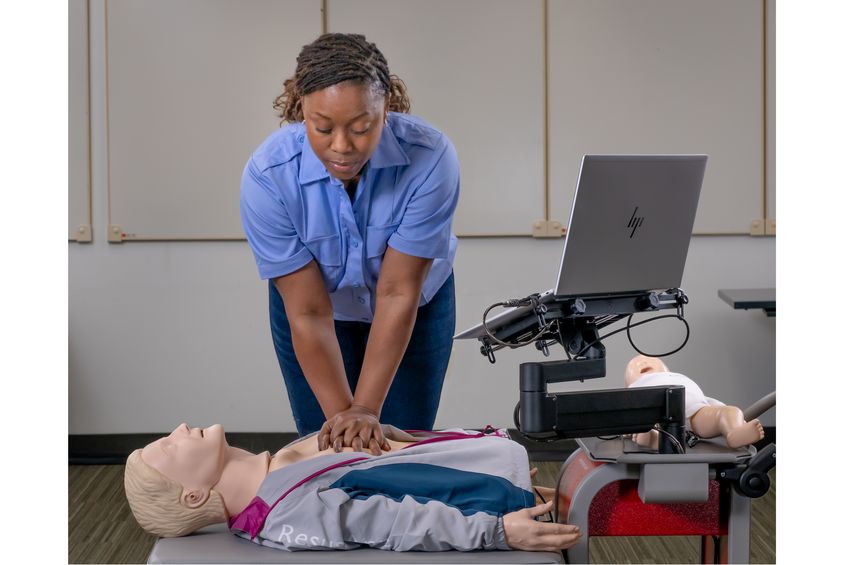
Self-Guided Learning is an independent training format comprised of two key components: a self-paced online module and a hands-on skills verification session. The online portion can be accessed from any compatible device, enabling users to study when it best fits their lives. Once they complete the online coursework, learners can visit a CPR Verification Station™ to engage in the practical aspects of the training.
These stations utilize advanced simulation technology, offering real-time audio and visual feedback to ensure learners can validate their skills without needing an instructor present. This not only optimizes the training experience but also promotes confidence among participants in their ability to perform lifesaving techniques when necessary.
Meeting Global Standards
The American Heart Association is the pioneer in creating resuscitation scientific guidelines, which serve as foundational references for CPR and First Aid training programs across the United States and many other countries. The collaboration with Laerdal enhances the quality of education provided in the health care market and local communities, harnessing over 20 years of shared expertise in developing comprehensive training solutions.
Expanding Training Options
The introduction of Self-Guided Learning adds to the existing array of training methods available through the AHA, which includes instructor-led sessions and blended learning models. Each of these options offers courses in Basic Life Support (BLS), Advanced Cardiac Life Support (ACLS), and Pediatric Advanced Life Support (PALS), catering to diverse learning preferences. After fulfilling all necessary course requirements, participants receive an American Heart Association Course Completion eCard, symbolizing their accomplishment and readiness to act in emergencies.
Statements from Leaders
John Meiners, the AHA’s chief of Mission Aligned Businesses, emphasized the initiative’s significance by stating, “By expanding training options across the full spectrum, from instructor-led to self-guided learning, we are removing barriers to access while maintaining the science, skills validation, and standards the American Heart Association is known for.” This commitment to improving accessibility is a vital step toward achieving the AHA’s goal of doubling cardiac arrest survival rates by 2030.
Alf-Christian Dybdahl, CEO of Laerdal Medical, echoed this sentiment, highlighting the ideal nature of Self-Guided Learning for individuals seeking flexible training solutions. This new model embodies the ongoing collaboration between the two organizations, reflecting their mutual mission to reimagine resuscitation education.
Ideal Audiences for Self-Guided Learning
The Self-Guided Learning model caters specifically to several audiences:
- Health Care Professionals and Students: Those in demanding schedules who prefer self-paced, independent learning formats.
- Allied Health Care Providers: Individuals seeking to enhance their skills and qualifications.
- Remote and Rural Health Care Staff: Learners who may have limited access to in-person training resources.
- Emergency Medical Services Professionals: Individuals needing to stay up-to-date with CPR and emergency response techniques.
- Initial or Renewal Learners: Anyone requiring certification through the American Heart Association.
Accessibility Across the Nation
As of March 2026, Self-Guided Learning and CPR Verification Stations are active in 47 states, with plans for nationwide coverage soon. Individuals can easily locate the nearest learning centers through the CPR Finder™ platform, entering their ZIP code to identify available resources. This user-friendly approach ensures that anyone needing training can find suitable options within their community.
Additional Resources for Training
For those interested in exploring further:
- Multimedia resources explaining Self-Guided Learning can be found on the AHA’s newsroom.
- Comprehensive details on available courses and learning locations are available through CPRFinder.com.
- Those seeking traditional instructor-led training can visit cpr.heart.org.
- Information on digital CPR training programs can be accessed through rqipartners.com, the partnership platform for the AHA and Laerdal.
About the Organizations
The American Heart Association is a long-standing leader in health advocacy, dedicated to ensuring equitable health access across communities. With a history of over a century, the AHA has become synonymous with quality health information, research funding, and public health advocacy.
Laerdal Medical is equally committed to saving lives through innovative healthcare education and resuscitation training. Utilizing immersive technologies, Laerdal focuses on improving the quality of care, with an ambitious goal to save one million more lives each year by 2030.
Media Inquiries
For more details, media representatives can reach out to:
- American Heart Association: Sarah D. Williams at 214-706-1156 or via email.
- Laerdal Medical: Inger Johanne Stenberg at 479-059-5829 or via email.
This initiative marks an important moment in the evolution of CPR training, combining advanced technology, flexibility, and accessibility to prepare more individuals to save lives in critical moments.