Exploring the Multifaceted World of Black Music and Dance: Nia’s Vision
The Essence of Diversity in Black Music
Reflecting on the rich tapestry of Black music, Nia passionately asserts, “Black music isn’t just one thing and Black people aren’t just one thing.” This statement is rooted in the understanding that the myriad of cultural influences and genres within the Black music community cannot be reduced to a single narrative. Dance music stands out as one of the most significant genres globally, revealing layers of history, culture, and tradition that deserve recognition and celebration.
Nia’s Commitment to Jungle Music
In 2021, Nia took a significant step in her musical journey by founding Up Ya Archives, a party series and label grounded in the exhilarating genre of jungle music. The initiative aims to connect the often underappreciated underground dance music scene with mainstream audiences, offering a platform for emerging talent. By prioritizing young artists through single-release deals and carefully curated club-night bills, Nia is dedicated to fostering a pipeline that amplifies diverse voices within the industry.
She states, “Music is plagued with a lot of privileged people and it’s nice to see artists doing well that maybe otherwise wouldn’t get that leg up.” This sentiment echoes a broader movement within the music industry, advocating for equitable opportunities and recognition for artists who may be overlooked.
Expanding Beyond Genre Boundaries
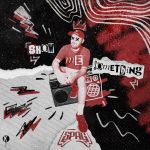
With her roots deeply embedded in jungle music, Nia is now branching into new sonic territories with her upcoming album, Emotional Junglist. This album showcases her artistic evolution—embracing smoother, punkier, and pop-inflected sounds while maintaining an underground aesthetic. Many artists face resistance when they navigate beyond their established genres, and Nia is no exception.
When asked whether she is concerned about how jungle fans might react to the album’s deviations, her response is emphatic: “This is an alternative record. It’s not a jungle record.” Her confidence is reflective of a broader artistic ethos: innovation should not be stifled by tradition. Instead of churning out the same track repeatedly, she views genre exploration as an opportunity for growth and creativity.
The Artist’s Freedom to Experiment
Nia’s approach to music creation is refreshingly liberated. She believes that artists should not be confined by the expectations of any specific scene, and she humorously acknowledges that some fans might be displeased with her genre exploration. Nonetheless, she remains unapologetic in her quest for artistic authenticity. “I think it’s fun to explore jungle and not just make the same song 15 times in a row,” she asserts, highlighting a commitment to pushing the boundaries of her sound.
This insistence on innovation sets Nia apart in a landscape where many artists shy away from taking risks, often repeating formulas that have been proven successful. By daring to tread into uncharted musical waters, she is not only carving out her unique artistic identity but also contributing to the broader narrative that celebrates the rich diversity inherent in Black music.
Challenges and Future Aspirations
Navigating the intersection of underground culture and mainstream appeal comes with its challenges. Nia is keenly aware that breaking into the mainstream often requires a balancing act—growing commercially without compromising the integrity that defines the underground scene. By nurturing emerging artists through her label, she seeks to strike that balance, ensuring that authenticity remains at the forefront of this endeavor.
Her work is more than just personal ambition; it’s a mission to uplift others and advocate for diversity within the music industry. In an era where the necessity for musical inclusivity is increasingly recognized, Nia stands as both an agent of change and a beacon of inspiration for aspiring artists.
In a world where music genres often intersect and evolve, Nia’s journey serves as a reminder that exploration and self-expression are crucial in shaping the future landscape of Black music and beyond. The dynamism she embodies reflects an ongoing dialogue about identity, culture, and the transformative power of music in uniting diverse communities.