The Rise of Group Therapy: A New Wave in Lagos Nightlife
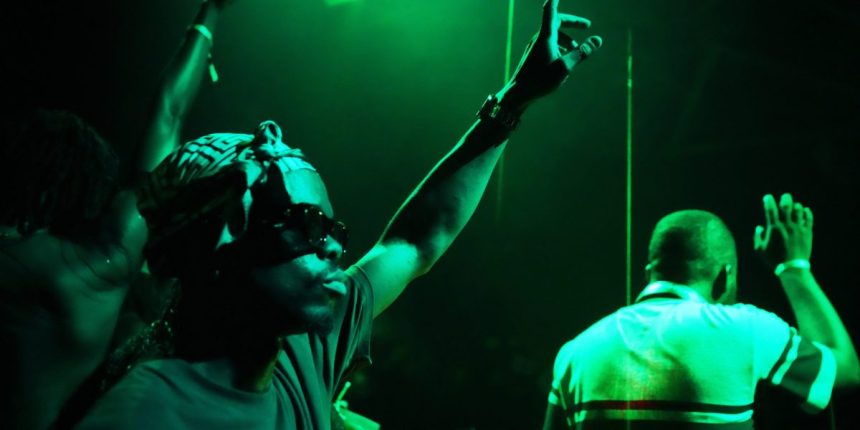
On a recent Friday night, a palpable energy pulsed through a packed auditorium in Lekki, an upscale district of Lagos, Nigeria. Thousands of mostly young people filled the space, a sea of bodies swaying in a darkened room illuminated sporadically by flashing green strobe lights from the stage. It was a different kind of gathering—one that defied the traditional, elitist club culture of the city. This was Group Therapy, a rave that has become a staple in Lagos nightlife, offering a sense of community and liberation.
A Shift in Nightlife Culture
For decades, Lagos’ nightlife has been defined by a table culture that prioritizes wealth and status. High-priced drinks and reserved seating create a competitive atmosphere among partygoers, often disenfranchising many who cannot afford the expensive entry fees and exorbitant drink prices. Attendees frequently feel more like spectators than participants, as the focus shifts to those willing to spend the most.
DJ Aniko, the founder of Group Therapy, expresses a profound frustration with this model. “At raves, the dance floor is present,” he told The Associated Press. “Most places you have to make a reservation or book a table; it is a lot more complicated.” At Group Therapy, however, there are no tables, only a lively dance floor where attendees can lose themselves in the music without the burden of social status or financial competition.
Affordable Access to Joy
One of the most compelling aspects of Group Therapy is its accessibility. While a single bottle of drink at a traditional Lagos club can cost between 100,000 naira (around $72) and nearly a million naira, revelers at Group Therapy pay a mere 21,000 naira ($15) for entry, with affordable drinks available at a single small bar. This pricing model democratizes the experience, allowing a diverse group of people to come together.
Yetunde Onikoyi, a 28-year-old who has been attending raves since last year, describes the allure simply: “I’m hooked, it’s like a chokehold. I always want to be here.” This sentiment is echoed by many young attendees who seek refuge from the financial pressures and social competitiveness of the traditional nightlife scene.
A Gathering of the Like-Minded
Experts note that the rise of raves like Group Therapy is a direct response to the restrictive and often exclusionary nature of table culture. “Raves are more democratic,” commented Oluwamayowa Idowu, founder of the culture publication Culture Custodian. “People don’t have the purchasing power to sustain a club lifestyle.” In contrast, raves prioritize enjoyment over social posturing, fostering a more inclusive environment where people can truly let loose.
Dayo Williams, a consultant at the event, remarked, “Finding a place that focuses on the human aspects, as against the materialism, is always a blessing.” This shift has resonated deeply with the younger generation, who often feel trapped by the expectations imposed by a conservative society.
The Rhythm of Connection
As the night wore on, the energy in the hall surged with the beats of house music—a genre that has found a unique flavor in Lagos since the post-pandemic resurgence of South African musical influences. DJs played high-tempo tracks that kept the crowd moving, bodies swaying in unison to the pulsating rhythm. The music acted as a collective language, binding attendees together in shared emotional experiences.
Zia Yusuf, a content writer in attendance, perfectly encapsulated this connection: “House music evokes feelings. You just connect to the music, and you connect with other people who connect to the music with you.” This sentiment reflects a greater cultural trend in Lagos, as younger people push against societal norms and embrace the freedom that raves provide.
Choosing Music Over Market Forces
Aniko is intentional about the music played at Group Therapy, striving to maintain an authentic experience devoid of mainstream pressures. By focusing on house music instead of relying on popular artists who might overshadow the collective atmosphere, Group Therapy allows for a more creative and engaging environment. “Once you are reliant on the mainstream industry for the music, the mainstream creeps into the space,” Aniko explained.
This commitment to authenticity stands as a significant factor in why raves are thriving in Lagos. While clubs remain plentiful, many have started to focus on creating experiences that resonate more deeply with patrons, reinforcing the increasing popularity of inclusive celebrations free from the constraints of wealth and privilege.
The Future of Nightlife in Lagos
As nightlife in Lagos continues to evolve, Group Therapy exemplifies a significant shift in how young people are redefining their party experience. Raves have emerged not merely as a fun alternative but as a community-driven response to the challenges and pressures of contemporary life in Nigeria’s bustling economic landscape. The scene at Group Therapy is a testament to resilience and the enduring human desire for connection, joy, and freedom, all articulated through the universal language of music.