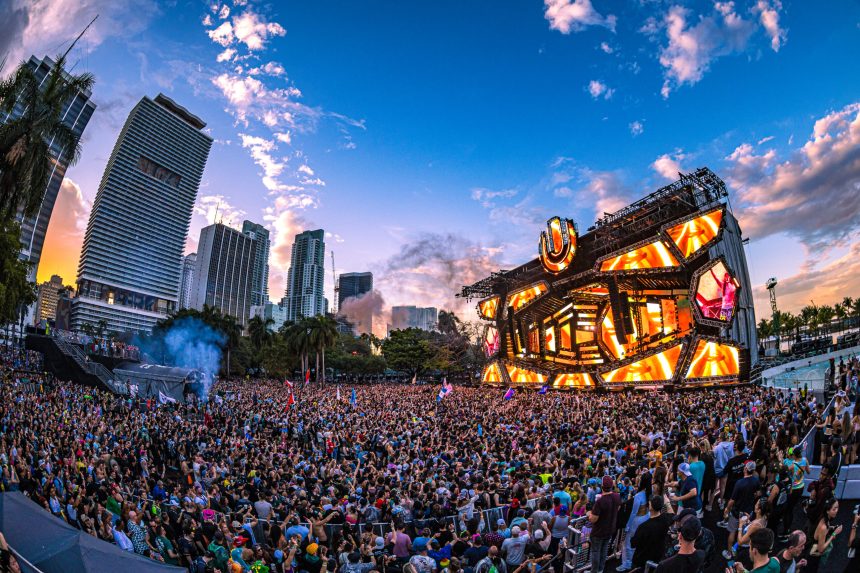
Miami’s Ongoing Struggle with Ultra Music Festival
Miami has long been a city renowned for its vibrant nightlife and dynamic music scene, but it is no stranger to conflict—especially when it comes to one of its hallmark events: the Ultra Music Festival. Recently, this tension reached a new level, marking an important chapter in the ongoing saga between the festival and local residents.
The Lawsuit and Its Claims
Just one day after the city commission renewed Ultra’s lease at Bayfront Park, a group of concerned downtown residents filed a lawsuit against the festival. Their primary accusation? That Ultra has allegedly failed to maintain compliance with a set of regulations previously agreed upon. The lawsuit particularly emphasizes noise levels, claiming that the festival has exceeded the city’s 95-decibel limit in recent years. Residents describe the decibel levels during the event as “overwhelming,” disrupting their daily lives.
This situation isn’t merely about noise; it’s about the evolving landscape of downtown Miami. As the area has transitioned from a commercial hub to a more residential neighborhood, tensions have flared. The relentless sound of bass-heavy music has become a source of frustration for many who once embraced Miami’s energetic vibe.
Ultra Music Festival: An International Icon
Despite the complaints, it’s critical to recognize that Ultra Music Festival is not just another event. Founded over 20 years ago, it has grown into one of the most celebrated electronic music festivals globally, attracting approximately 165,000 fans over three days. Featuring big names in dance music, Ultra is viewed not only as a standalone festival but also as the crown jewel of Miami Music Week—a week-long celebration that highlights the city’s importance in the electronic music community.
The Economic Argument
The economic impact of Ultra cannot be overstated. The festival brings millions to Miami’s local economy each year. With hotels selling out and venues across the city filled to capacity, it supports countless jobs. The festival’s presence is a vital component for many businesses that count on the influx of visitors during this high-energy week.
For many local stakeholders, preserving the festival is not just about music; it represents a significant source of revenue and cultural prestige. This economic perspective often complicates the community’s complaints: how do you balance resident comfort with the financial benefits of such a large-scale event?
A History of Noise Complaints
Noise complaints are far from new. They have dogged Ultra for years, particularly as downtown Miami has become increasingly residential. Many residents argue that the continual sound pollution disrupts their home life, leading to grievances that resonate during city commission meetings and community forums. However, Ultra’s organizers emphasize their commitment to sound management, maintaining that they utilize sound monitoring systems to ensure compliance with city regulations.
Details surrounding Ultra’s sound management efforts indicate that organizers actively monitor decibel levels at various stages and nearby buildings during the festival. This dedication to adherence is part of what Ultra claims distinguishes it as a responsible event organizer in a bustling urban environment.
Ultra’s Response to Legal Challenges
When approached for comments about the lawsuit, Ultra Music Festival responded with a statement underscoring its commitment to compliance and community engagement. They asserted, “Ultra will vigorously defend against this lawsuit… we’ve complied with all applicable requirements.” This strong defense highlights their ongoing efforts to work with residents, including participation in community meetings and continuous dialogue with city officials.
Ultra insists they have taken numerous steps to engage with local stakeholders and address concerns, claiming to operate within the frameworks established by the city. Their response also points toward a desire to continue what they describe as a “long-standing partnership” with Miami, emphasizing the cultural significance of the festival to the city’s identity.
The Cultural Impact of Ultra Music Festival
As the festival moves forward amidst legal challenges, it continues to symbolize the vibrant culture of Miami. However, with an evolving urban landscape and an increasingly vocal resident demographic, the relationship between the festival and local community residents is continually tested.
Ultra Music Festival encapsulates a growing conversation about how cities like Miami can balance the excitement of nightlife culture with the needs and tranquillity of its residents. As the festival season approaches, the dialogue is far from over; it remains to be seen how Miami will navigate these competing interests. As the beats play on, the challenges of coexistence linger, echoing the city’s unique duality as a nightlife capital and a living community.