The Evolution of Detroit’s Electronic Music Scene
Detroit, celebrated as the birthplace of techno music, has a vibrant, storied nightlife that thrives on its electronic music culture. With events like the Movement Electronic Music Festival drawing tens of thousands to the city, it is clear that Detroit has firmly established itself as a global hub for electronic music enthusiasts.
The Roots of Techno in Detroit
In the mid-1980s, techno music emerged from Detroit’s industrial landscape, pioneered by artists like Juan Atkins, Derrick May, and Kevin Saunderson, often referred to as the “Belleville Three.” This innovative genre was born from the confluence of European electronic beats and American funk, which quickly gained traction in underground clubs throughout the city. Over the years, Detroit’s techno scene has matured, giving rise to numerous festivals, events, and globally recognized DJs.
Movement Electronic Music Festival: A Celebration of Culture
Every Memorial Day weekend, the Movement Festival transforms Hart Plaza into a vibrant celebration of electronic music. This year, the festival aims to build on its legacy by hosting a diverse lineup of performers and artists from across the globe. According to recent figures, the festival attracted over 90,000 attendees in 2024, providing a significant boost to local businesses and venues.
Festivals as Economic Catalysts
The economic importance of the Movement Festival cannot be overstated. Local venues, cafes, and restaurants can earn a substantial portion of their annual revenue during this three-day celebration. Nightclubs and music venues in the surrounding areas report that they rely heavily on the influx of festival-goers for their financial stability throughout the year. This weekend alone provides many businesses a lifeline, allowing them to engage with new customers and showcase local talent.
The Lincoln Factory Incident: A Setback for Nightlife
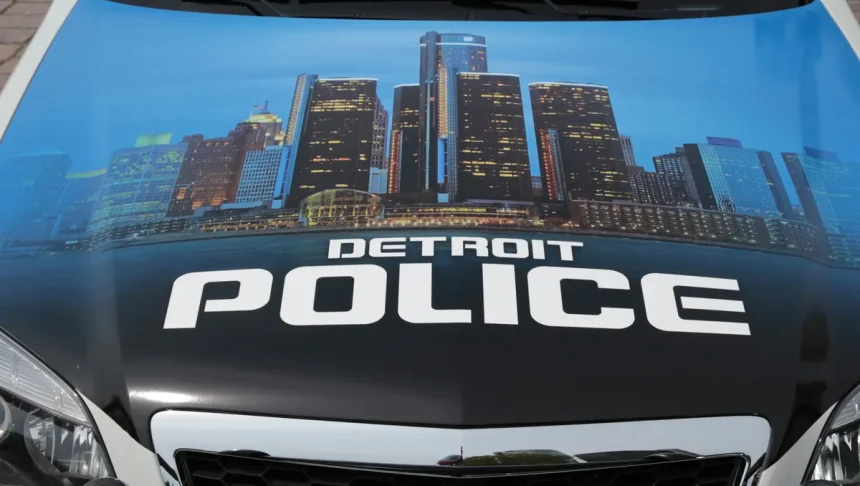
Unfortunately, the festival weekend was marred by a setback when Detroit police shut down the Lincoln Factory, one of the city’s largest dance clubs, for operating without the proper licenses. Officers cited the lack of a valid business license and the inability to sell alcohol past 2 a.m. This occurrence raised alarm about the regulatory landscape for nightlife establishments, especially those thriving under the pressure of a major festival.
Community Reactions and Speculations
In the wake of the shutdown, discussions sparked on social media platforms like Reddit, with festival-goers expressing concern about the implications for afterparties and the general atmosphere of the weekend. The closure not only affected the club’s scheduled multi-stage DJ events but also cast a shadow over the community’s ability to celebrate and enjoy the music scene they hold dear.
Support for Arts and Culture
This incident comes at a time when the newly elected Mayor, Mary Sheffield, is focusing on bolstering Detroit’s arts and culture through initiatives like the new Office of Arts, Culture, and Entertainment. Recently declaring the week of May 18–25 as “Detroit Techno Week,” Sheffield aims to highlight the city as a center for arts and music, advocating for support of legal nightclubs while emphasizing enforcement against those operating outside the law.
Ongoing Challenges and Regulation
The narrative of enforcement against nightclubs in Detroit is not new. In 2018, former Mayor Mike Duggan’s administration faced backlash over a series of shutdowns aimed at unsanctioned clubs. This historical context highlights an ongoing tension between law enforcement and the nightlife community. While safety and regulation are essential, the perception that the city is approaching its music scene as a nuisance rather than an economic driver creates friction among stakeholders.
A Unique Cultural Identity
As Detroit continues to innovate and adapt, the future of its nightlife and electronic music scene remains dynamic and resilient. The community’s response to recent developments may ultimately help shape policies that promote a thriving environment for artists and venues alike. Understanding and addressing the complexities of regulations while fostering creativity will be essential for the continued growth of Detroit’s vibrant music culture.
Each event, each gathering, and every beat played resonates with the city’s rich heritage, making Detroit not just a city of music, but a living testament to the power of community and culture in shaping the human experience.