
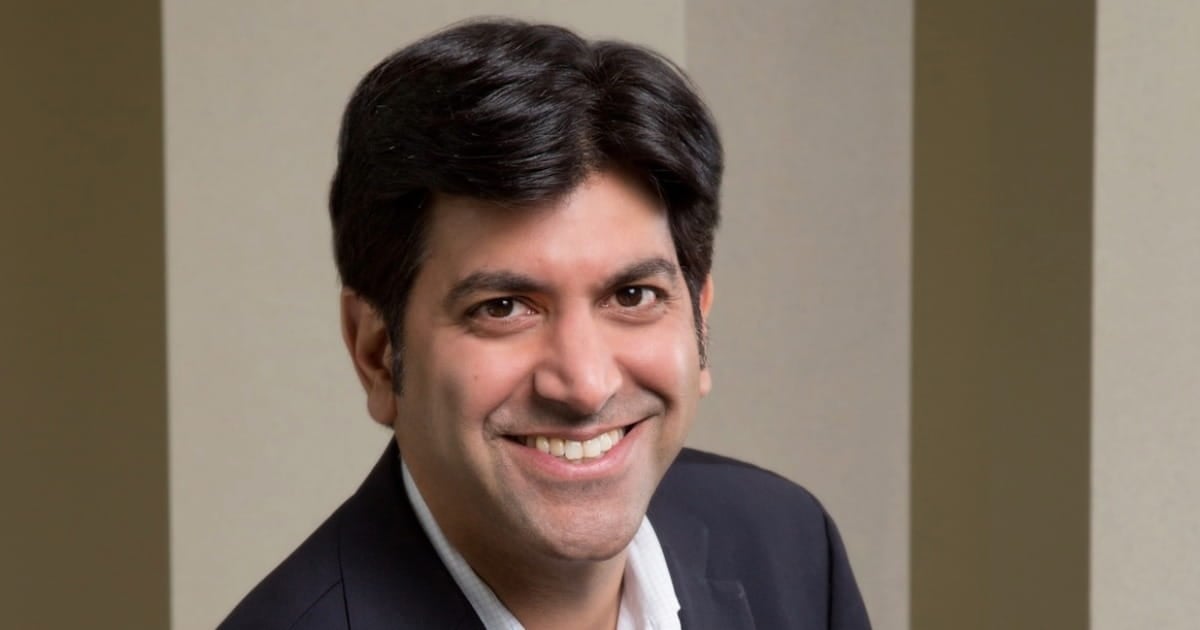
Exploring the Transformative Potential of AI in Healthcare: Insights from Aneesh Chopra
Introduction to Aneesh Chopra
Aneesh Chopra, the first Chief Technology Officer (CTO) of the United States, has witnessed firsthand the evolution of technology in governance and public health. A pioneer of innovation, Chopra’s current work focuses on optimizing healthcare through advanced technological solutions, particularly artificial intelligence (AI). His insights into AI panel discussions spotlight not only its promise but also its practical applications within the healthcare industry.
AI’s Impact on Healthcare Productivity
Chopra firmly believes that AI is on the brink of revolutionizing healthcare productivity. Leveraging AI tools can automate administrative tasks, streamline workflows, and enhance decision-making processes. For instance, AI algorithms can sift through enormous datasets to identify patterns that might escape the human eye. This capability can reduce the time doctors spend on paperwork and increase the time they dedicate to patient care.
By minimizing repetitive tasks—from appointment scheduling to insurance claim processing—AI can create a more efficient healthcare system. Chopra emphasizes that enhancing these operational efficiencies is vital, especially in a landscape where healthcare providers face increasing demand and dwindling resources.
Driving Drug Discovery with AI
One of the most exciting promises of AI lies in drug discovery. Traditional drug development processes can take over a decade and cost billions. However, AI can dramatically shorten this timeline. Chopra points to AI’s ability to analyze vast molecular databases, screen potential compounds, and predict which candidates are most likely to succeed in trials.
Innovations in machine learning algorithms allow for quicker hypothesis testing, potentially bringing lifesaving medications to market faster. AI-driven solutions also reduce the likelihood of costly late-stage failures by providing insights based on historical data and simulated outcomes. Chopra sees this synergy between AI and biomedical research as a critical advancement, particularly in a world where speed can mean the difference between life and death.
Advancing Value-Based Care
Chopra is a strong advocate for value-based care, which prioritizes patient outcomes over the volume of services rendered. AI can play a pivotal role in helping healthcare systems transition to this model. By analyzing data on patient populations, AI can uncover insights about treatment efficacy, enabling providers to tailor care plans that improve outcomes.
Furthermore, Chopra underscores the significance of predictive analytics in this context. AI can help anticipate patient needs, such as identifying those at risk of chronic conditions before symptoms surface. This proactive approach can lead to timely interventions, better management of health conditions, and ultimately, decreased hospital admissions.
Challenges and Considerations
While Chopra is optimistic about AI’s potential, he also acknowledges the challenges that come with its integration into healthcare. Concerns about data privacy, algorithmic bias, and the need for regulatory frameworks are pressing. The deployment of AI solutions must be coupled with robust governance and oversight to ensure ethical standards are met.
Moreover, Chopra advocates for the importance of stakeholder collaboration, involving healthcare providers, technology developers, and policymakers. Building a bridge between these sectors will facilitate the development of AI solutions that are not only innovative but also equitable and accessible.
The Future of AI in Healthcare
As technology continues to evolve, Chopra is encouraged by the strides being made in machine learning and data analytics. He urges stakeholders in the healthcare ecosystem to embrace AI wholeheartedly, seeing it as an opportunity to redefine patient care. With ongoing research and development, the potential for AI to transform healthcare remains immense.
Chopra’s perspective signifies not just hope but also a call to action for those involved in healthcare. He envisions a future where AI tools are seamlessly integrated, leading to a more effective, efficient, and equitable healthcare system for all.
This journey is far from over; it is just beginning. With thought leaders like Chopra at the forefront, the healthcare landscape stands on the brink of a technological renaissance, ushering in a new era defined by innovation, impact, and improved health outcomes.